At COP31, Pharmacists Make the Case for Taking Back Unused Medicines
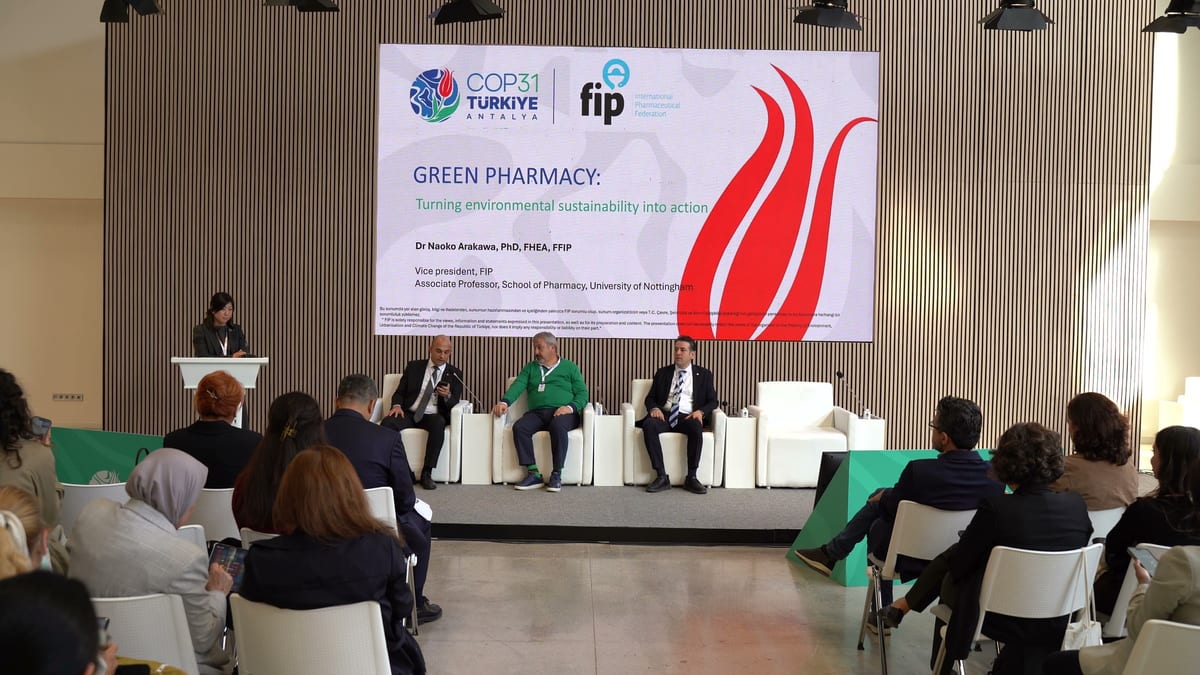
ANTALYA, Türkiye — Medicines escape into the environment when they are made, used and thrown away. At a COP31 session on Nov. 15, 2026, pharmacists made the case that the last step is one they can change: unused medicines belong back at the pharmacy, not in household trash.
A 2022 study in PNAS sampled rivers in 104 countries. At more than a quarter of the sites, at least one drug was above levels considered safe for aquatic life or high enough to raise concern about drug-resistant bacteria. The worst sites were in low- and middle-income countries, near poor waste treatment or drug factories.
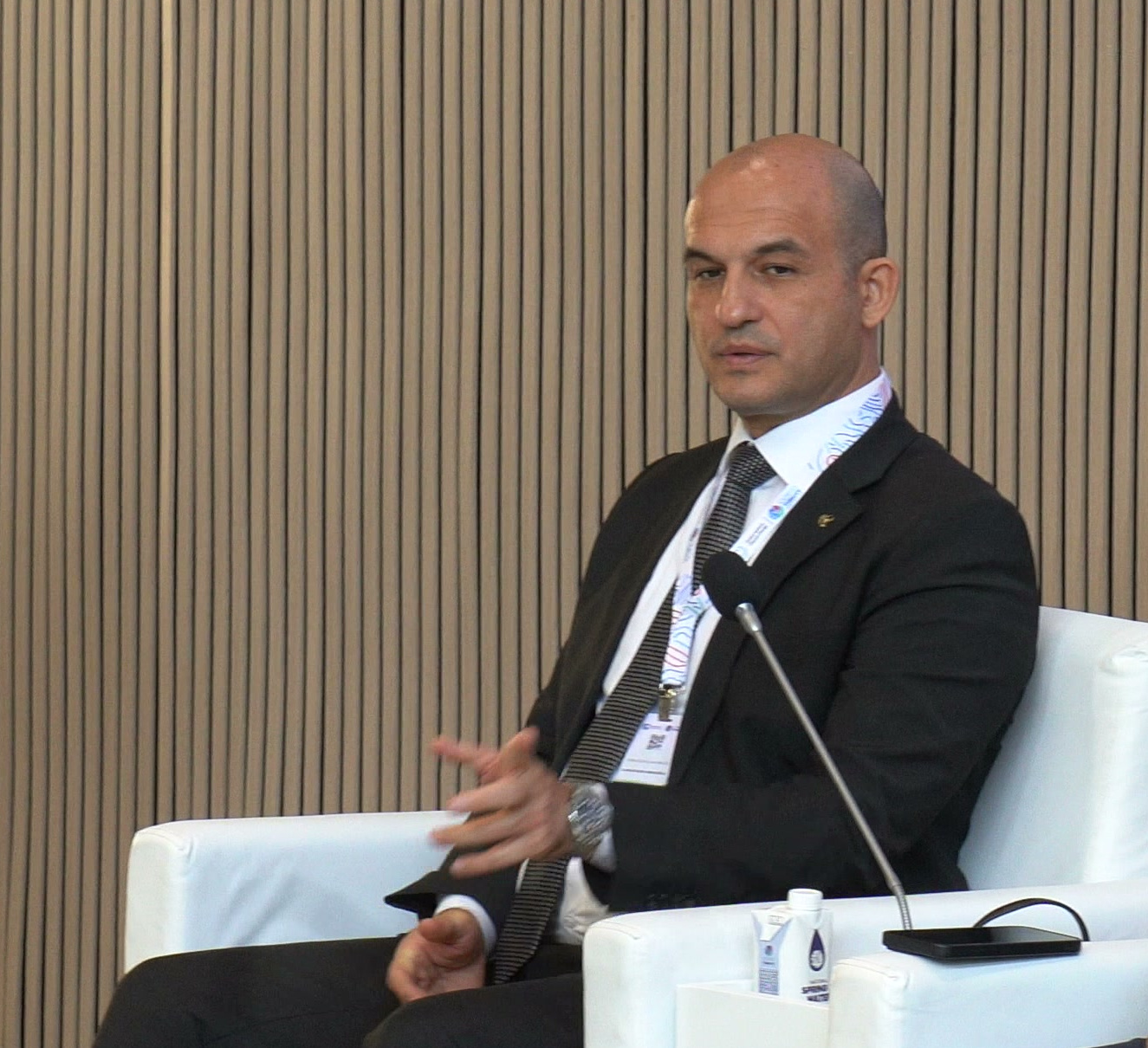
The session, in the COP31 Green Zone, presented the Ankara Chamber of Pharmacists' Green Pharmacy project; the International Pharmaceutical Federation (FIP) took part. The project is not new. In December 2023, chamber president Cumhur Cem Abbasoğlu, who moderated the session, told the Turkish daily Hürriyet that the chamber planned to grow a household waste-medicine collection program it ran with Ankara's metropolitan municipality into the Green Pharmacy model.
Naoko Arakawa, a vice president of FIP and an associate professor at the University of Nottingham's School of Pharmacy, said in an interview that every medicine thrown away unused wastes resources. Destroying one safely means burning it at very high heat so no active ingredient survives, and that burning releases carbon, she explained. Her first answer is to waste less: "appropriate dispensing, sustainable prescribing and less medicine waste." Leftovers belong in take-back programs at community pharmacies, though regulators, policymakers and health systems, in her view, have to allow it.
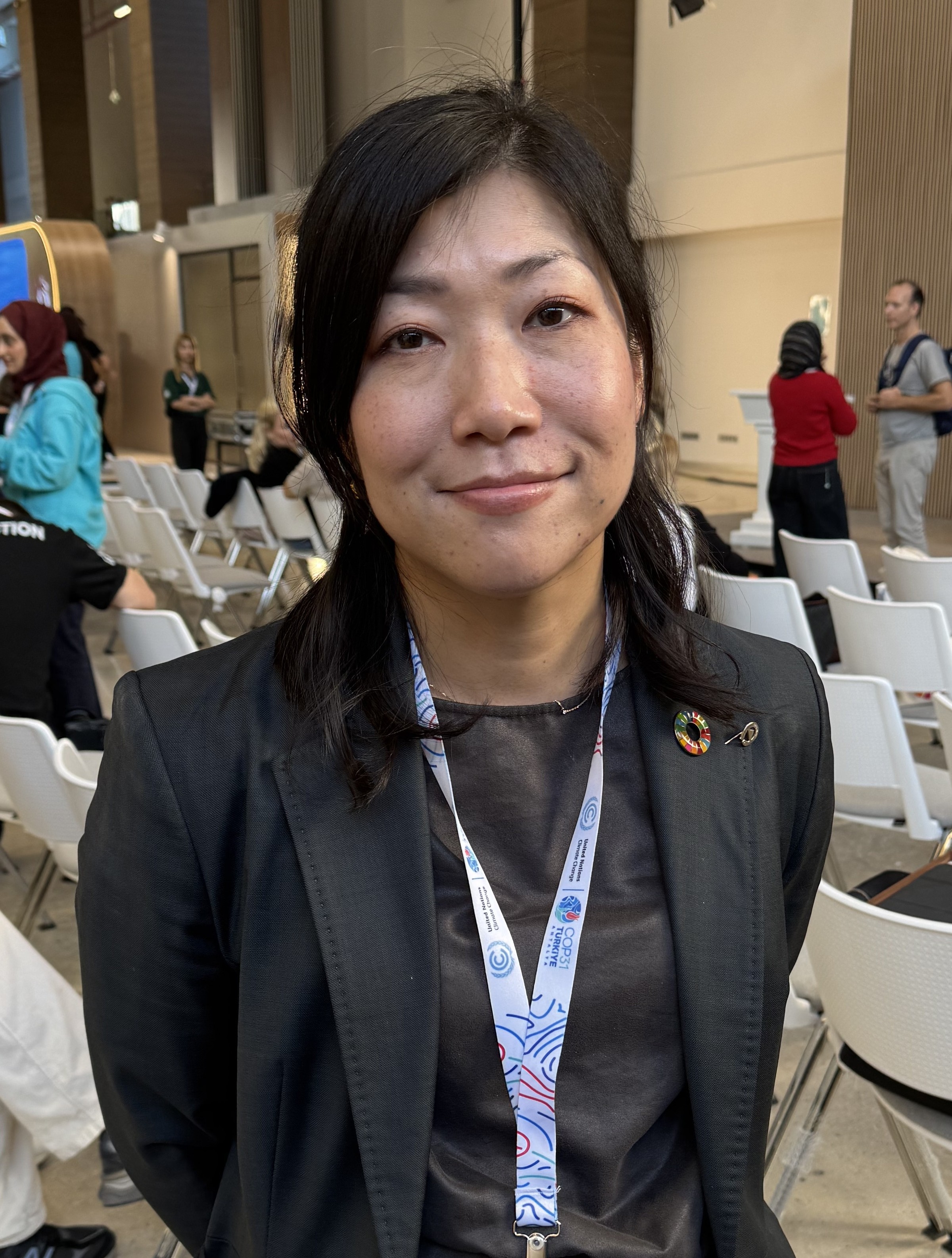
Cooling medicines is another strain as temperatures climb. "We actually use a lot of energy because we have to protect the temperature-sensitive medicines, and so how are we going to do that in the heat waves and the climate change," Arakawa noted.
On stage, Arakawa spoke for FIP, whose Development Goal 21, on sustainability in pharmacy, already calls for limiting the harm medicines do to the environment, from manufacture to disposal. Green pharmacy, she said, means cutting the avoidable share of it without compromising patients' safety or access to treatment.
Sources
 By Nika Kulpin and Oli Kotyk