A Lab Experiment Points to Where Space's Missing Sulfur May Hide
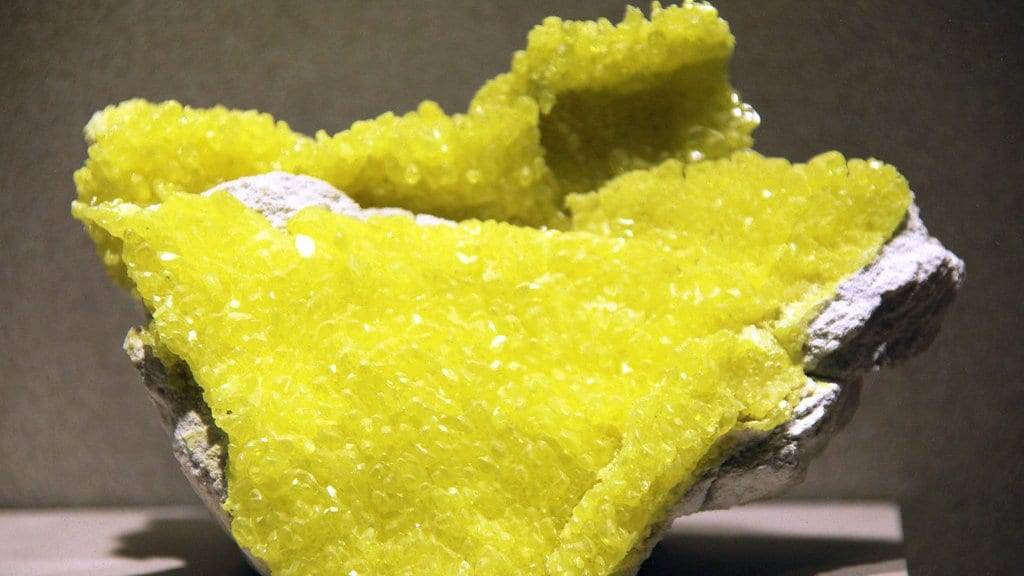
Carlos del Burgo Olivares and colleagues report that ultraviolet light and warming turn frozen hydrogen sulfide into solid rings and chains of sulfur in laboratory ice, and that adding water ice raises the yield by two orders of magnitude, roughly a hundredfold.
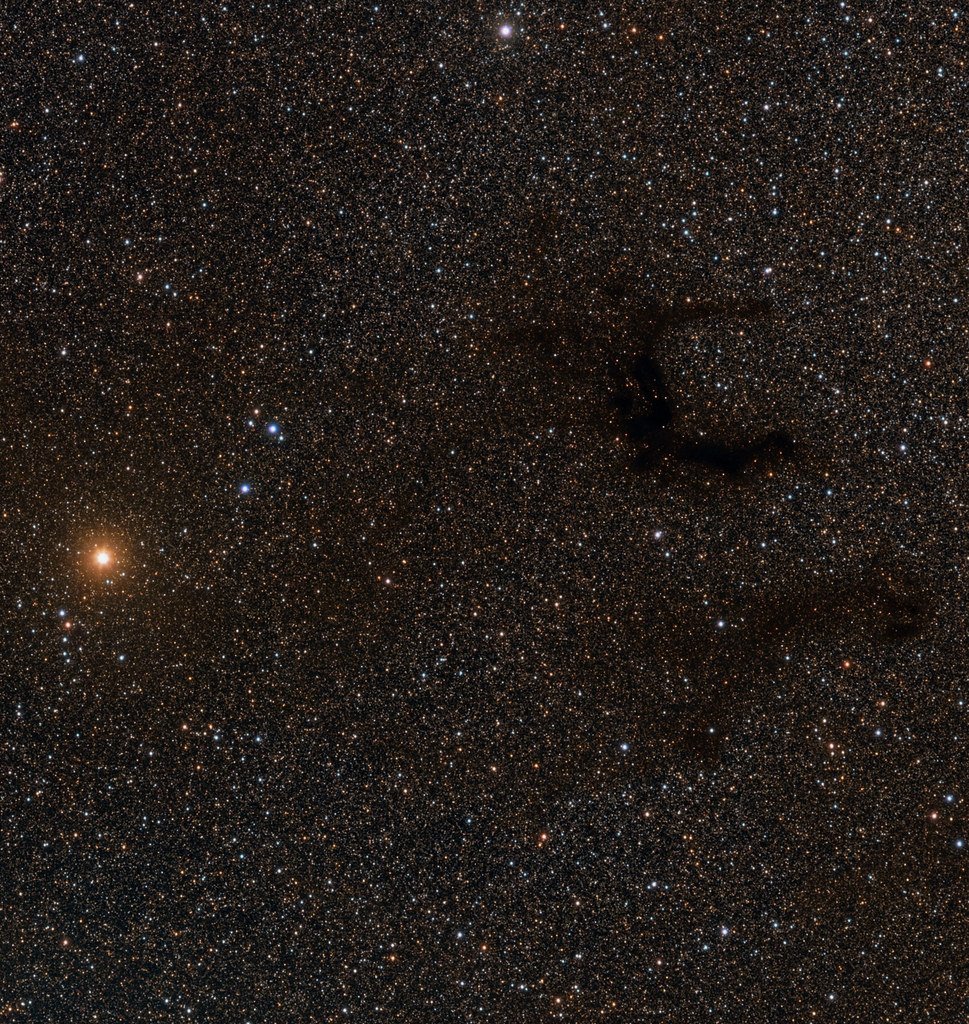
Sulfur is the tenth most abundant element in space, and most of it goes missing from the gas in the dense clouds where stars are born. Their paper, accepted for publication by the journal Astronomy & Astrophysics, tests one explanation for the shortfall: that the element is locked away in solids on dust grains, in forms that are hard to detect.
The experiments froze hydrogen sulfide into ice, both with water and without it, exposed the ice to ultraviolet light, and then warmed it. The residue left behind was analyzed after the run, outside the chamber. It contained refractory sulfur, meaning solid forms that survive heating, including rings and chains of six to eight sulfur atoms.
The authors propose a mechanism: charged fragments held in place by the surrounding water ice let sulfur chains grow and then close into rings, ending mostly as the eight-atom form. The residues also held polythionic species, a related family of sulfur compounds that has been reported in meteorites and in samples returned from asteroids. The authors read that overlap as support for the same chemistry in the icy coats of dust grains, before comets assemble.
Because one of these molecules can carry several sulfur atoms at once, the group proposes them as an efficient solid reservoir for the sulfur missing from dense clouds, and as a possible tracer of water ice elsewhere in space. The measurements are of residues made on a laboratory bench, not of material in space.
The paper was posted as a preprint on Sept. 30, 2026. The journal version has not appeared.
Sources
- arXivPreprint