Astronomers Read Early Galaxy History in the Old Stars Next Door
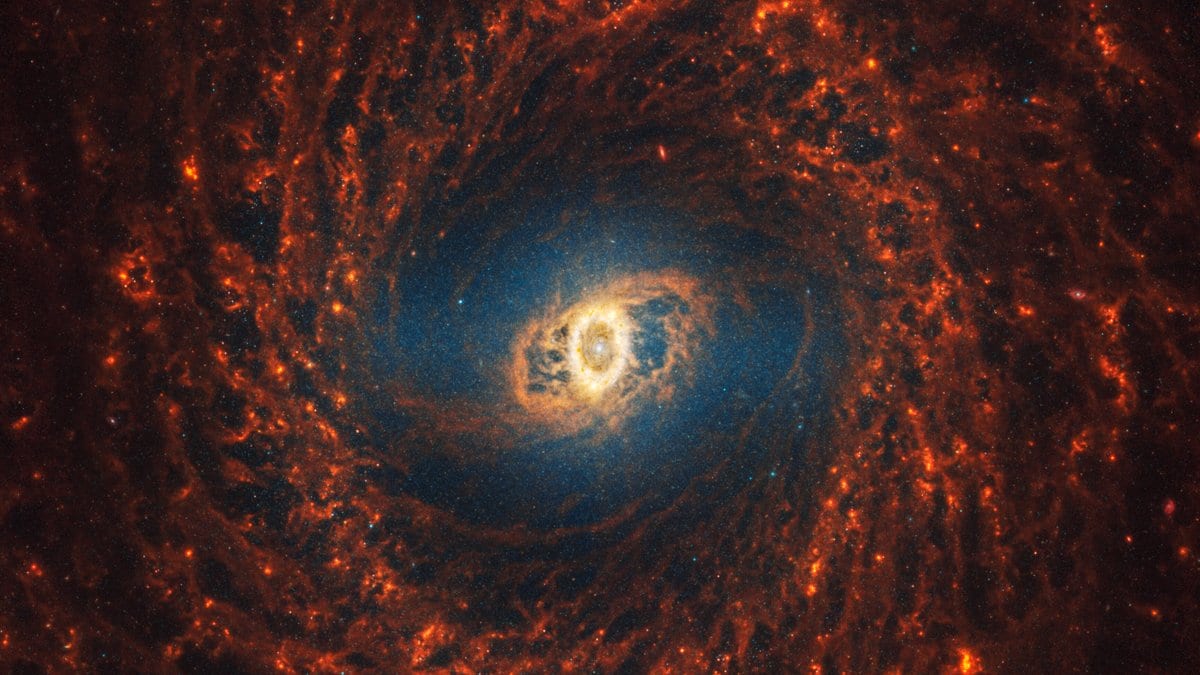
Astronomers have measured both the mass and the heavy-element content of the oldest stellar disks in six nearby galaxies, using James Webb Space Telescope images sharp enough to pick out their individual red giant stars. Avinash Ck of the Instituto Nacional de Astrofísica and six colleagues published the result Nov. 18, 2026, in The Astrophysical Journal Letters. They call it the "first ever" relation of its kind for a galaxy's fossil disk, meaning the old stars still sitting in the disk.
The authors offer the technique as a way to study the early universe from stars close to home. Their paper says Webb's Near-Infrared Camera delivers the mass and the heavy-element content of such disks "at precisions that were not possible earlier."
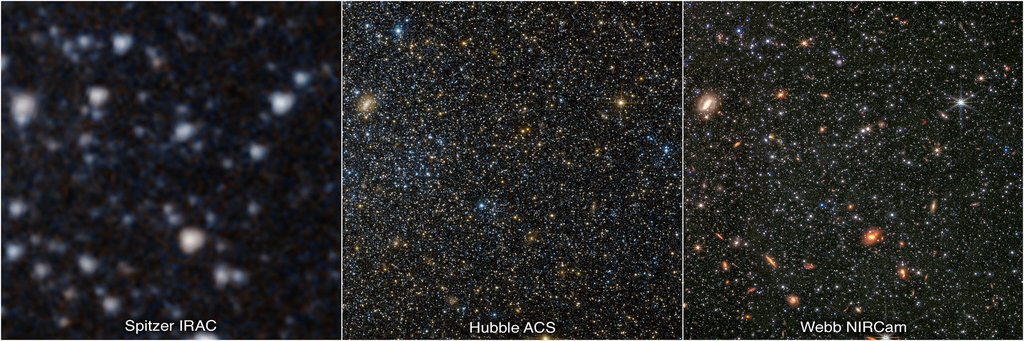
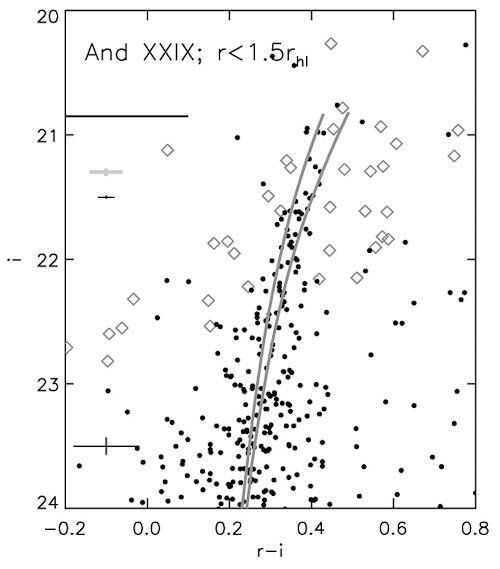
Both quantities come from red giant branch stars, the old bright stars near the end of their lives, by a method already established on Hubble Space Telescope images of the halos around nearby galaxies. The team compared the color, brightness and number of stars near the top of that sequence against model stellar populations aged 4 and 13 billion years.
The heavy-element levels in these nearby old disks closely match those measured in galaxies seen at redshifts above 8, deep in the early universe. Across the six, the heavier the fossil disk, the richer in heavy elements it is — a power law whose index the authors put at about 0.26. In their reading, that is close to the typical value in relations built on the gas inside galaxies at many different distances.
The letter is open access under a Creative Commons Attribution license, so anyone can read the measurements in full.
Sources
- The Astrophysical Journal LettersPeer-reviewed