Lab Ice Hit With Electrons Makes a Molecule Thought to Come Before DNA's Letters
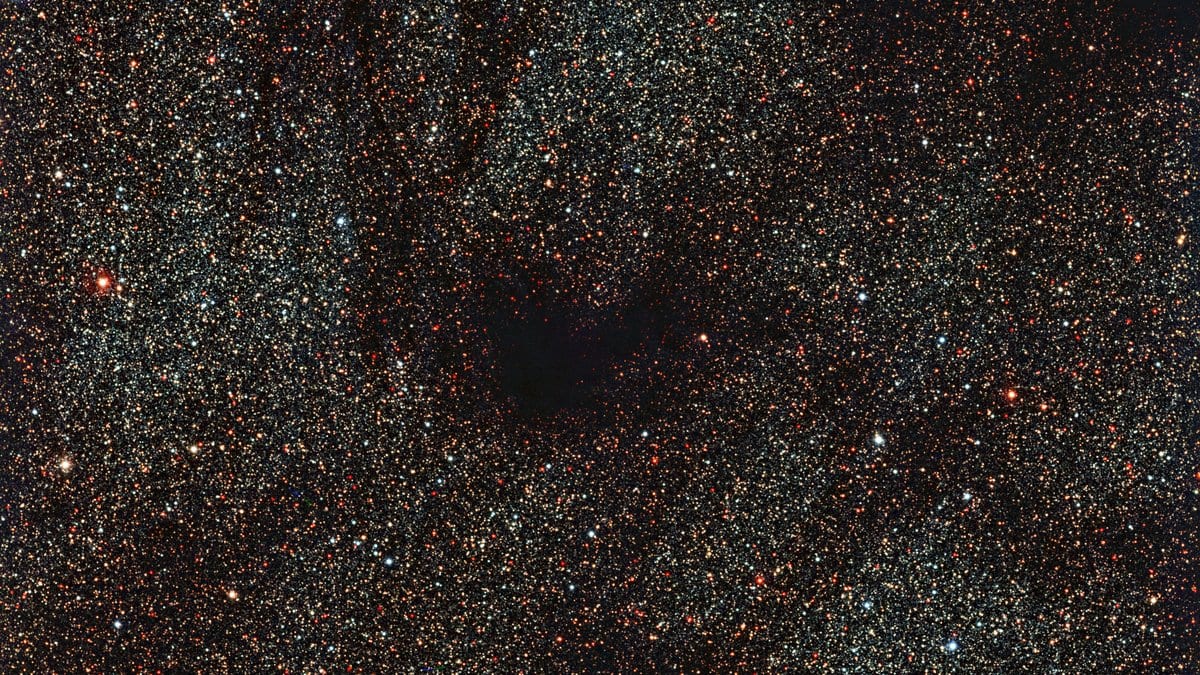
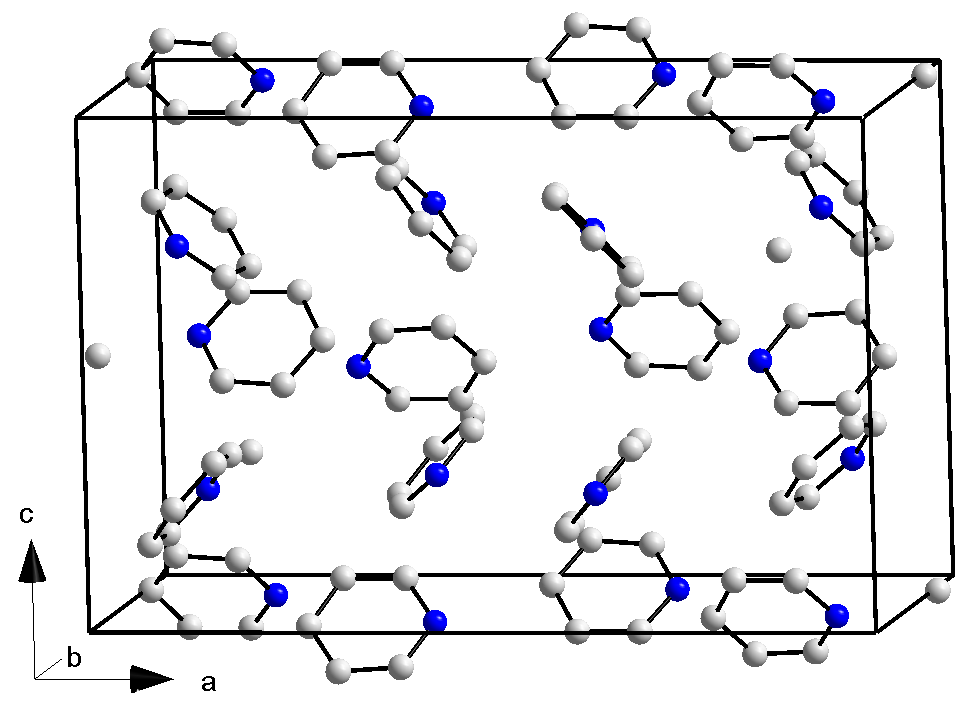
Chemists at the University of Hawaii at Manoa have made pyridine, a ring of five carbon atoms and one nitrogen, inside laboratory ice built to imitate the frozen coatings of interstellar dust grains. They report it as the first synthesis of the molecule under those conditions.
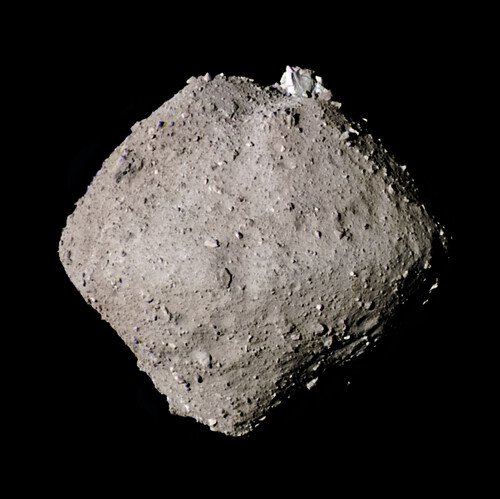
Returned asteroid samples raised the question the experiment addresses. Nucleobases, the chemical letters of DNA and RNA, have been identified in material brought back from the asteroids Ryugu and Bennu. That identification is work the paper cites as its starting point. Pyridine has long been proposed as a precursor of those larger nitrogen-bearing rings, meaning a molecule the bigger ones can be assembled from. The paper says that how pyridine itself forms under the conditions of space has been poorly understood. The relationship is a chemical one between molecules, not a stage of biology.
The ice was a mixture of acetylene and hydrogen cyanide, held at low temperature and exposed to energetic electrons standing in for the galactic cosmic rays that pass through interstellar clouds. Pyridine was identified in the gas above the ice by two independent techniques: time-of-flight mass spectrometry, which sorts molecules by mass, and a laser method that picks a molecule out by the wavelengths it absorbs. Between them they separate pyridine from other molecules that share its formula.
Published online Sept. 28 in the Journal of the American Chemical Society, the paper lists Jia Wang as first author and Ralf I. Kaiser as senior author. The work is a laboratory synthesis, not a detection of pyridine in space or in the asteroid material.
The authors describe the result as a direct chemical link between the chemistry of interstellar ice and the molecules found in the Ryugu and Bennu samples.
Sources
- Journal of the American Chemical SocietyPeer-reviewed