A Nuclear Detonation in Orbit Would Disable Nearly Every Satellite, a New Model Finds
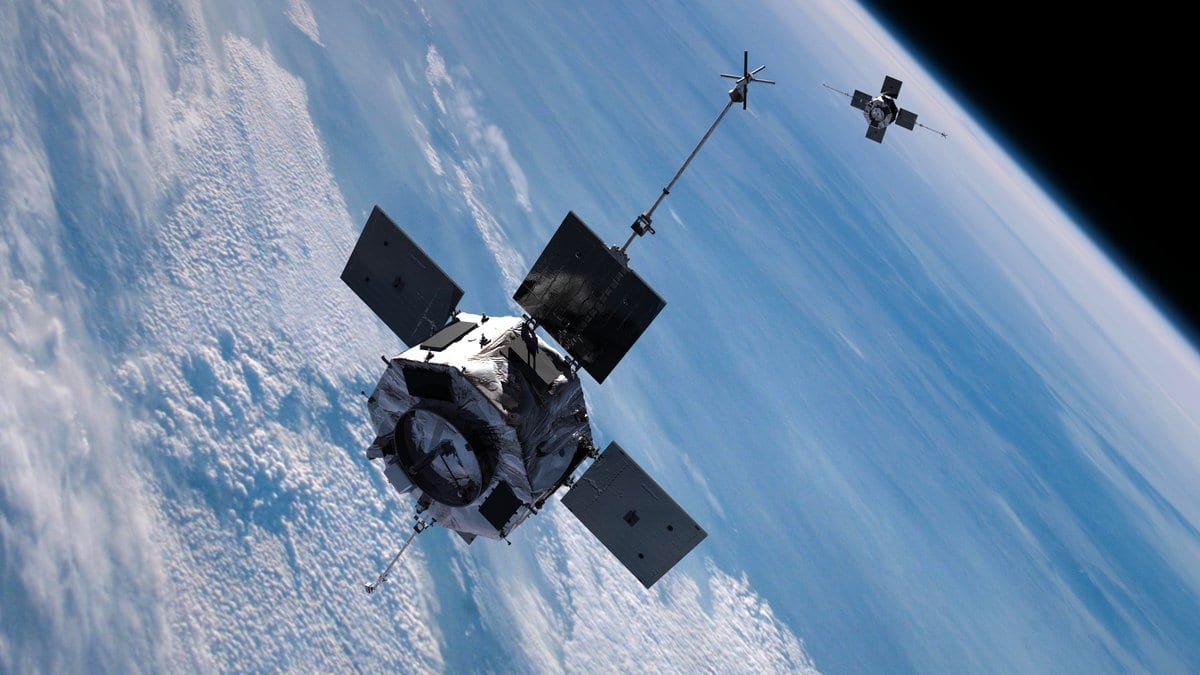
Zachary Petersen and colleagues have modeled what a single nuclear detonation in low Earth orbit would do to the satellites flying there. In their central case, a 1-megaton device set off at 500 km over the South Atlantic disables about 98% of the modeled fleet of 13,306 satellites within one week.
Those satellites are shared infrastructure, carrying communications, weather forecasting and Earth observation. The four authors, at the University of Wisconsin–Madison and Princeton University, write that earlier open assessments of a detonation in orbit looked mainly at the initial X-ray burst. Their own framework, posted to arXiv on Nov. 6, 2026 and not yet peer-reviewed, follows what happens after it.
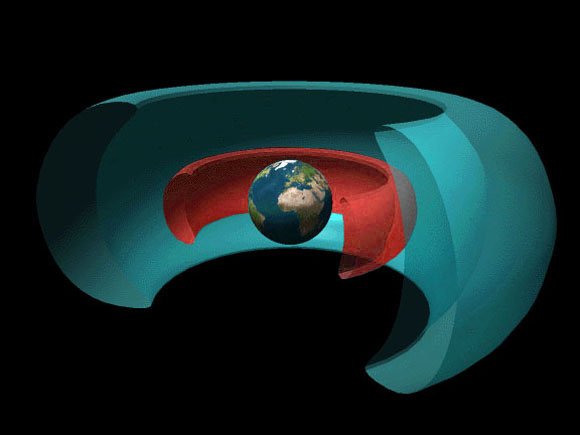
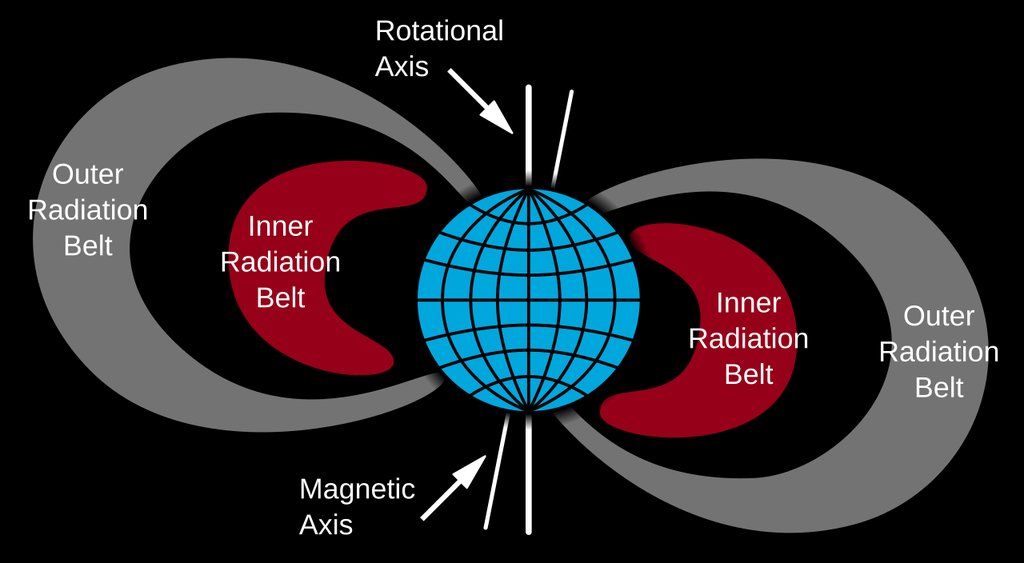
In the model, prompt X-rays disable 2.9% of the fleet at the moment of the detonation. The rest fail more slowly. Electrons released by decaying fission products become trapped in Earth's magnetic field as an artificial radiation belt, and spacecraft take a fresh dose every time they pass through it. Tripling the assumed radiation tolerance delays the failures by days rather than preventing them, and about 97% are still disabled within two weeks.
Disabled satellites stay in orbit but, the model assumes, can no longer steer out of the way. Coupling the radiation failures to a collision and debris model gives about 20 expected collisions within two years, and the decade total is more than double that of a matched run with no detonation. Roughly three quarters of the decade's expected collisions fall in the first year.
Where the detonation happens matters as much as how large it is, the paper reports. Bursts at the same altitude over some other longitudes send electrons onto magnetic shells that drain into the atmosphere instead of forming a lasting belt.
Atmospheric drag pulls disabled spacecraft back down over the following years, but the authors report about 5,600 of them still in orbit after one year, and note that electrons from the Starfish Prime nuclear test in 1962 persisted for several years. The code behind the framework, which the authors call open-hane, will be posted publicly, they say.
Sources
- arXivPreprint