One Iron Infusion Improved Exercise Capacity in a Small Heart Failure Trial
Investigators at Mass General Brigham report that one intravenous dose of iron improved exercise capacity over 12 weeks in 65 patients with the most common form of heart failure and iron deficiency. The results were presented at the American Heart Association Scientific Sessions and published in Circulation on Nov. 8, 2026.
More than 50% of people with heart failure with preserved ejection fraction (HFpEF) are short of iron, according to Mass General Brigham's account of the trial. In that form, the heart still pumps out a normal share of the blood it holds. Lead author Gregory D. Lewis, the health system's director of Heart Failure, said patients living with the condition are "burdened with severe limitations in exercise tolerance." The health system says the findings suggest replenishing iron could help address those limitations.
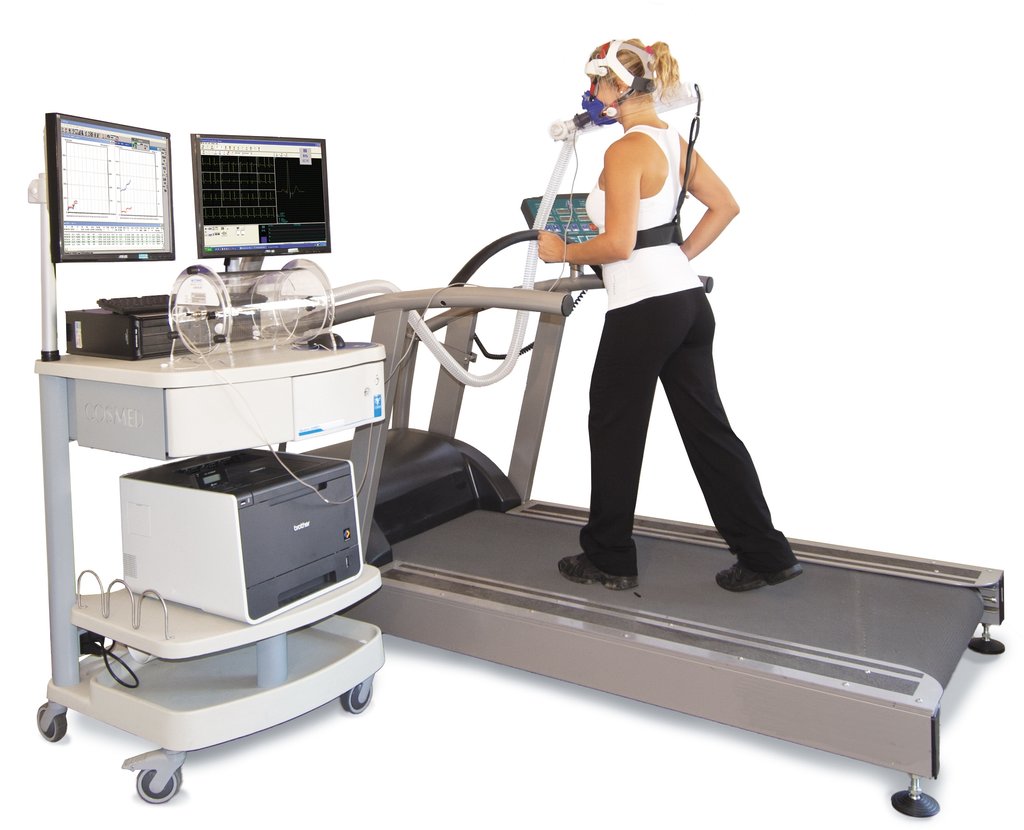
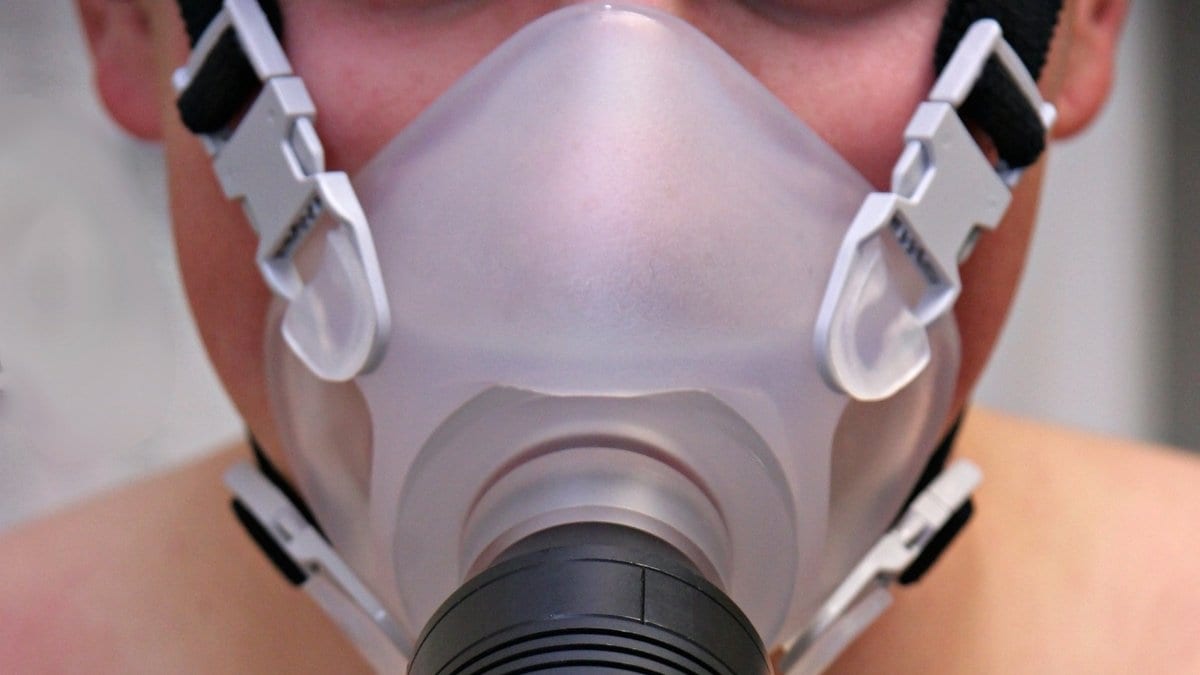
Participants were randomly assigned one 1,000-mg intravenous dose of ferric derisomaltose, an iron drug, or a placebo. Peak oxygen uptake, the most oxygen a person can use at full effort, was measured on an exercise test before the infusion and again 12 weeks after it. It improved by about 10% in the group given iron and was unchanged in the placebo group. That measure tracks exercise capacity, and the trial did not count deaths or hospital admissions.
Mass General Brigham also reports gains against placebo on other pre-specified measures of exercise capacity, among them how far a participant could walk in six minutes. Health scores the participants filled in themselves did not differ significantly between groups.
Senior author Rajeev Malhotra said the gain in peak oxygen uptake "represents a clinically meaningful increment for patients with heart failure," and that the next step is to find out whether intravenous iron improves long-term clinical outcomes. The authors ask for studies in more diverse populations and over longer periods; the trial was small and its participants predominantly white.
The research was funded by the National Heart, Lung, and Blood Institute. Lewis and Malhotra have served as advisors for Pharmacosmos, and Lewis previously served on the scientific advisory board for American Regent.
Sources
- www.eurekalert.org
- CirculationPeer-reviewed

Medical Disclaimer: This content is provided for general informational and educational purposes only. It is not medical advice and should not be used as a substitute for professional medical advice, diagnosis, or treatment. Always consult a qualified healthcare professional regarding any medical condition, concern, symptom, or treatment decision.