A Shoebox Telescope and a Satellite Inspector Launch on the Same Rocket
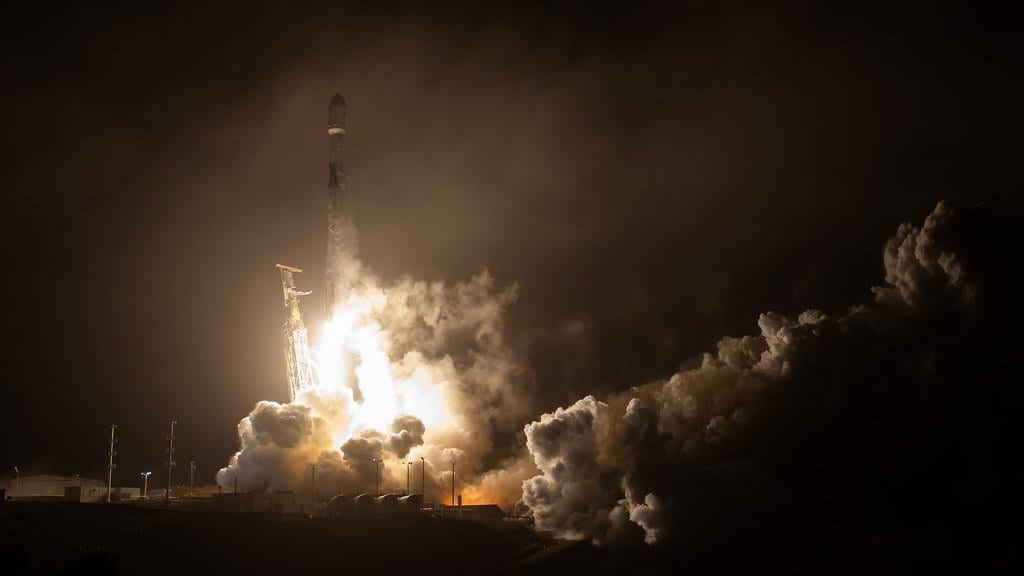
Three small spacecraft funded by NASA reached orbit on Oct. 1, 2026, lifting off at 11:32 a.m. PDT from Vandenberg Space Force Base in California aboard a SpaceX Falcon 9 on the Transporter-18 rideshare flight.
Each carries a different demonstration: a propulsion system, a compact ultraviolet telescope and a spacecraft built to fly up close to dead satellites. NASA's announcement of the launch calls a shared ride an economical way to test new capabilities in orbit. None of the three has returned results yet.
The ASCENT Propulsion Dual Mode CubeSat is to show that one small satellite can run two kinds of thruster from a single tank: a chemical thruster for maneuvers that need more power, and electrospray thrusters for low-power work. NASA says the shared low-toxicity propellant is safer to handle on the ground and carries 50% more impulse per unit of volume than conventional propellants such as hydrazine. Marshall Space Flight Center in Huntsville, Alabama, leads the mission with MIT, Georgia Tech and Rubicon Space Systems.
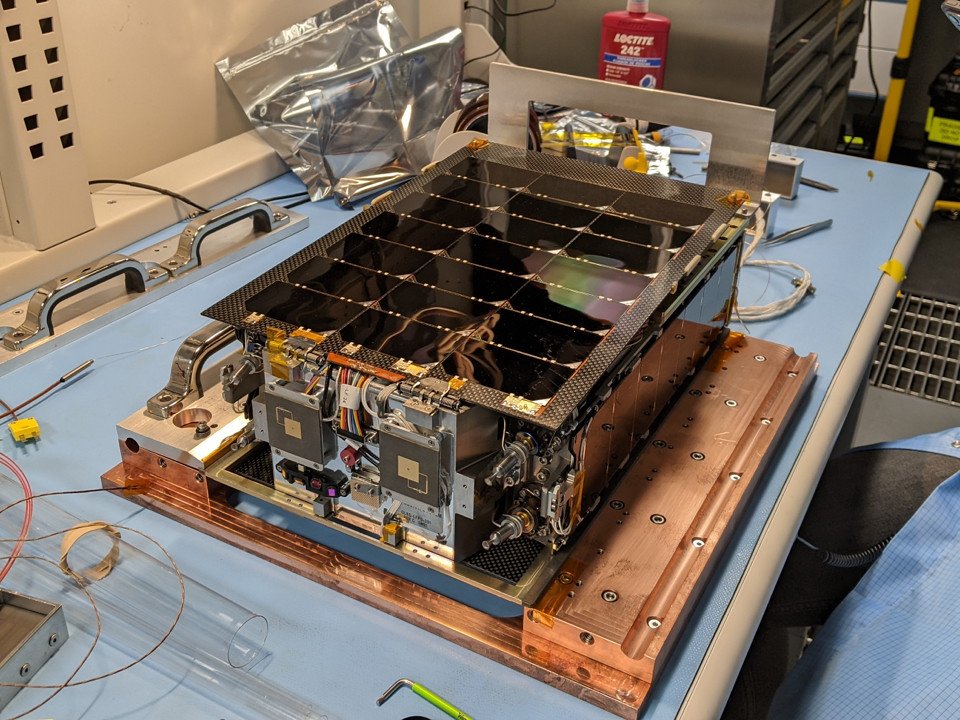
The second spacecraft, SPRITE, built and operated by the University of Colorado Boulder's Laboratory for Atmospheric and Space Physics with funding from NASA's Astrophysics Division, carries an ultraviolet telescope the size of a shoebox. Over a one-year mission it is to watch star-forming regions and the remnants of exploded stars near the Milky Way, tracking how gas, dust and radiation move through galaxies and escape into the space between them. NASA says it will be the agency's first astrophysics CubeSat to detect a range of ultraviolet light that ground telescopes cannot see.
The third, SSPICY, is an Otter 24C spacecraft operated by the aerospace firm Starfish Space. NASA says it is to approach as many as four inoperable U.S. satellites in low Earth orbit, starting in 2027, and record their surface condition, shape and orbit. Nothing will be repaired or removed: the agency describes the flight as groundwork for later servicing and disposal work in orbit.
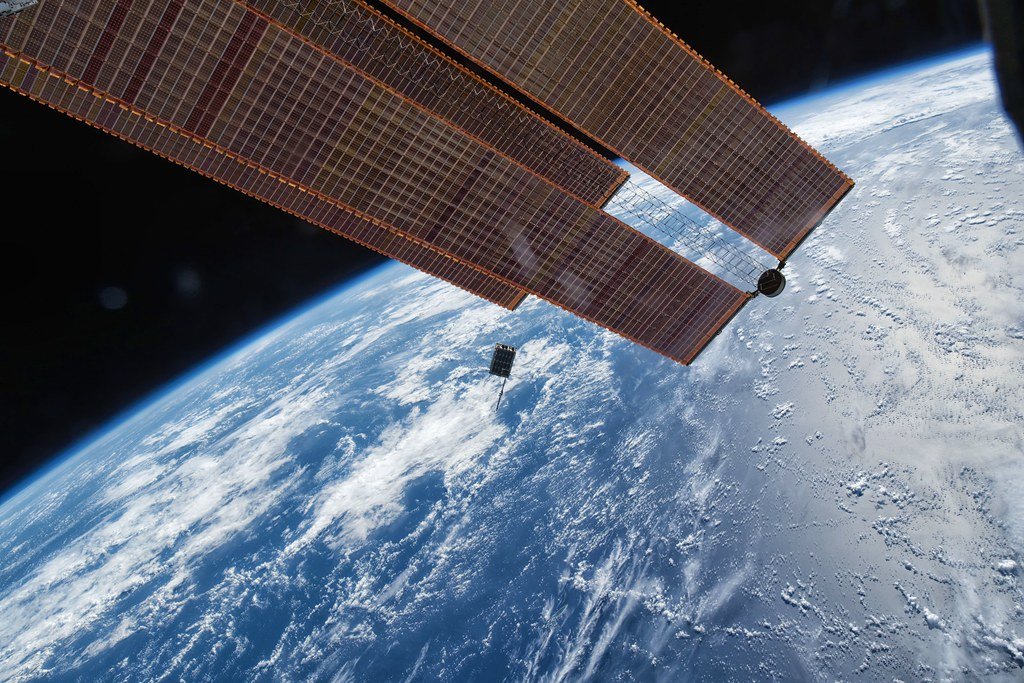
Two of the three flew through NASA's CubeSat Launch Initiative, which offers launch slots to selected small missions.