NASA Says No U.S. Spacecraft Has Reached the Station This Quickly
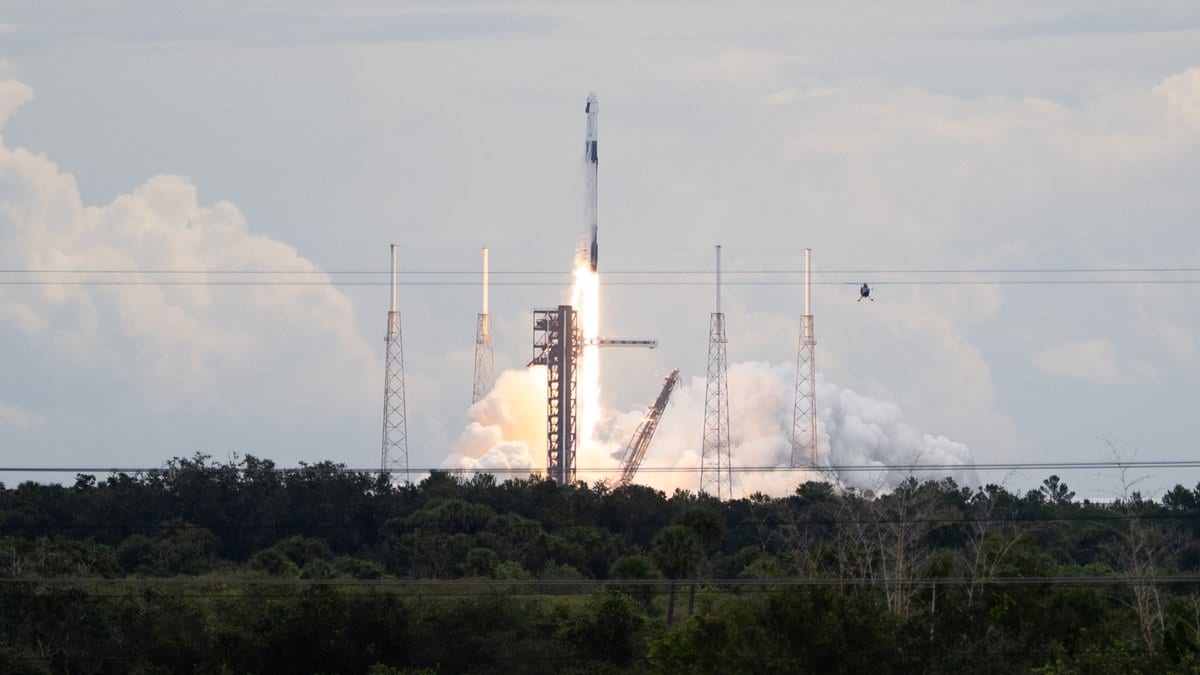
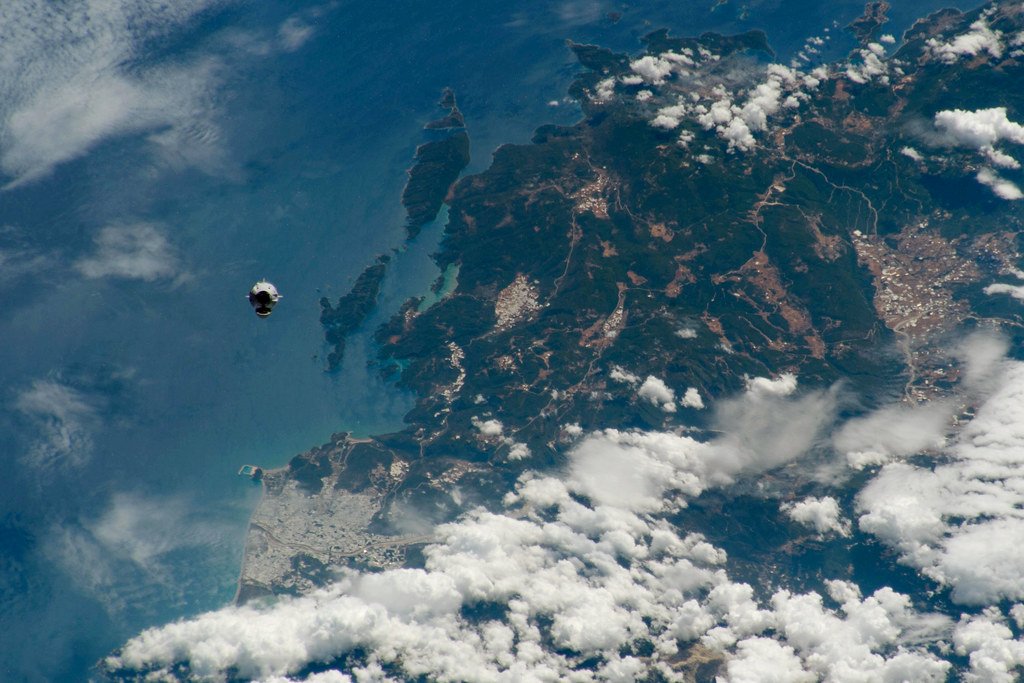
A SpaceX Falcon 9 rocket carried four crew members toward the International Space Station at 11:10 a.m. EDT on Oct. 1, 2026, from Cape Canaveral Space Force Station in Florida. Their Dragon capsule reached the station 7 hours, 55 minutes later. NASA said that is the fastest a U.S. spacecraft has traveled from launch to docking in the station's history.
NASA describes the Crew-13 flight as a science expedition. The four will use the near-weightlessness of orbit to grow human tissue from stem cells, work aimed at more personalized medicine, modeling disease, and testing drugs for conditions such as heart disease and Parkinson's. The crew will also try a mostly self-running plant growth system, continue studies of blood-flow problems that appear in orbit, and test a new onboard device for monitoring astronaut health.
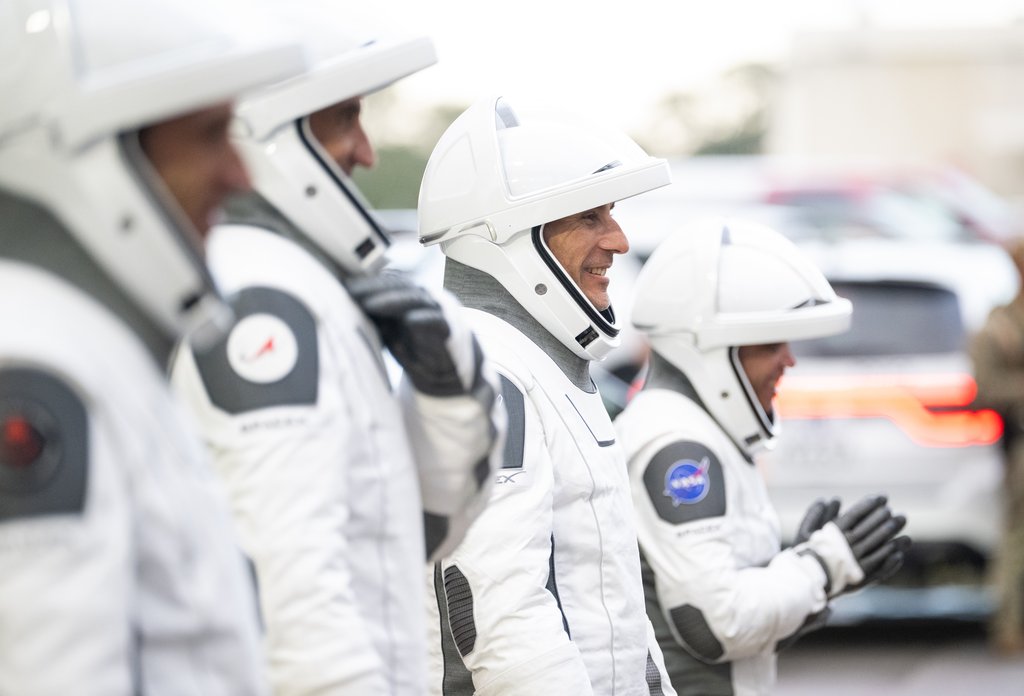
The crew is NASA astronauts Jessica Watkins and Luke Delaney, Canadian Space Agency astronaut Joshua Kutryk, and Roscosmos cosmonaut Sergey Teteryatnikov. NASA's space station blog says Dragon docked itself to the forward port of the station's Harmony module and that the hatch opened at 9:19 p.m. EDT, after which the four joined the Expedition 75 crew.
Four crew members from the previous rotation, Crew-12, were already aboard: NASA astronauts Jessica Meir and Jack Hathaway, European Space Agency astronaut Sophie Adenot, and Roscosmos cosmonaut Andrey Fedyaev. They will return to Earth after a brief handover.
SpaceX monitored Dragon's automatic maneuvers from its mission control center in Hawthorne, California, during the flight, and NASA followed station operations from the Mission Control Center at its Johnson Space Center in Houston.