A Ring of Gas May Mark a Dying Star's Last Nuclear Flare
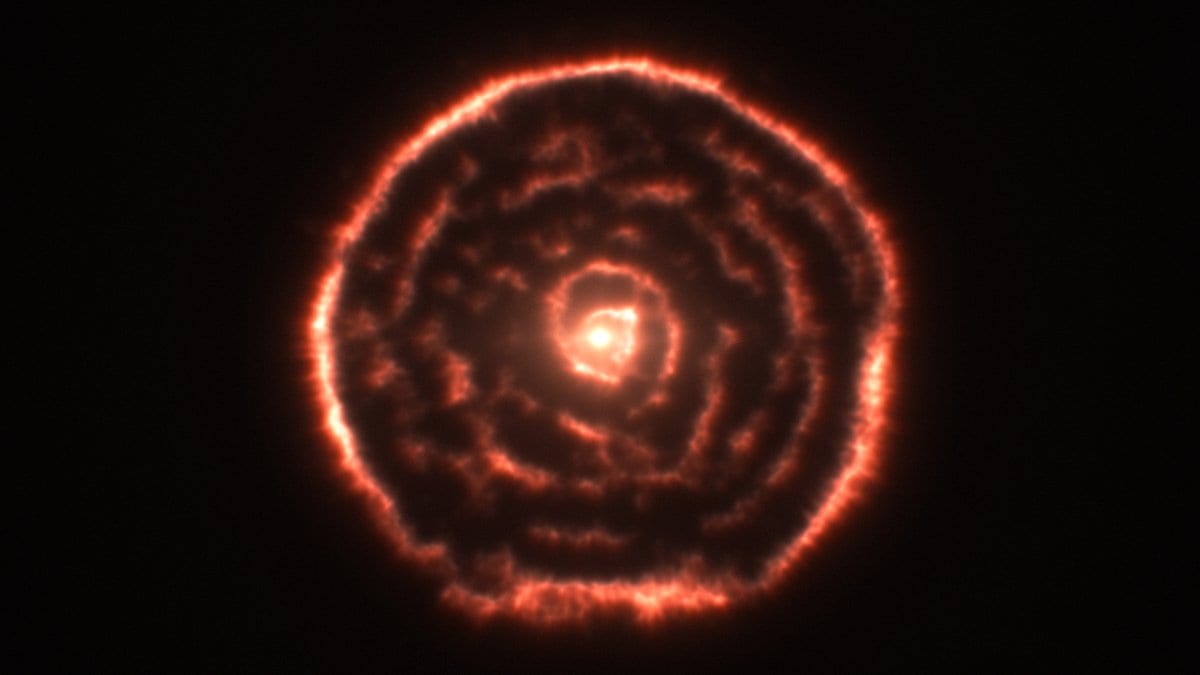
Astronomers using the Atacama Large Millimeter/submillimeter Array have imaged a ring of gas around IRAS 06530-0213, a dying star about 12,000 light-years away in the constellation Monoceros, which they read as the remains of the star's last burst of nuclear burning. The National Radio Astronomy Observatory published the images Nov. 20, 2026.
A star like this takes a few thousand years to pass from a red giant to a planetary nebula, the glowing shell of gas it leaves behind, and NRAO says IRAS 06530-0213 is in that passage now.
Such a star flares up when helium ignites in a shell around its core, a thermal pulse that flings gas outward. Raghvendra Sahai of NASA's Jet Propulsion Laboratory and colleagues measured how fast the ring is expanding and estimated the shell was thrown off about 6,500 years ago; they report the observations in The Astrophysical Journal. The authors call the ring the first evidence of the last such pulse before a carbon star leaves the red-giant stage, a claim limited to that class of star.
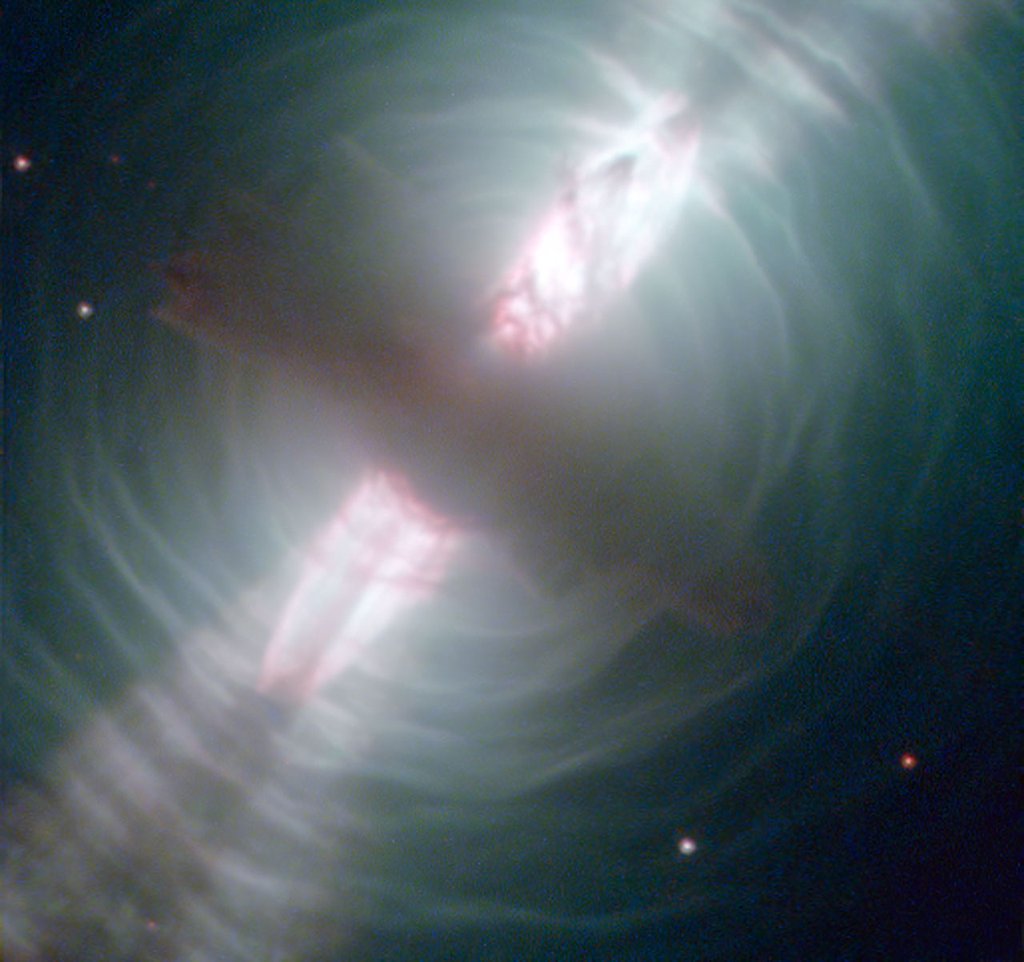
The structures inside the ring are far younger — the authors' expansion ages for an hourglass-shaped nebula and a dense ring of gas at the star's waist put their formation within roughly the last 700 years. NRAO's release describes a lull in between: mass loss dropped off for about 2,000 years before rising sharply again.
"It's essentially a physical snapshot of an event that, until now, we've mostly inferred from theoretical models," Sahai said.
Two findings complicate the usual account of how such hourglasses form. ALMA found no compact disk of dust at the star, the kind usually taken as a sign of gas flowing onto a close companion. The team also found more of the rare, heavy forms of carbon, oxygen and nitrogen near the star than expected, a pattern that does not match standard models of how such stars make their elements.
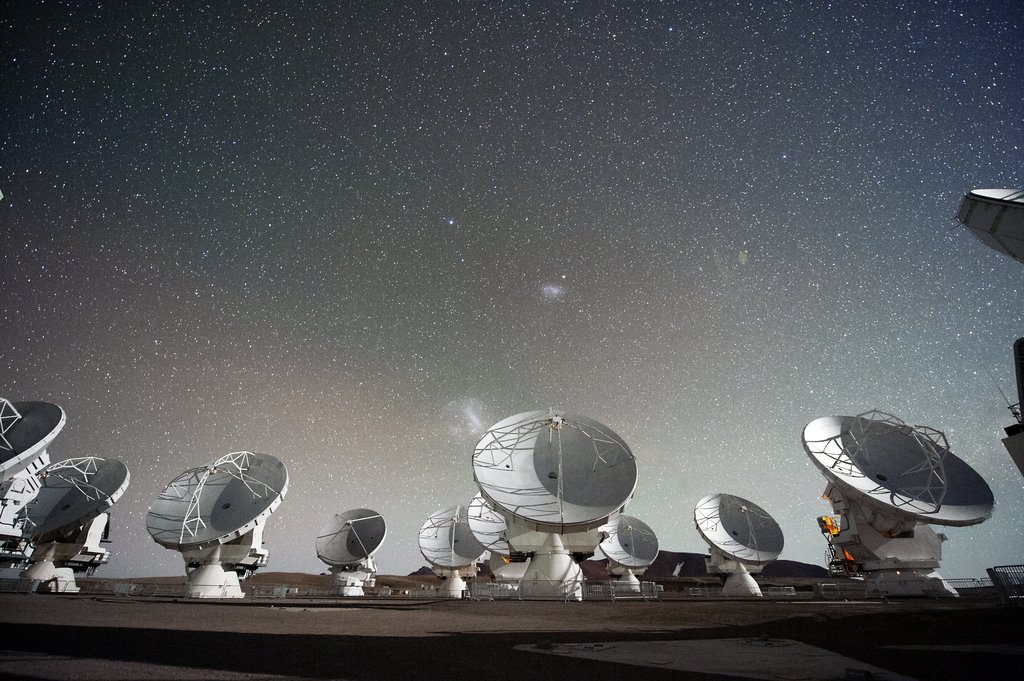
The observations come from PANORAMA, an ALMA survey of dying stars turning into planetary nebulae; NRAO says this is the first of its targets presented in detail.
Sources
- public.nrao.edu
- The Astrophysical JournalPeer-reviewed