Earth's Center of Mass Wobbles Less Than NASA Once Measured
A team at NASA's Jet Propulsion Laboratory reports that Earth's center of mass swings back and forth by about half as much each year as the same group estimated eight years ago. The laboratory announced the result on Sept. 16, from work published in Geophysical Journal International.
Satellites orbit that center, which makes it the point every position measured from space is referred to. JPL's announcement says that pinning down what moves it leads to better reference systems, and that these benefit mapping and navigation, from global shipping logistics to precision agriculture. The last two international estimates of where Earth's center of mass sits differ by 7 millimeters.
The swing comes from water and air moving between the hemispheres. Snow piling up across North America and Eurasia reaches its maximum in March and pulls the center of mass about 3 millimeters toward the North Pole. A month later, rain across the Amazon basin swings it 2.2 millimeters toward South America, and monsoon water over Southeast Asia peaks in November. Donald Argus, the JPL geoscientist who led the study, said the findings suggest that less of Earth's water and air moves between the hemispheres than had been thought.
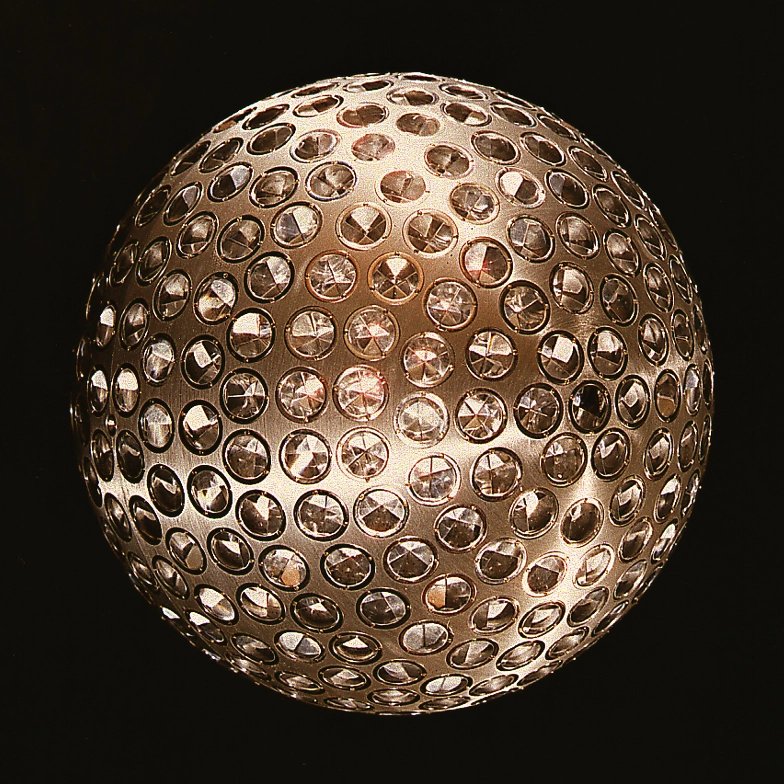
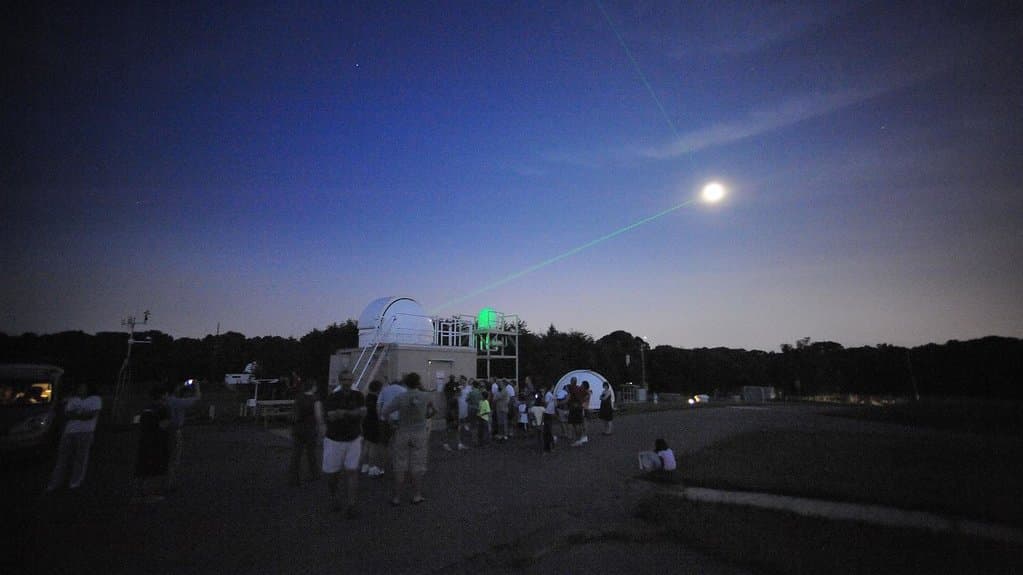
The estimate rests on decades of satellite tracking. Among the instruments are LAGEOS 1 and 2, two dense metal spheres studded with reflective prisms that ground stations range with lasers, and the GRACE-FO mission, which follows water as it moves by measuring small changes in Earth's gravity. NASA says a successor, GRACE-Continuity, is targeted for launch in late 2028.