NASA and IBM Release a Free AI Model for Studying the Moon
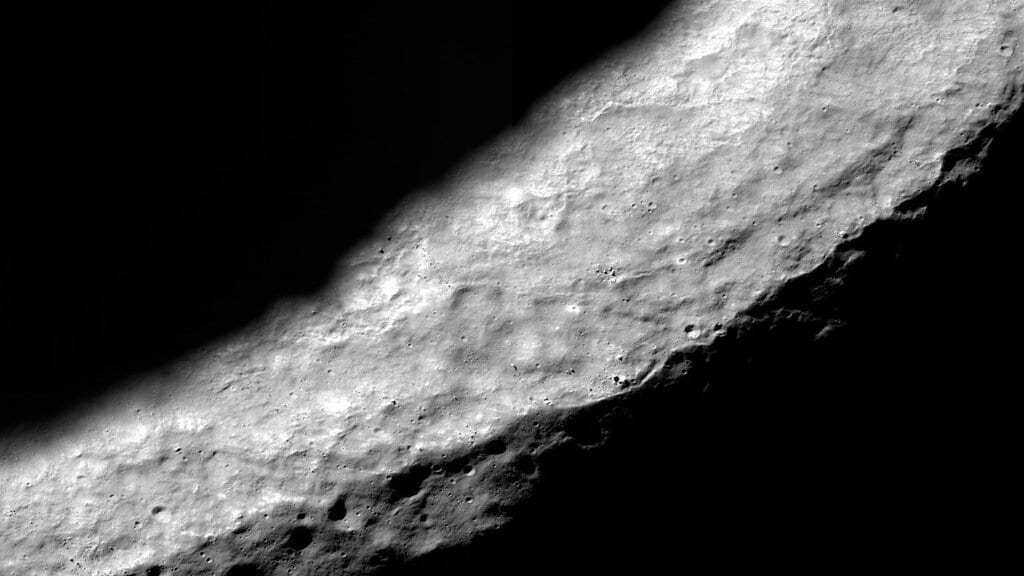
NASA and IBM released an open-source artificial intelligence model for studying the Moon on Sept. 10, along with a free dataset that pulls observations from nine instruments across four lunar missions into one machine-readable collection.
In their announcement, NASA and IBM say the NASA-IBM Lunar Foundation Model is meant to help researchers pick out craters, ancient volcanic terrain and ground where water ice may lie below the surface. Ice would mean water and oxygen, which the two organizations describe as essential for a long-term Moon base and for making rocket fuel.
That work has meant going through maps and images by hand or running narrow software built for a single task. The accuracy figures published with the release come from a technical paper written by NASA and IBM themselves, and no outside group has evaluated them.
The paper reports that the model cut error by up to 22% when flagging ground with a high chance of lunar ice, measured against SwinV2-B, the general-purpose image model it uses for comparison. On crater mapping, accuracy is close to that model's at the finest resolution, with a wider margin at coarser scales and less work to adapt it to a new task.
The dataset released alongside the model gathers more than 30 spatially aligned layers, drawn from NASA's Lunar Reconnaissance Orbiter and GRAIL missions, and from Japan's SELENE/Kaguya. The two organizations call it the first open-source lunar dataset of its kind.
"We also have to make data easier for scientists to explore and use," said Kevin Murphy, NASA's chief science data officer.
The model joins IBM's Prithvi family of openly released models, which already covers Earth observation, weather and the Sun.