Training 60 Counties in CPR Did Not Improve Cardiac Arrest Survival
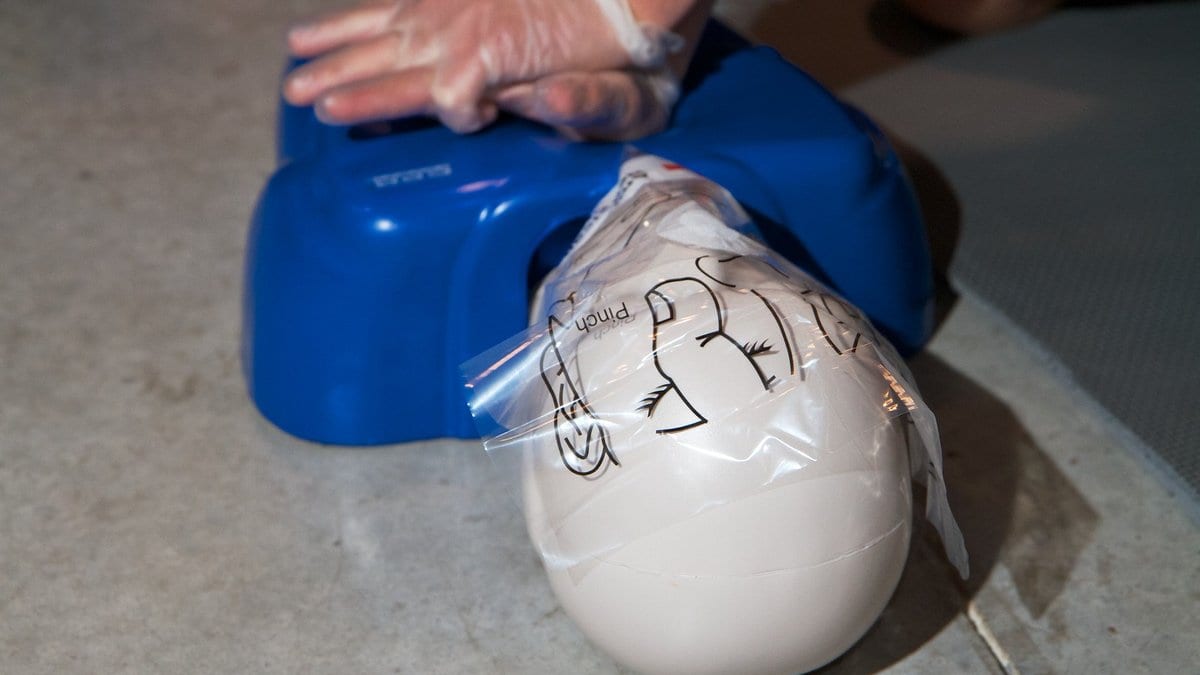
A five-year trial that trained residents and emergency crews in 60 North Carolina counties did not improve survival from cardiac arrest outside a hospital. Investigators presented the RACE-CARS result on Nov. 8, 2026, at the American Heart Association's Scientific Sessions in Chicago, and published it the same day in the New England Journal of Medicine.
The program was meant to help people recognize cardiac arrest sooner and act faster, starting CPR and using a defibrillator before an ambulance arrives. About 350,000 people in the United States have a cardiac arrest outside a hospital each year, and only about 1 in 10 survive, according to the American Heart Association, which says immediate CPR can double or triple a person's chance of survival. The trial tested one county-wide education program against the counties' existing practice, not whether bystander CPR itself helps.
The Association's release on the presentation reports that 22,459 adults had a cardiac arrest outside a hospital in those counties during the trial. About 9% of patients in the program counties survived to leave the hospital with good brain function, compared with 9.4% in the others. Overall rates of bystander CPR and of defibrillation before emergency crews arrived did not improve either.
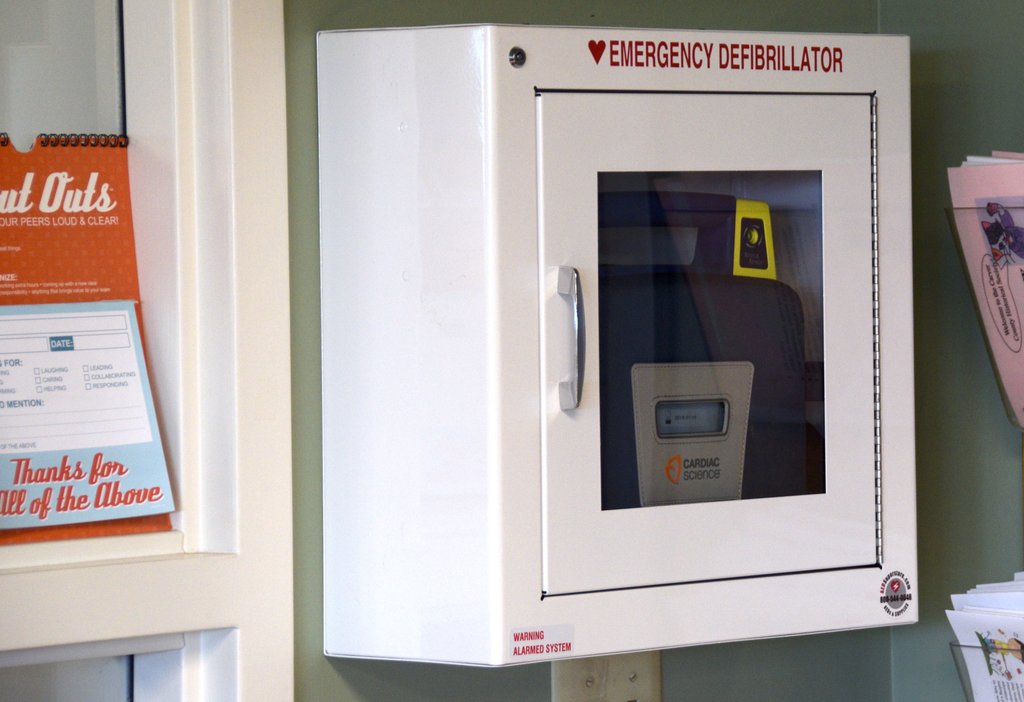
The release says the free training ran through schools and workplaces, reaching about 4.8% of residents in the program counties. Participation varied widely, one of the limitations it lists.
In the trial's final year, cardiac-arrest patients in the program counties had 33% higher odds of getting CPR from a bystander than those elsewhere, which the release calls an exploratory analysis. Christopher Granger, the trial's principal investigator and a cardiologist at Duke University, said that increase "shows there was some effect and suggests that a sustained community outreach may be needed to show an improvement in survival."
Carolina Malta Hansen, a study author and cardiologist at Herlev and Gentofte Hospital and Copenhagen EMS in Denmark, said the message to the public remains simple: "learn CPR, recognize the signs of cardiac arrest, call 9-1-1 immediately and follow the dispatcher's instructions." The National Institutes of Health funded the trial.
Sources
- newsroom.heart.org
- New England Journal of MedicinePeer-reviewed

Medical Disclaimer: This content is provided for general informational and educational purposes only. It is not medical advice and should not be used as a substitute for professional medical advice, diagnosis, or treatment. Always consult a qualified healthcare professional regarding any medical condition, concern, symptom, or treatment decision.