In 3,000 Years of Peruvian Burials, Violence Was Rare and Not Tied to Climate
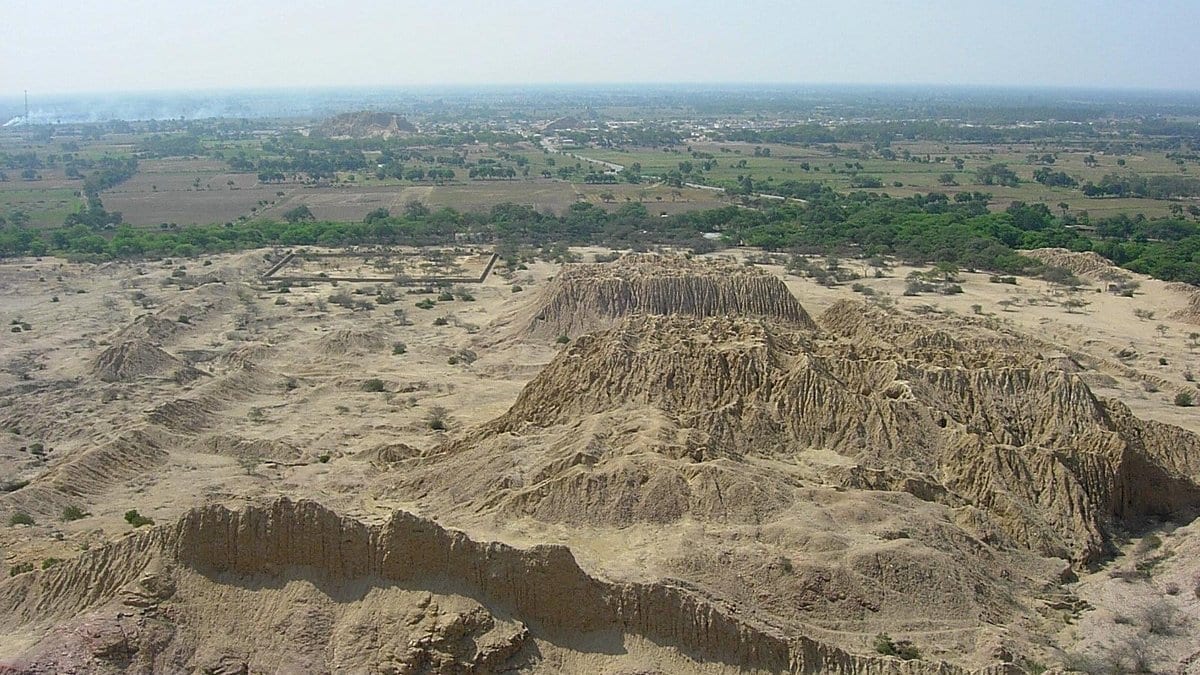
Among 1,659 people buried in northern Peru's Lambayeque Valley Complex over more than 3,000 years, injuries from everyday violence appear in 1.6% of those whose bones could be examined, and the rate does not rise and fall with the region's wet and dry episodes. Thomas J. Snyder of New York University and Haagen D. Klaus of George Mason University report in Frontiers in Environmental Archaeology that they found no strong evidence linking highland rainfall or El Niño flood frequency to skeletal trauma.
The paper, published Nov. 9, 2026, tests a connection long proposed for this coast. Earlier work the authors cite found mass sacrifices at north-coast sites in layers of mud, read as a response to sudden heavy rain. Whether everyday, non-sacrificial violence tracked rainfall over the long run had not been measured.
The skeletal data come from the Lambayeque Valley Biohistory Project. Snyder and Klaus paired them with a simulation of highland rainfall, which feeds the coast's irrigation canals, and with sediment-core chemistry from a nearby lake standing in for El Niño flood frequency. In their statistical model, the credible intervals for both climate measures crossed zero, for violent and accidental injuries alike. Both climate records resolve only to the century, so the test covers long-run association, not single floods.
Trauma could be assessed in 1,519 of the individuals, and 25 of those had skull injuries consistent with interpersonal conflict, the study's measure of violence. The authors call that rare, and note that skull trauma has been reported at 30%–45% in other parts of the Andes. They also caution that violence this uncommon leaves little statistical power to detect a link with climate, and that force applied to soft tissue leaves no mark on bone.
Injuries read as accidental were more common, at 5.1%, and more likely in men and at older ages. Violent trauma did not increase in the Colonial period. Snyder and Klaus propose, as a hypothesis for later work, that mass sacrifice in the valley was politico-religious rather than a consequence of resource stress.
Sources
- Frontiers in Environmental ArchaeologyPeer-reviewed