A Fossil Called the World's Oldest Reptile Turns out Not to Be a Reptile
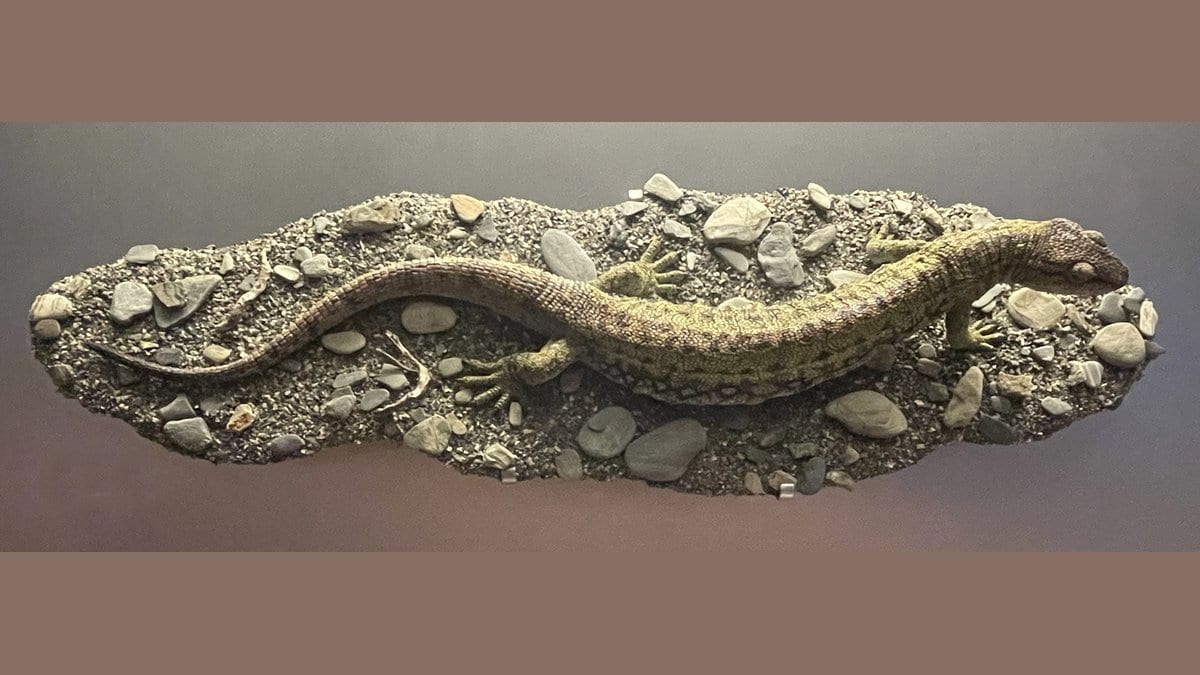
A fossil named in 1990 as the earliest known reptile is not a reptile at all.
Writing in Nature on September 30, 2026, Ben Igielman of the University of Oxford, Roger Benson of the American Museum of Natural History and colleagues report that the animal, Westlothiana lizziae, had a bony internal gill skeleton. Their analyses move it off the line that leads to reptiles, birds and mammals.
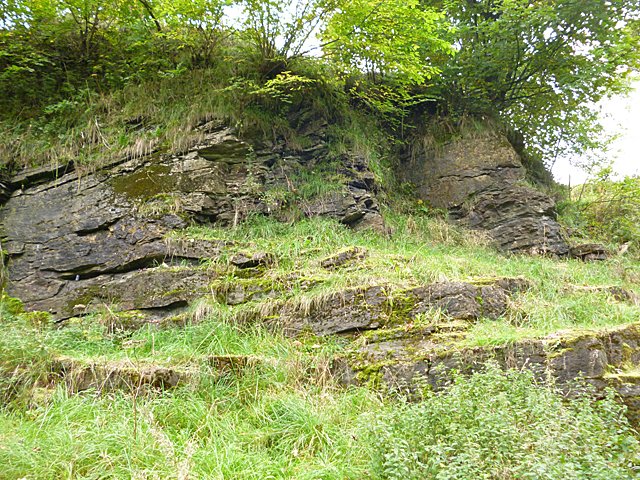
The authors conclude that features suited to life on land assembled piece by piece in animals that were still living in and out of water. The fossil comes from East Kirkton in Scotland and is held by National Museums Scotland.
In the new paper, Igielman and colleagues also report ancestral features of the skull roof, palate, braincase and jaw, and many small tooth-like denticles across the palate and jaw. The land-adapted features the fossil was known for are unchanged: a toe-bone count like that of later reptiles and mammals, forelimbs that no longer worked like fins, and claw-like toe tips. That mix returns the animal to an earlier branch of limbed vertebrates, a stem tetrapod, rather than an early relative of reptiles.
Westlothiana lizziae was named in 1990 by Timothy Smithson and W. D. I. Rolfe in the Scottish Journal of Geology, in a paper titled "Westlothiana gen. nov.: naming the earliest known reptile." Smithson, at the University Museum of Zoology in Cambridge, is a co-author of the new study. The authors describe the animal as having been widely cited since then as the earliest land-adapted member of the reptile line, and they date the first appearance of limbs to the Late Devonian, 365 million years ago.
Sources
- NaturePeer-reviewed