A Jurassic Bird Relative With Arms Too Short to Fly
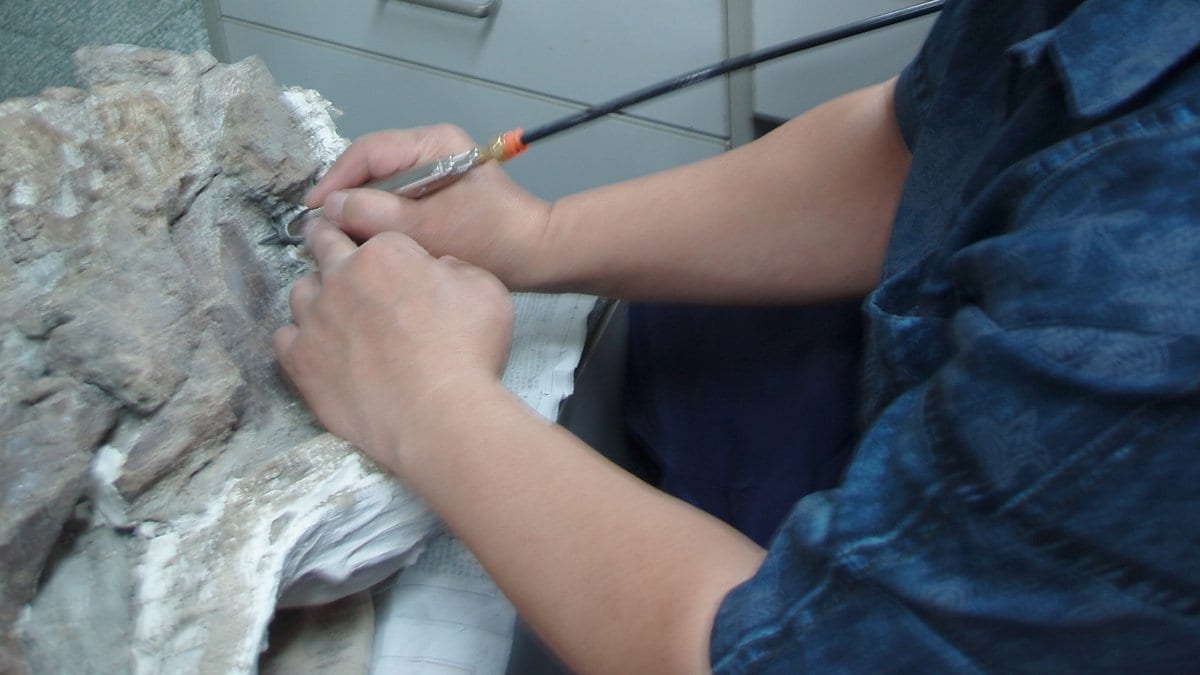
Researchers in China have described a Late Jurassic fossil that sits near the base of the bird family tree and, they report, could not fly. The animal, named Yuezhuornis yangyuanensis, comes from the Zhenghe Fauna of southeastern China, and the description was published in Nature on Oct. 14, 2026.
Its arms are the reason. Liming Xu, Min Wang and Zhonghe Zhou of the Institute of Vertebrate Paleontology and Paleoanthropology in Beijing, with colleagues at the Fujian Institute of Geological Sciences, report that the species has markedly short forelimbs, a condition found widely among theropod dinosaurs outside the bird line. Its hind limb proportions resemble those of ground-living birds, which the authors call strong evidence for a terrestrial, flightless animal.
The paper says selection for powered flight has been seen as the main driver of early skeletal change in the bird line. Its authors argue instead that the beginning of bird evolution took several divergent ecological paths.
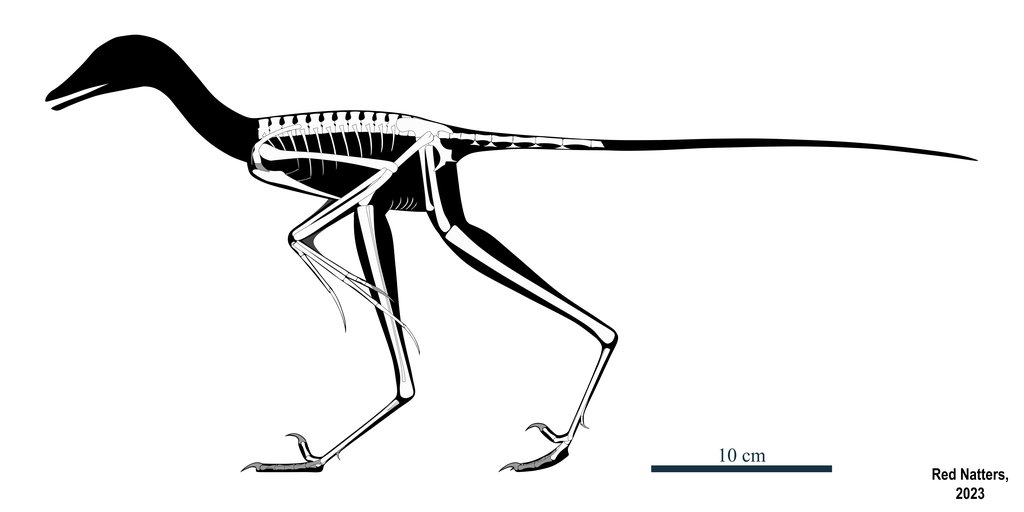
The skeleton is a mosaic. Its skull combines features of early birds with those of troodontids, small feathered dinosaurs, while the rest of the skeleton carries more derived traits and a second toe that could be bent far back, as in raptor-like dinosaurs.
The flightless reading rests on comparison. The team compared the fossil's limb proportions with those of 381 other specimens, including modern birds, and found it falls among the ground-living ones.
The paper says estimates of evolutionary timescales point to birds diversifying during the Jurassic, while fossils from that period are scarce enough to have held back understanding of how the bird body plan was assembled.
The holotype specimen, numbered IVPP V34427, is archived at the Beijing institute and available on request. The measurements, the phylogenetic data and the code behind the analyses are posted on Figshare. The work was funded by the National Natural Science Foundation of China and by geological agencies in Fujian province.
Sources
- NaturePeer-reviewed