Scientists Name a New Wild Cat Species in Bolivia: The First in Over a Century
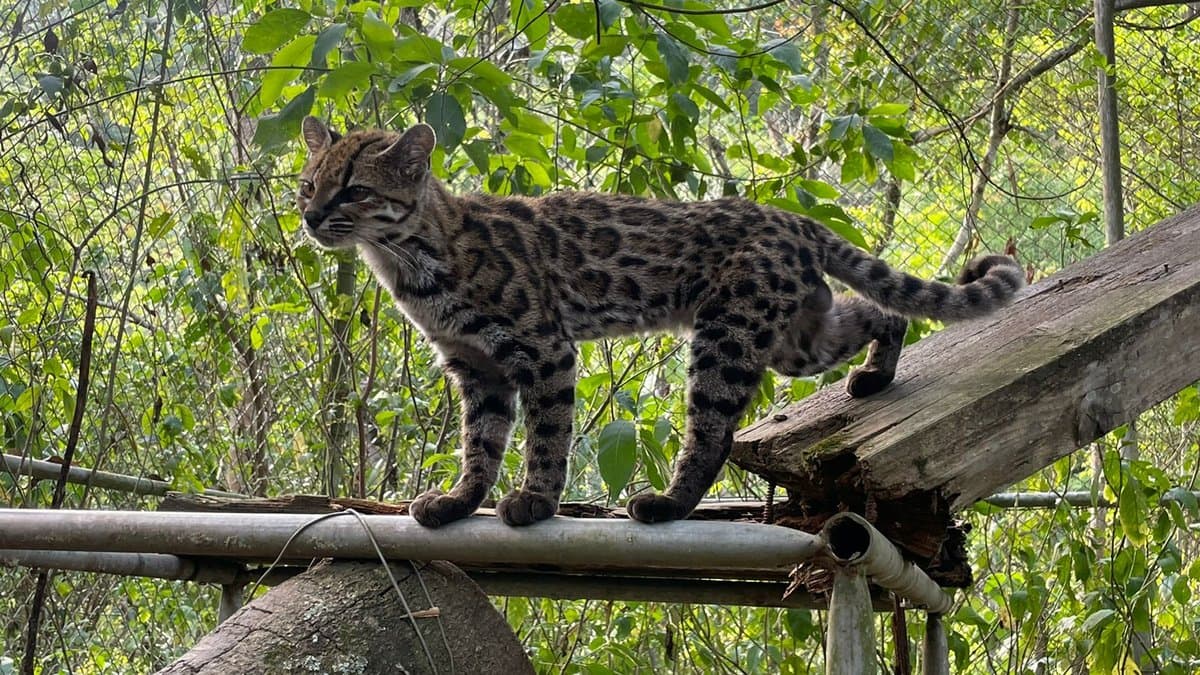
Researchers have formally described a previously unnamed wild cat living in Bolivia's Yungas cloud forest, the first new living cat species named in more than a century.
The species, Leopardus tilcayo, the tilcayo tiger cat, was identified in a study published on September 17 in Current Biology by Jonas Lescroart of the University of Antwerp and Paola Nogales-Ascarrunz, a National Geographic Explorer and Bolivian wild cat researcher, and colleagues. It weighs about 1.4 kg, smaller than an average domestic cat, and lives in the mountainous cloud forests where the Andes meet the Amazon basin. The species name comes from what local communities in Bolivia have long called the animal, a piece of traditional knowledge the authors said they wanted to preserve.
The study analyzed DNA from 38 cats sampled across several South American countries, including eight museum specimens, and found that what taxonomy had treated as two tiger cat species is in fact five genetically distinct ones. The tilcayo lineage separated from its closest relatives about 1.4 million years ago. "We never expected this Bolivian tiger cat to be a separate species, and no one had ever proposed it as a different animal, subspecies or otherwise," Lescroart said, per Reuters.
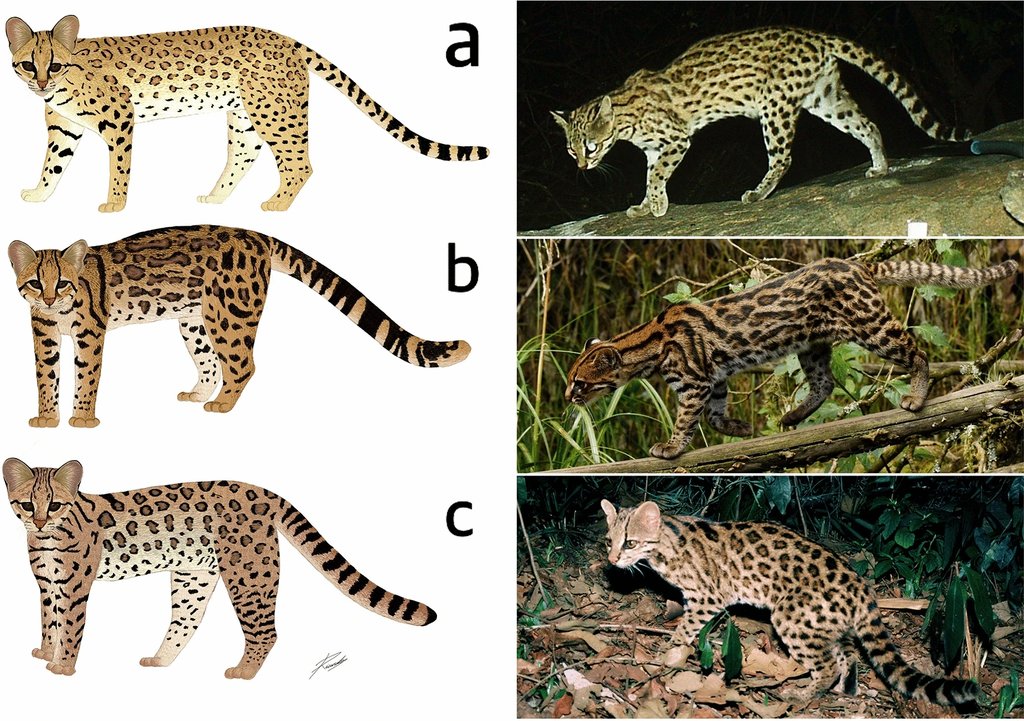
Nogales-Ascarrunz first grew suspicious when a man in a community near La Paz brought a small wild cat to the Senda Verde Wildlife Sanctuary, where she volunteers. "If you look at the spots or the tail, they really don't match," she told NBC News. Genetic tests on that individual and a second animal that arrived separately confirmed a new species.
The study also described a new tiger cat subspecies from Peru's Yungas, Leopardus tigrinus antisuyo. The size of the tilcayo population is unknown; no specimens had previously been held by museums.
Sources
- Current BiologyPeer-reviewed