Models That Predict TB Drug Resistance Don't Reliably Work in Other Countries
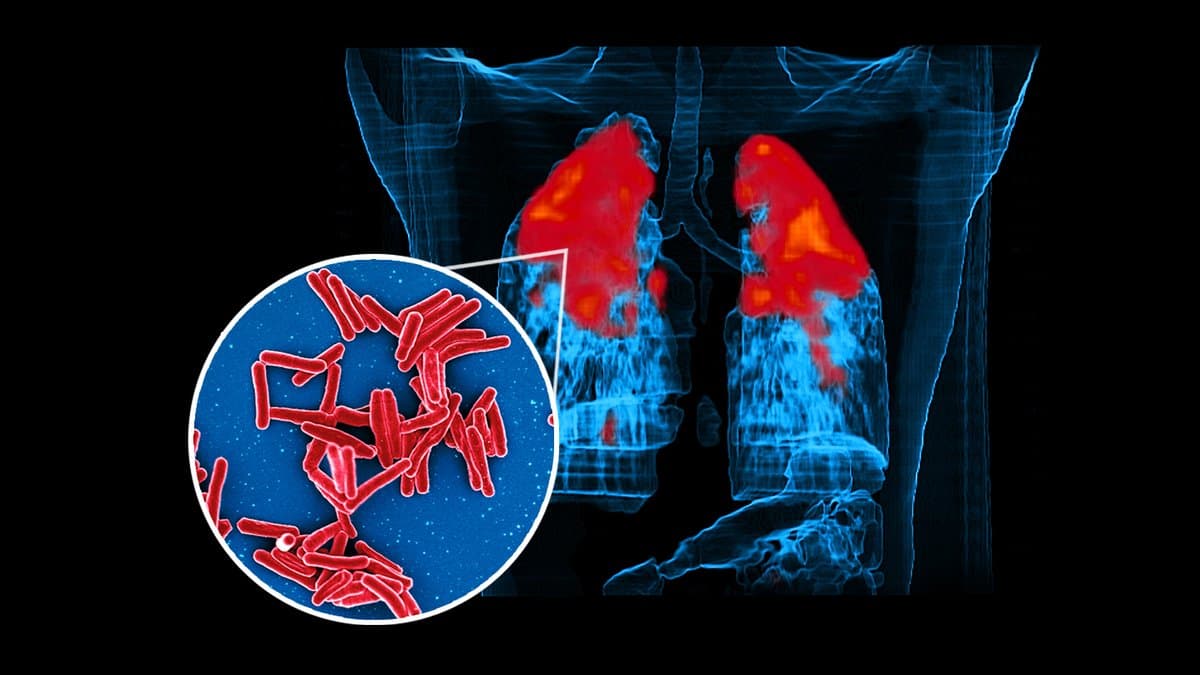
Prediction models that use a patient's medical history to estimate whether their tuberculosis will resist fluoroquinolones should not be assumed to work in a country they were not built for until they have been tested there, a study published on September 15, 2026, in PLOS Medicine reports.

The World Health Organization recommends shorter, all-tablet treatments for tuberculosis that resists rifampicin, one of the standard first-line drugs, and fluoroquinolones are central to most of them. Rapid laboratory tests for fluoroquinolone resistance are unavailable in much of the world, and models built from information a clinic already holds have been proposed as a substitute, so a doctor can choose a regimen on the day of diagnosis. The study concludes that such models are not accurate enough to replace the laboratory test.
Tianfang Shao of the Yale School of Public Health, Reza Yaesoubi of the University of California San Francisco and colleagues used records for 5,175 patients from eight countries in Eastern Europe and Central Asia. The records come from TB Portals, an open database curated by the U.S. National Institute of Allergy and Infectious Diseases. About a third of them had strains resistant to fluoroquinolones. The team trained three kinds of models, then tested them pooled across every country, within a single country, and trained on several countries and applied to one left out.
Pooled, the models scored 0.70 to 0.72 on a common measure of how well a model separates patients who are resistant from those who are not, where 0.5 is a coin flip. Models kept inside one country did slightly better. Applied to a country it had not seen, a model lost anywhere from almost no accuracy to a large part of it, depending on the country and the algorithm.
Treatment history and the way a case was classified stayed useful as predictors across countries, the authors report, while age, other illnesses, education and employment mattered inconsistently.
Sources
- PLOS MedicinePeer-reviewed

Medical Disclaimer: This content is provided for general informational and educational purposes only. It is not medical advice and should not be used as a substitute for professional medical advice, diagnosis, or treatment. Always consult a qualified healthcare professional regarding any medical condition or treatment decision.