Superconducting Chip Keeps Pace With a Million Fusion Readings a Second
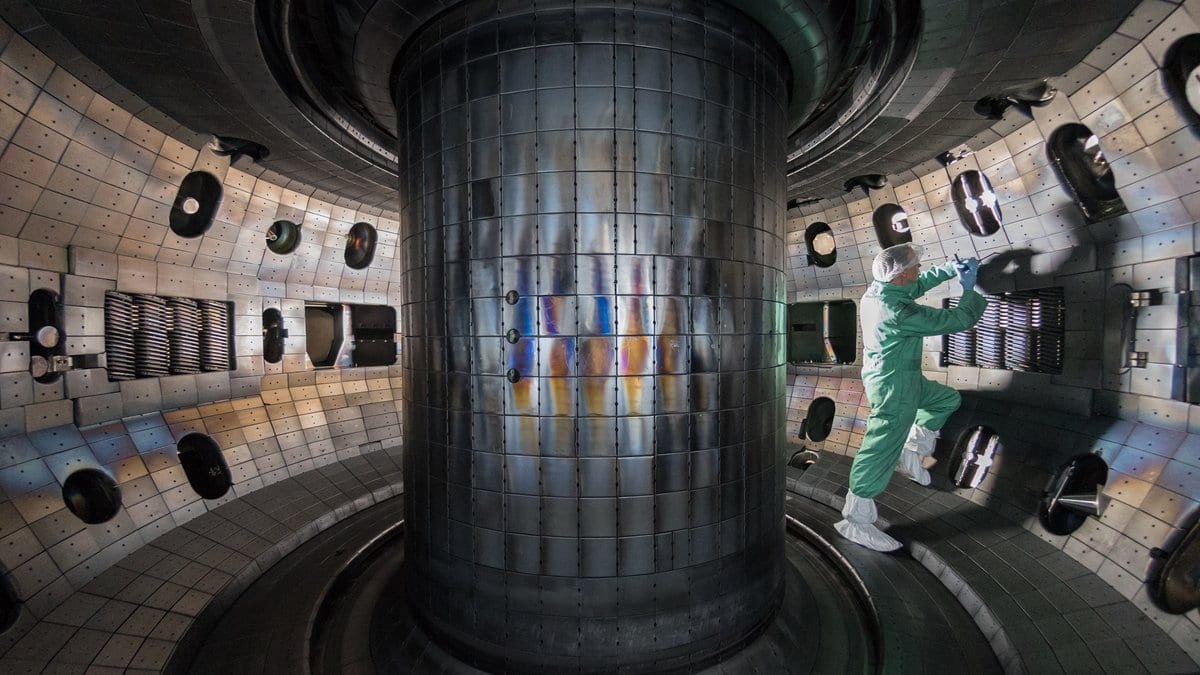
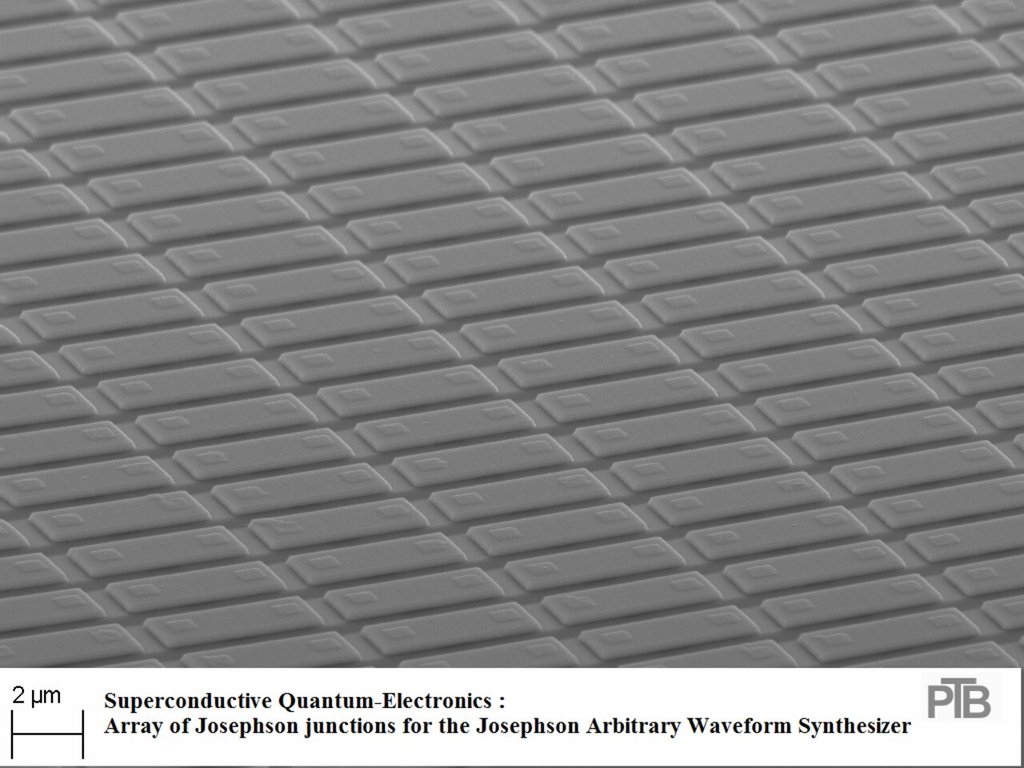
Brookhaven National Laboratory announced Oct. 19, 2026, that it has built chips from superconducting circuits that imitate a neural network and has run three plasma-control tasks on them. Two of the three used data recorded at a working fusion machine; the third ran on simulated data.
The laboratory says the chips are meant for conditions where conventional silicon chips fail, including the plasma inside a tokamak, a large fusion device that holds superheated gas in magnetic fields. Its announcement lists the Princeton Plasma Physics Laboratory, the DIII-D National Fusion Facility and Great Sky, which manufactured the chip, as partners.
Two tasks fed the chip with data collected at the DIII-D tokamak in San Diego, a Department of Energy user facility operated by General Atomics. Brookhaven says that data arrived at one million samples per second and that the chip had no trouble keeping up. Working with that data, the chip spotted readings that do not belong and predicted a disruption, the sudden loss of a plasma. The algorithms came from the laboratory's Computing and Data Sciences AI department.
The third task used no tokamak measurements at all. It ran on simulated readings from TORAX, a tokamak simulator built by Google DeepMind's fusion team, and the chip predicted the onset of sawtooth instabilities, a fast, repeating disturbance in the plasma. Real tokamak data therefore carried the first two tasks, and the sawtooth prediction was shown only in simulation.
Brookhaven calls the chips first-of-a-kind and says the team is writing a paper on the work; none has been published. DIII-D Director Richard Buttery said the facility is "ready to integrate this chip and learn how it can impact diagnostics and control during our next experimental campaign." Steven Cowley, laboratory director of the Princeton Plasma Physics Laboratory, said of the chip's speed: "That's a real step toward practical fusion power."
The laboratory expects to demonstrate a next-generation chip with a neural network 10 times larger at Brookhaven in early 2027, followed by installation at the DIII-D tokamak later that year.