A Liver Biopsy Found Gene Editing Had Corrected More Than Half the Faulty Gene Copies
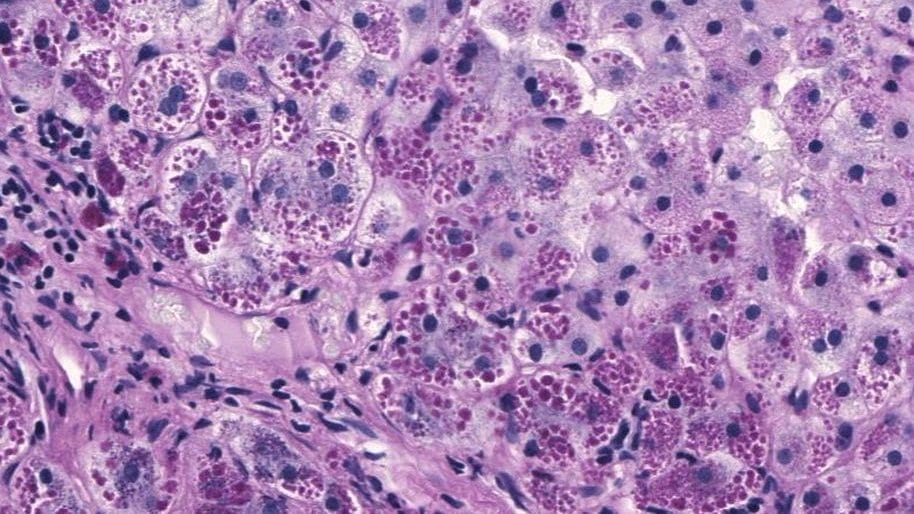
Doctors in Germany and China have biopsied the liver of a patient treated with gene editing given inside the body, and report that the inherited fault behind his disease was corrected in more than half of the gene copies in that tissue.
The patient has alpha-1 antitrypsin deficiency, an inherited condition in which a misshapen protein collects in the liver while too little reaches the lungs, where it normally shields tissue from damage. In a case report published Nov. 2, 2026, in the Journal of Hepatology, the authors describe correcting the gene itself as a potentially curative approach, because it repairs the underlying genetic defect directly.
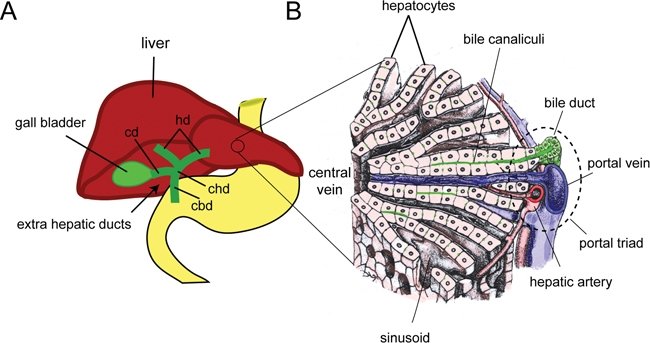
The report comes from Hannover Medical School in Germany and Ren Ji Hospital in Shanghai, and it covers one patient: a 66-year-old man with the PI*ZZ form of the deficiency. He was treated inside YOLT-202, an early-stage phase I/Ia trial registered as NCT07193615. A scan before treatment had found scarring in his liver, and the biopsy was taken 10 weeks after treatment to look at the tissue directly.
The authors report that two sequencing methods put the correction at 54% and 57% of the gene copies in the biopsied tissue, in this one patient. They detected no off-target edits and none at neighboring bases, and the tissue showed no inflammation.
The paper also reports that liver enzymes rose briefly after treatment and returned to their earlier level, and that monthly measurements through follow-up showed a steady amount of the protein in the blood, still able to block the enzyme elastase.
In vivo base editing means changing a single DNA letter inside the body, and the authors call their report "the first clinical case with direct assessment of hepatic gene correction by liver biopsy following in vivo base editing." Their own conclusion is that the result supports the feasibility and potential of the approach, a judgment resting on this single case.
Several of the paper's authors are employees of YolTech Therapeutics in Shanghai, and its conflict-of-interest statement records that some of them sit on the trial's safety committee.
Sources
- Journal of HepatologyPeer-reviewed
Medical Disclaimer: This content is provided for general informational and educational purposes only. It is not medical advice and should not be used as a substitute for professional medical advice, diagnosis, or treatment. Always consult a qualified healthcare professional regarding any medical condition, concern, symptom, or treatment decision.