A New Method Compressed Medical Scans up to 183-Fold, Its Authors Report
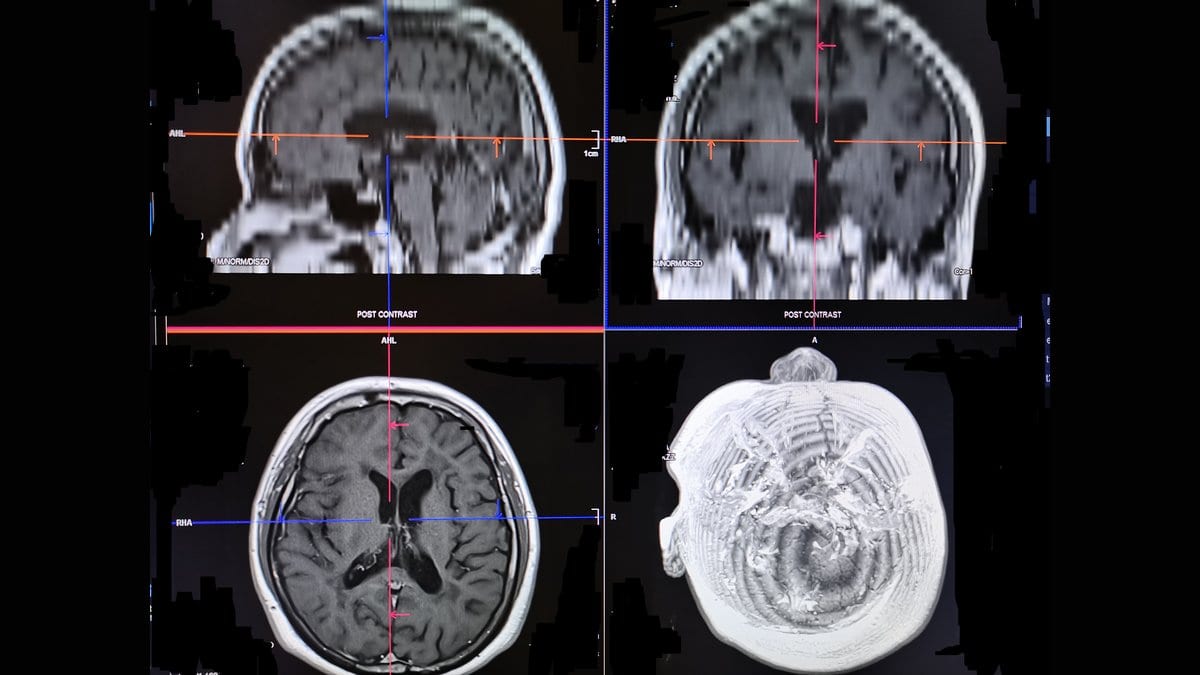
Hanxiao Song, Dong Zeng and colleagues at Southern Medical University in Guangzhou, China, report a compression method that shrank clinical scans by up to 183-fold across five large datasets. It works one image at a time, fitting a small neural network to a single scan and then compressing the network itself. The work appeared Nov. 3, 2026, in Communications Engineering.
The authors say their target is storage: newer scanners and digitized pathology slides sharpen diagnosis but produce datasets that strain hospital computing, and existing compression either gives up faint diagnostic detail in favor of what the human eye notices or fails to carry across imaging types and diseases.
The paper calls the method DSIN and describes it as an implicit neural representation, a network that stands in for one image, with an added stage that cuts the stored model's size while keeping reconstruction quality. The tests span CT, MRI, PET, CT angiography and digitized tissue slides.
The comparisons are the authors' own. They report that DSIN did better than both established compression methods and other implicit-neural-representation methods when software was asked to outline structures in the rebuilt scans and to sort them into categories. They also describe it as better at preserving organ boundaries and at showing metabolic activity in low-dose PET images.
The authors limit their conclusion to the imaging types they tested, and describe DSIN as an effective compression framework for those. The paper is open access and records funding from China's National Key R&D Program and the National Natural Science Foundation of China. Communications Engineering accepted it Oct. 1, 2026, and is publishing the accepted version ahead of the final edited version of record.
Sources
- Communications EngineeringPeer-reviewed