Five Labs Ran the Same Psilocybin Experiments in Mice. The Next-Day Effects Did Not Repeat.
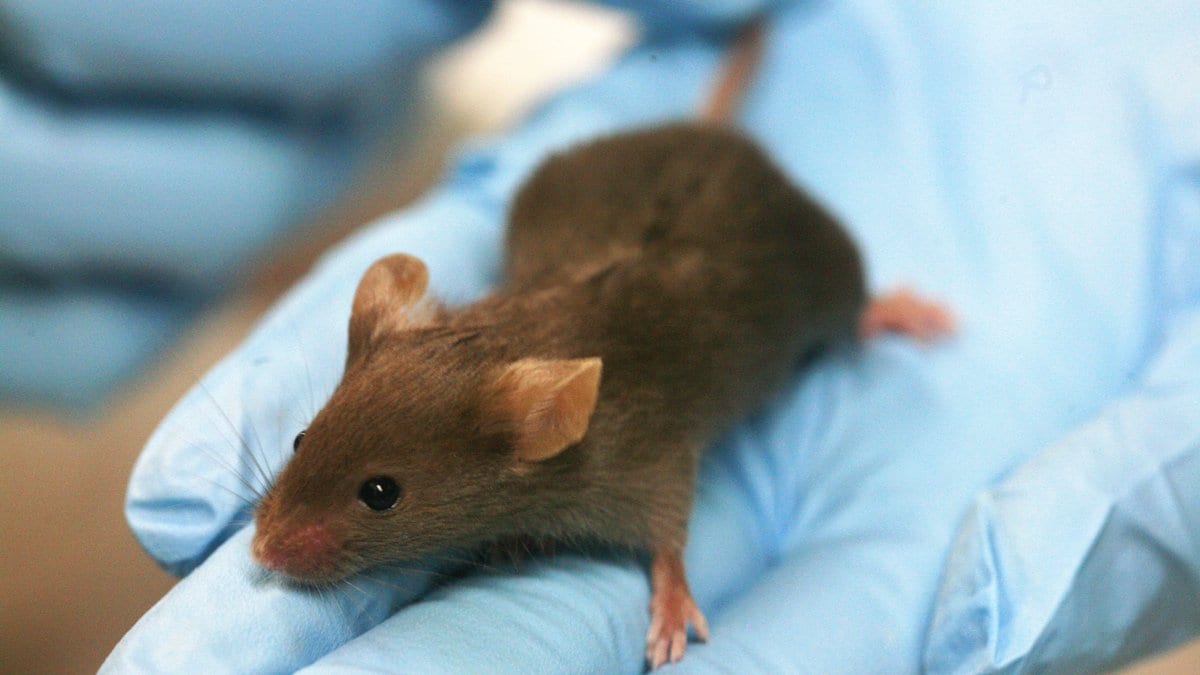
Five laboratories that ran the same psilocybin experiments in mice found that the drug's immediate effects on behavior repeated in every lab, while the longer-lasting effects reported in earlier mouse work did not. Their results appeared Nov. 2, 2026, in Nature Neuroscience.
Mouse studies of psychedelic drugs are appearing quickly, and the consortium's paper says their reliability is still uncertain. The five laboratories, which call themselves the Psychedelic Bay Area Animal Neuroscience Consortium, set out to establish which of psilocybin's effects on mouse behavior are robust and replicable.
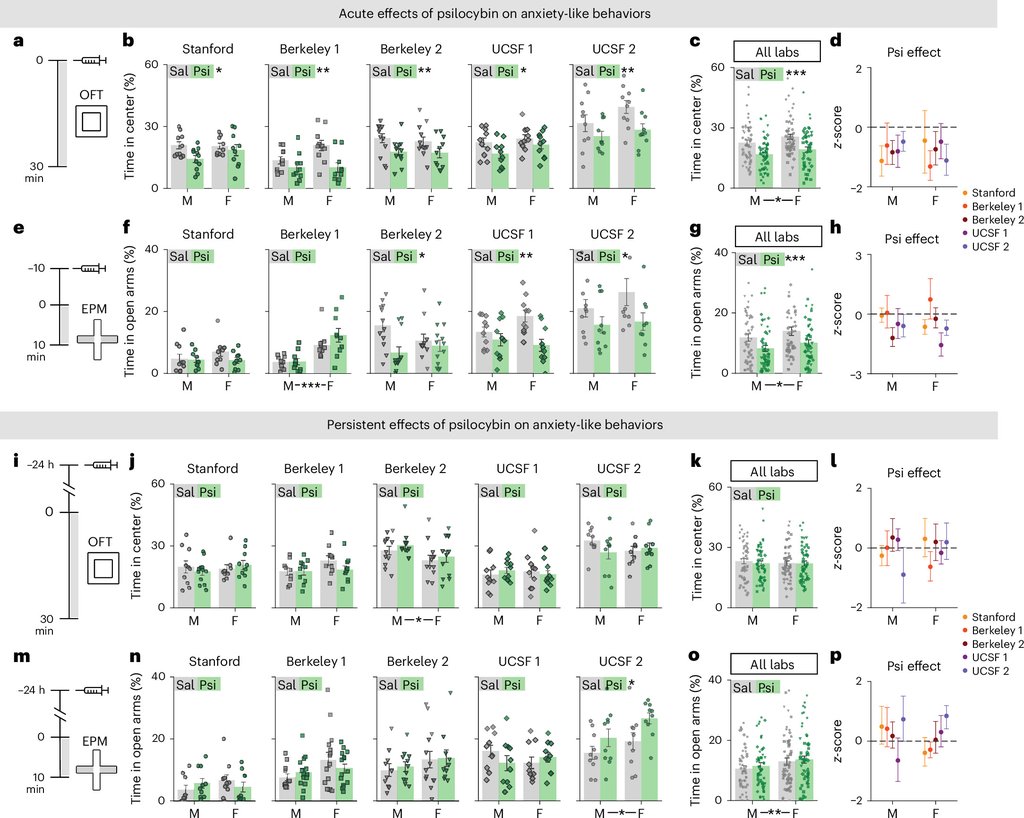
The consortium reports that psilocybin "acutely increased anxiety- and avoidance-related behaviors and decreased fear expression in a robust and replicable manner." Mice given the drug spent less time in open space and explored unfamiliar objects less. The direction was toward more avoidance, not less.
At least 24 hours after a single dose, the effects did not hold up. The authors write: "Surprisingly, however, psilocybin did not have replicable effects 24 h after administration in terms of reducing anxiety- and depression-like behaviors or facilitating fear extinction learning." The consortium also found no effect on the mice's interest in other mice or on social reward learning. Its own reading is that some of psilocybin's reported persistent effects in mice "may be modest and/or inconsistent." The experiments were in mice, and the paper makes no claim about psilocybin in people.
Each laboratory gave the drug as a single injection, 2 milligrams per kilogram of body weight, to male and female C57BL/6J mice, a standard laboratory strain. The paper reports about 200 male and female mice. Dose, strain, age and protocol were agreed in advance. Apparatus dimensions and the time of day were deliberately left to vary between laboratories, on the reasoning that a robust effect should survive such differences.
Mouse experiments are part of the evidence behind the current interest in psychedelics as fast, long-lasting treatments for depression, anxiety and post-traumatic stress disorder. The paper notes that psilocybin is one of the psychedelic drugs granted Breakthrough Therapy status by the Food and Drug Administration, which speeds its review.
Sources
- Nature NeurosciencePeer-reviewed

Medical Disclaimer: This content is provided for general informational and educational purposes only. It is not medical advice and should not be used as a substitute for professional medical advice, diagnosis, or treatment. Always consult a qualified healthcare professional regarding any medical condition, concern, symptom, or treatment decision.