Weekly Injection Cut Nighttime Breathing Pauses in Two Sleep Apnea Trials
Two phase 3 trials report that over 80 weeks, a weekly injection of retatrutide, an experimental drug, cut how often adults with moderate to severe obstructive sleep apnea stopped or nearly stopped breathing in their sleep, by more than a placebo did. The results were published online Oct. 20, 2026, in the New England Journal of Medicine.
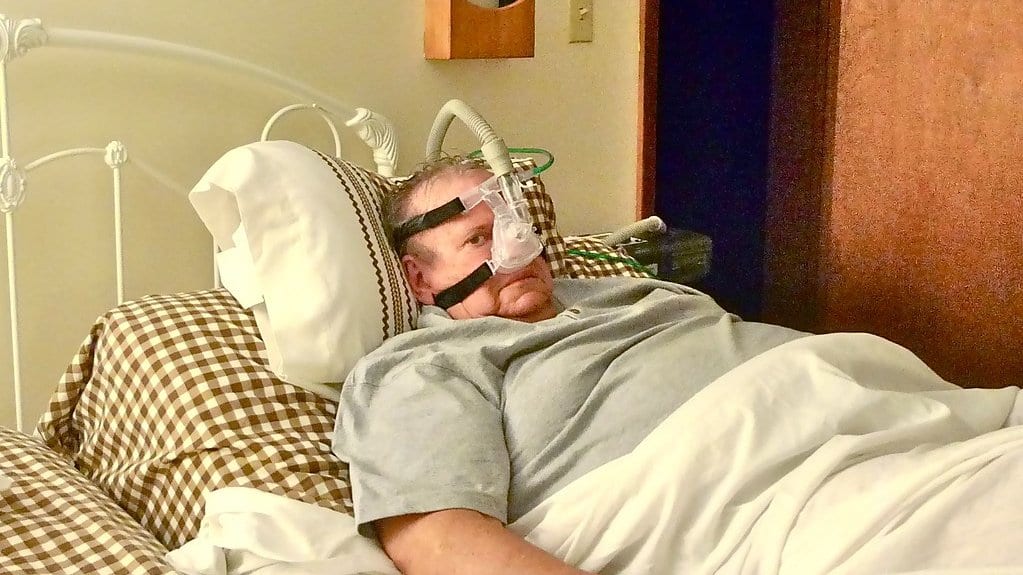
In obstructive sleep apnea, the airway closes repeatedly during sleep, and the condition is usually managed with a mask that holds the airway open with pressurized air. The authors of the two trials, TRIUMPH-1-OSA and TRIUMPH-2-OSA, write that the drug may be useful for treating it. Retatrutide acts on three hormone receptors at once.

TRIUMPH-1-OSA randomly assigned 243 adults and TRIUMPH-2-OSA, 448, all of them overweight or obese. Before treatment, participants averaged 58.6 and 55.9 interruptions an hour of sleep, close to one a minute. Each trial tested three doses against placebo. Ronald R. Grunstein of the Woolcock Institute of Medical Research in Macquarie Park, Australia, and colleagues report that the 9-mg dose lowered that count by 24.4 an hour more than placebo at 80 weeks in TRIUMPH-1-OSA. In TRIUMPH-2-OSA, whose participants also had type 2 diabetes, the same dose lowered it by 14.4 an hour more than placebo.
Those figures come from the trials' primary analysis, which handled participants whose treatment appeared to fail under a separate statistical rule. An analysis that included everyone randomly assigned gave almost the same differences.
Mean body weight fell by 12% to 22% across the retatrutide doses in the two trials, against about 5% on placebo, a secondary measure. The most common adverse events were gastrointestinal. Eli Lilly funded both trials, and company employees are among the authors.
Both sleep apnea trials sat inside larger trials of once-weekly retatrutide, which the paper calls investigational.
Sources
- New England Journal of MedicinePeer-reviewed

Medical Disclaimer: This content is provided for general informational and educational purposes only. It is not medical advice and should not be used as a substitute for professional medical advice, diagnosis, or treatment. Always consult a qualified healthcare professional regarding any medical condition, concern, symptom, or treatment decision.