Where Peat Is Warmer, the Gene That Makes a Mercury Toxin Is Scarcer
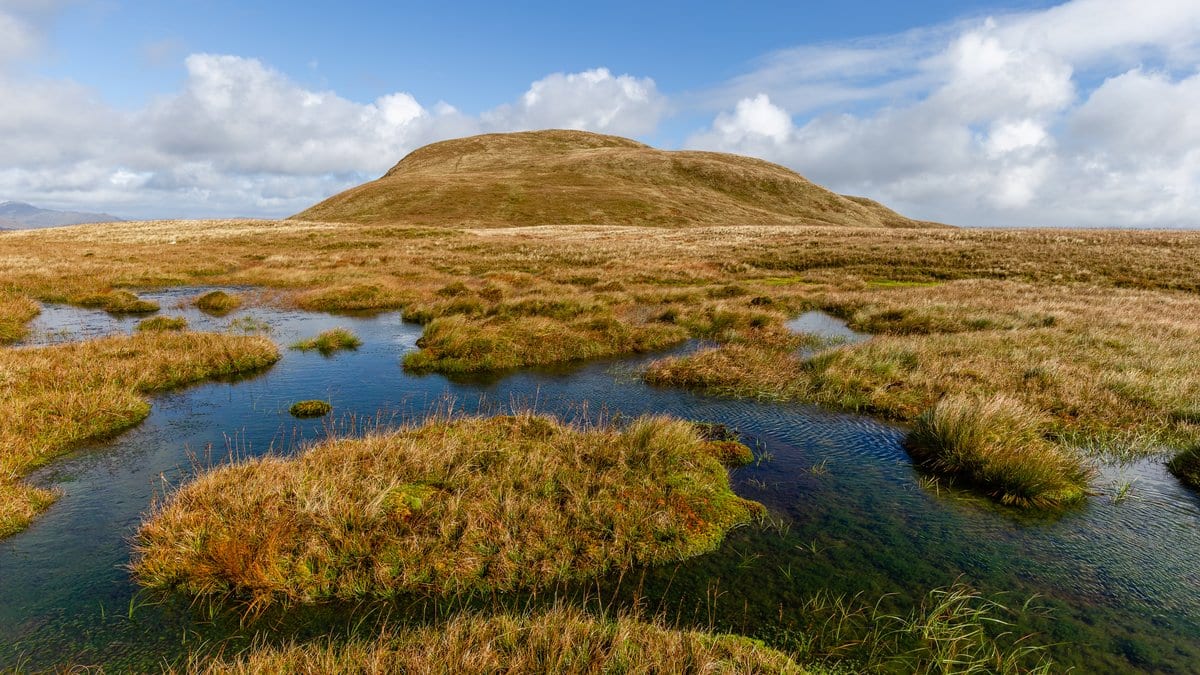
Microbial DNA from 144 peat soils shows that the gene for making mercury's most toxic form is more common in cold peat at high latitudes, while the gene that breaks that form down is more common in warmer peat. Chutong Liu, Shucheng Xie and colleagues at the China University of Geosciences in Wuhan and the Swedish University of Agricultural Sciences published the result Oct. 25, 2026, in Communications Earth & Environment.
The paper calls peatlands major global mercury reservoirs that are highly sensitive to warming, yet the effect of climate on the microbes that control methylmercury, the neurotoxic form that builds up in food chains, has been unclear. The study set out to assess how that production varies with climate.
The team combined metagenomes, the pooled DNA of a whole soil community, from earlier studies with new measurements of its own. Across the 144 soils, two genes ran in opposite directions against mean annual temperature. One is hgcA, which microbes use to methylate mercury, turning it into methylmercury. The other is merB, which demethylates the compound, breaking the toxin back down.
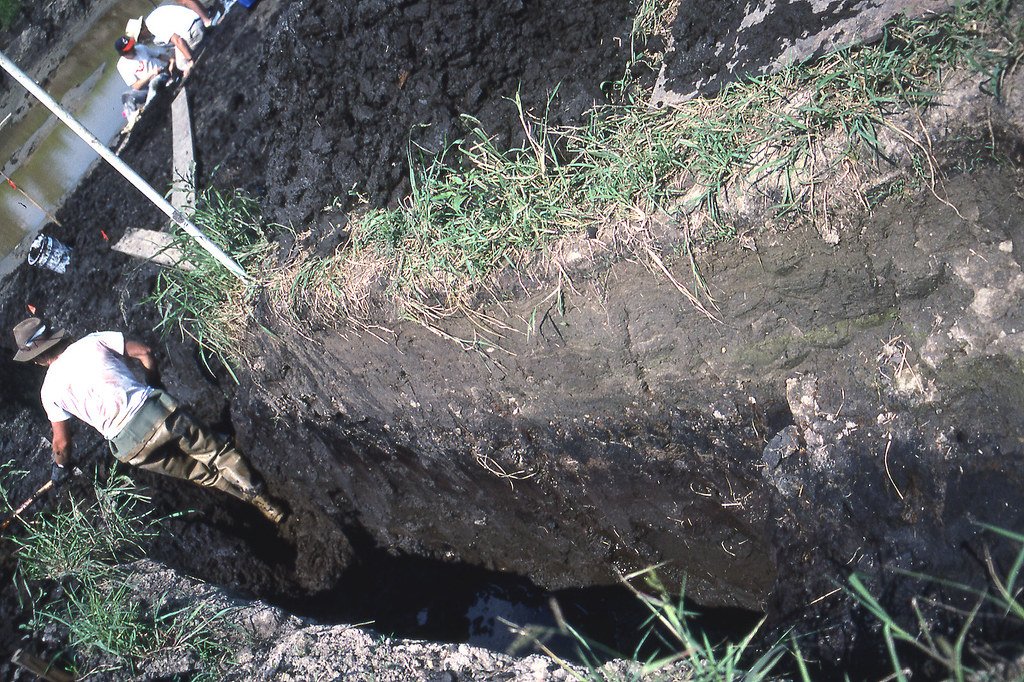
The authors also report that the ratio of two nitrogen-cycling genes moved with both mercury genes, which they read as a link between the nitrogen and mercury cycles. Microbes carrying hgcA in warmer peatlands had expanded sets of genes for turning nitrogen compounds into gas.
What the study measured is the abundance of these genes relative to the rest of the community, not how much methylmercury a peatland produces. The temperature pattern is a correlation across places, not a change over time. On that basis the authors write that warmer climates may be associated with a restructured microbial community and lower net methylmercury production. Reading today's warm peatlands as a stand-in for the future, an approach they call space-for-time, they say yields of the toxin could fall under future warming.
Most of the dataset is other groups' public metagenomes, credited by name in the paper. The journal released this peer-reviewed accepted version ahead of the final Version of Record, open access, with the peer review file alongside.
Sources
- Communications Earth & EnvironmentPeer-reviewed