Pancreatic Cancer Vaccine Trained the Immune System but Did Not Delay the Cancer's Return
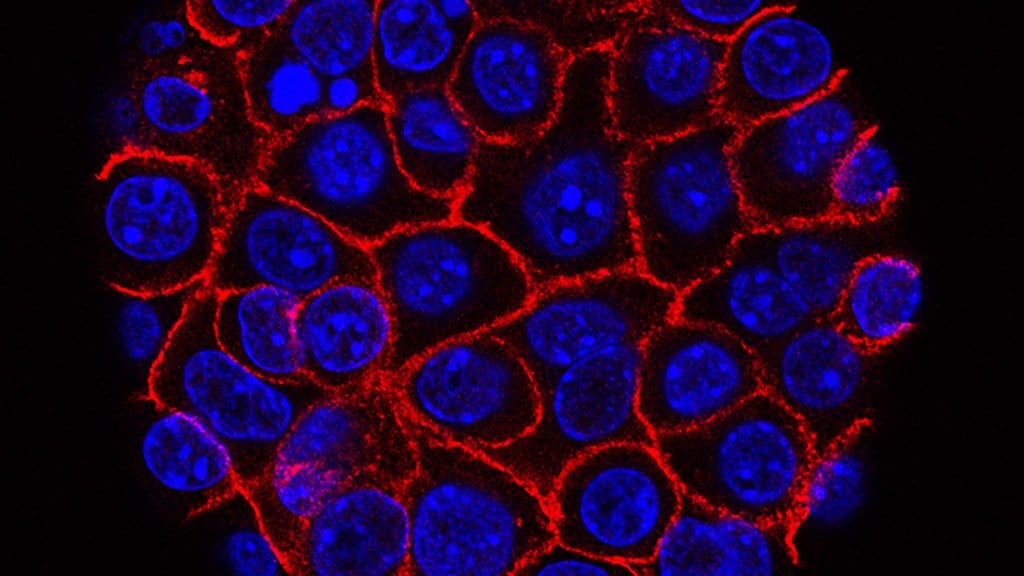
A vaccine built to turn the immune system against pancreatic cancer did not delay the disease's return in a randomized trial, Ben George and colleagues reported Oct. 23, 2026, in Nature Medicine. Patients who received it went a median 23.8 months before their cancer came back or they died, against 21.2 months for patients who were monitored without treatment, and the authors report that the trial's primary goal was not met.
The vaccine, camupepimut, contains seven forms of a mutated protein called KRAS, the main driver of most pancreatic cancers. The authors describe it as an off-the-shelf injection meant to raise T cells that recognize those mutations and attack the cancer cells left behind after surgery, which is the only treatment that can cure the disease and is often followed by relapse.
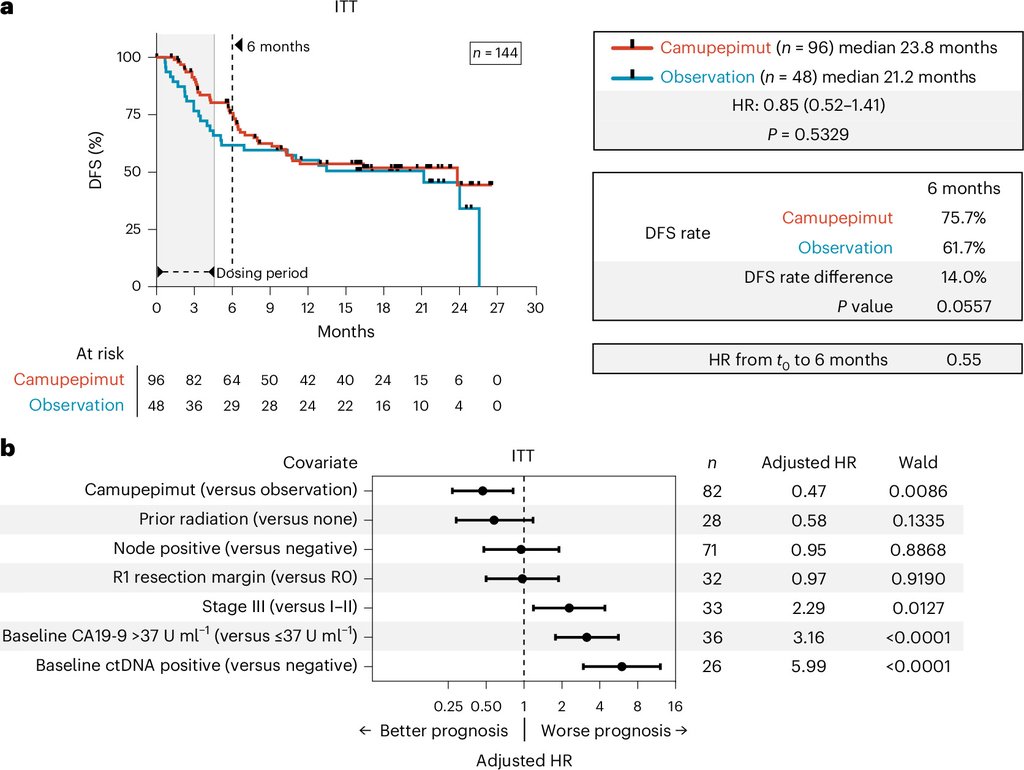
AMPLIFY-7P enrolled 144 patients whose tumors had been surgically removed and carried one of the targeted mutations, assigning them at random to the vaccine or to observation. Median follow-up was 19.4 months. Side effects were comparable between the two groups, the authors report.
The immune response the vaccine was designed to produce did appear. Of 90 treated patients whose blood could be analyzed, 89 developed T cells against the mutated KRAS proteins, with a median 44.3-fold rise over their own starting level. That analysis is exploratory, the authors say, and it does not alter the trial's main result.
Several comparisons in the paper did favor the vaccine: among patients with no tumor DNA detectable in their blood at the start, among those who had not previously had radiation, and among those whose T cell response was strongest. The paper labels these as prespecified subgroup analyses and as exploratory ones. None of them is the comparison the trial was designed to make.
Whether the vaccine helps anyone live longer is not yet known. Overall survival data are not mature and are not included in the paper, the authors report, and they say the results will shape the design of a phase 3 trial.
Sources
- Nature MedicinePeer-reviewed

Medical Disclaimer: This content is provided for general informational and educational purposes only. It is not medical advice and should not be used as a substitute for professional medical advice, diagnosis, or treatment. Always consult a qualified healthcare professional regarding any medical condition, concern, symptom, or treatment decision.