Brain Cells Change Fast in Childhood, Then Barely at All Until Old Age
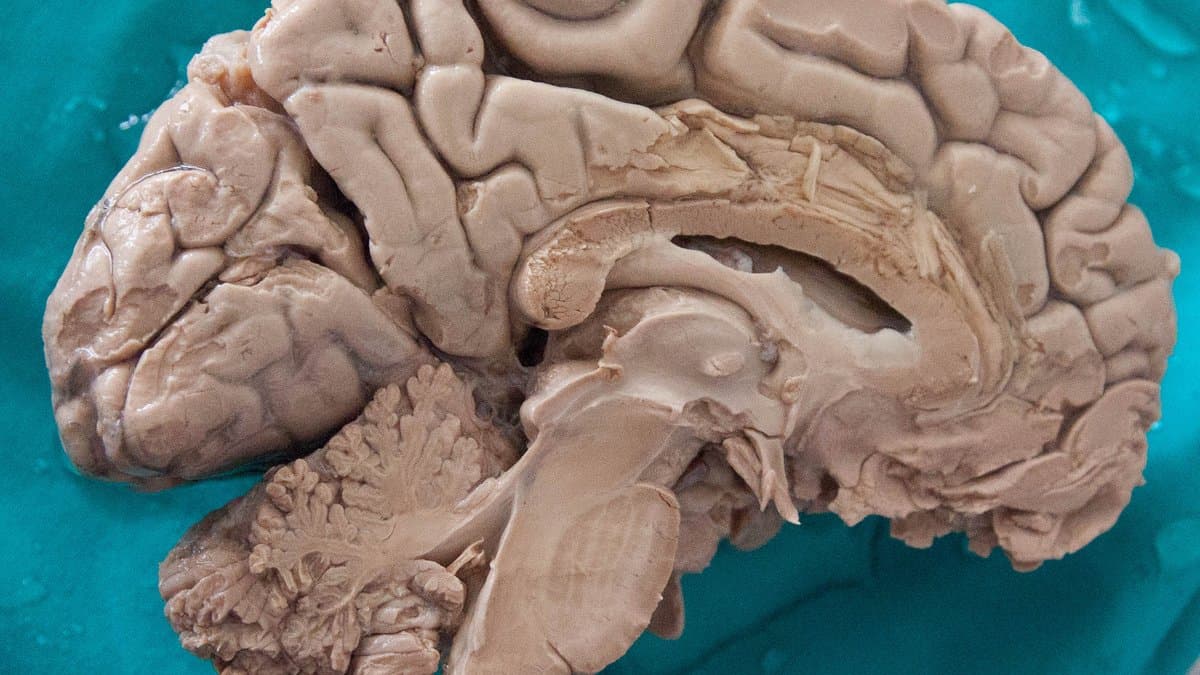
Researchers with the PsychAD Consortium have mapped gene activity in 1.3 million individual cell nuclei from the dorsolateral prefrontal cortex, a front-of-brain area used for planning and reasoning, taken from 284 donated brains spanning infancy to late adulthood. The work was published Sept. 23 in Nature.
The authors say no lifespan reference of this kind existed for the region. Earlier single-cell work covered narrow age ranges or brains already affected by disease, which made normal development and aging hard to separate from illness. The atlas is offered as that baseline.
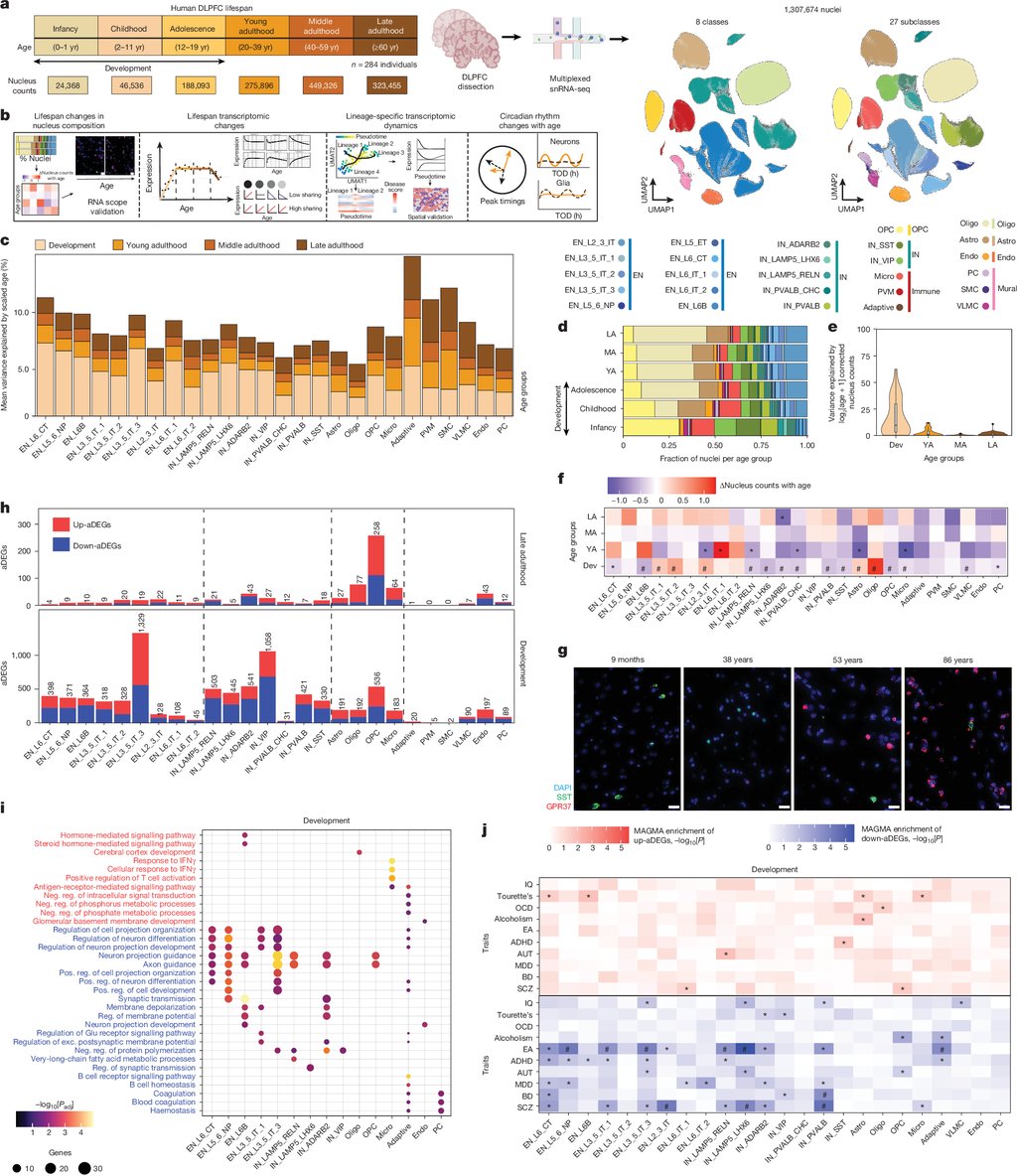
The authors report that gene activity in the region moves through three phases. During development, 8,223 genes changed with age, most of them in neurons. Young adulthood produced 27 such genes and middle adulthood one. In late adulthood the changes returned, with 735 genes. More of them were in glial cells, the brain's support cells, than in neurons. The late-life genes involve immune activity, stress responses and a reorganization of the genes that keep daily rhythms.
The mix of cell types settles earlier, with a transition point at age 24, after which the proportions of each type change far less. Some populations keep shifting into old age even so: one class of inhibitory neurons declines, and the cells that insulate nerve fibers become more common.
Genetic risk for psychiatric conditions concentrated in neuron types, while risk for neurological and metabolic conditions sat with immune cells, blood-vessel cells and astrocytes. Those are associations measured across the atlas, not evidence that those cells cause the conditions.
The authors checked the pattern against a separate set of 306 donated brains assembled from published data and report the same directions of change, strongest in development and late adulthood.
Sources
- NaturePeer-reviewed