Rain Makes the Ocean Absorb More Carbon Than Global Estimates Allow For
A global analysis by researchers at Columbia University and the University of Notre Dame reports that rain makes the ocean absorb 13.6% more carbon dioxide than wind alone would drive into it, doubling the highest previous estimate of rain's effect.
Writing in Nature Geoscience on Sept. 23, Carson R. Witte and Christopher J. Zappa of Columbia University's Lamont-Doherty Earth Observatory and Wade R. McGillis of the University of Notre Dame estimate that current global carbon budget figures are probably understating the ocean carbon sink by about 10% because they exclude rain. Those budgets are the world's yearly accounting of where emitted carbon ends up.
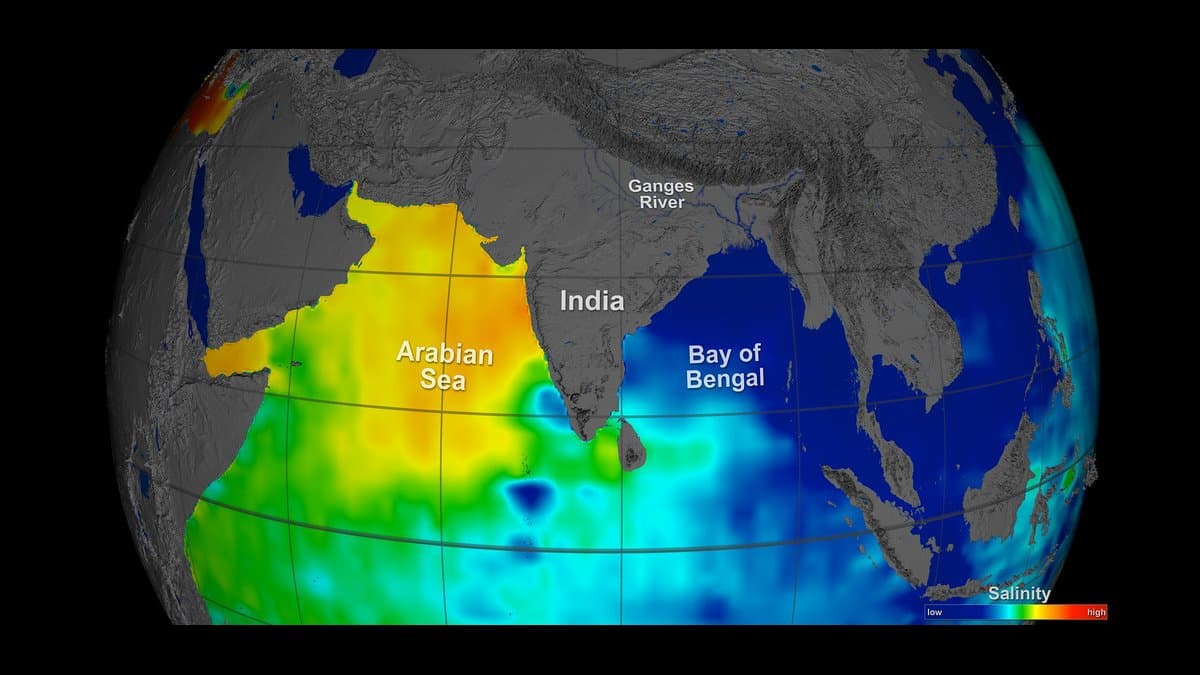
About two-thirds of the extra uptake comes from dilution. Rain drops fresh water onto the sea surface, and that freshening shifts the chemistry that decides how much carbon dioxide seawater will hold. Most of the rest is carbon dioxide carried down inside the raindrops themselves, and turbulence from the impacts adds little in either direction.
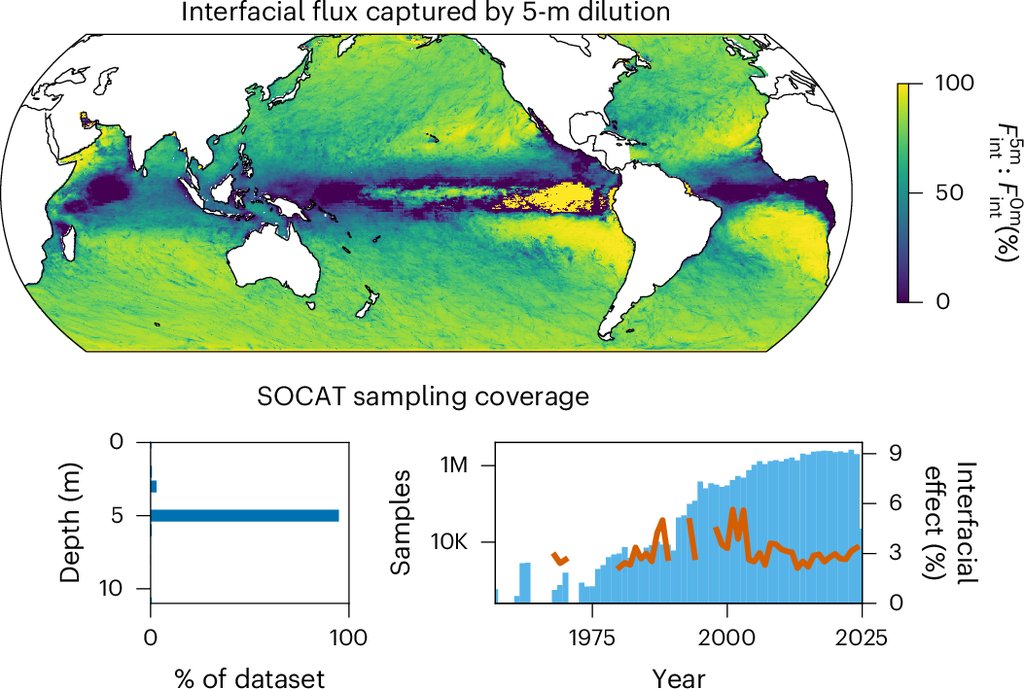
The estimate comes from a physical model of rain-freshened surface layers run against high-resolution satellite rainfall, salinity, temperature and wind data for the year 2000. Freshened water sits in the top few meters of the ocean and can linger for hours after the rain stops, while most shipboard and float measurements of surface carbon are taken at 5 meters, below it.
The authors say they know of no measurement of carbon dioxide exchange made inside a rain layer at sea, and they call for coordinated observations of the ocean's top meters during and after rain. The paper is open access, and the code for the core analysis is publicly posted.
Sources
- nature.comPeer-reviewed
