Arctic Sea Ice Has Stopped Shrinking for the Year, Tied for 10th Lowest on Record
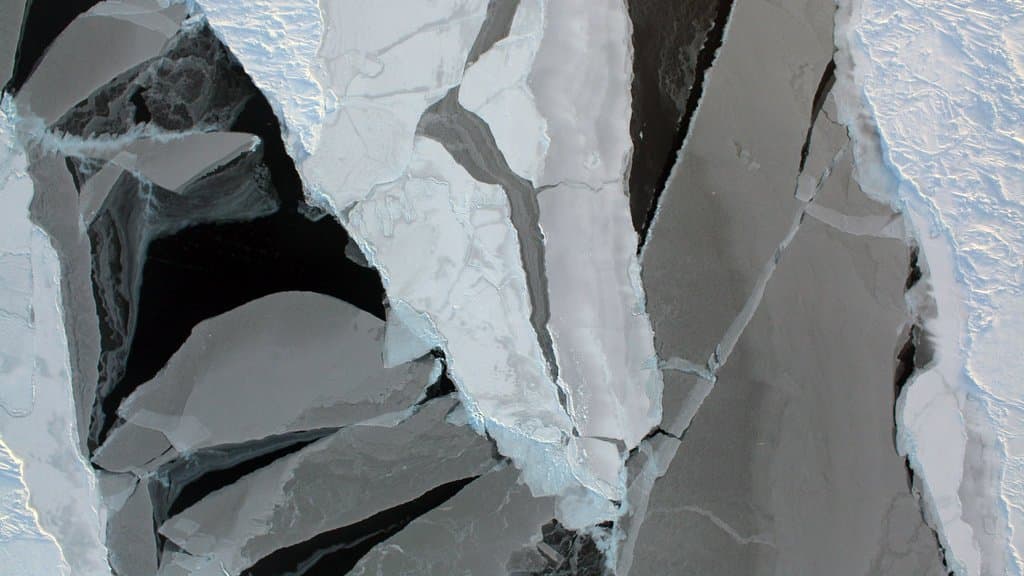
The National Snow and Ice Data Center announced that Arctic sea ice most likely reached its annual low on Sept. 12 at 4.60 million square kilometers, tying this year with 2008, 2010 and 2025 for the 10th lowest minimum in the satellite record.
According to the center, the 20 lowest minimums in that record have all occurred in the last 20 years. It put this year's ice cover 1.62 million square kilometers below the 1981–2010 average minimum, a gap it compares to the loss of an area the size of Alaska.
NSIDC calls the announcement preliminary: changing winds or late-season melt could still push the extent lower, and the center plans to publish a full analysis of the melt season in early October.
NSIDC puts the long-term downward trend in the Arctic minimum at 11.8% per decade across the full record. The center attaches a caveat to its own figure: September minimums have shown no significant decline over the past two decades, and the causes of this flattening are under active debate among Arctic scientists. Every year since 2007 has still had a lower minimum than any year before it in the record.
At the other pole, NSIDC reported that Antarctic sea ice most likely reached its winter maximum on Sept. 14 at 17.59 million square kilometers, which would be the third lowest Antarctic maximum on record if that date holds. The center notes that extent swings widely near the Antarctic maximum, so the date often takes time to confirm.