Skip to content
See the World Through ScienceA project of ALLATRA
Source: Peer-reviewedNature1 source

Some of Your Proteins Are Not the Ones Your Genes Ordered
Science

Republish this story

Our work is licensed under Creative Commons BY-NC 4.0. You may republish this piece for free — with credit to ALLATRA Media and a link to the original, unedited beyond length trims, and not for commercial use.

Read the full license

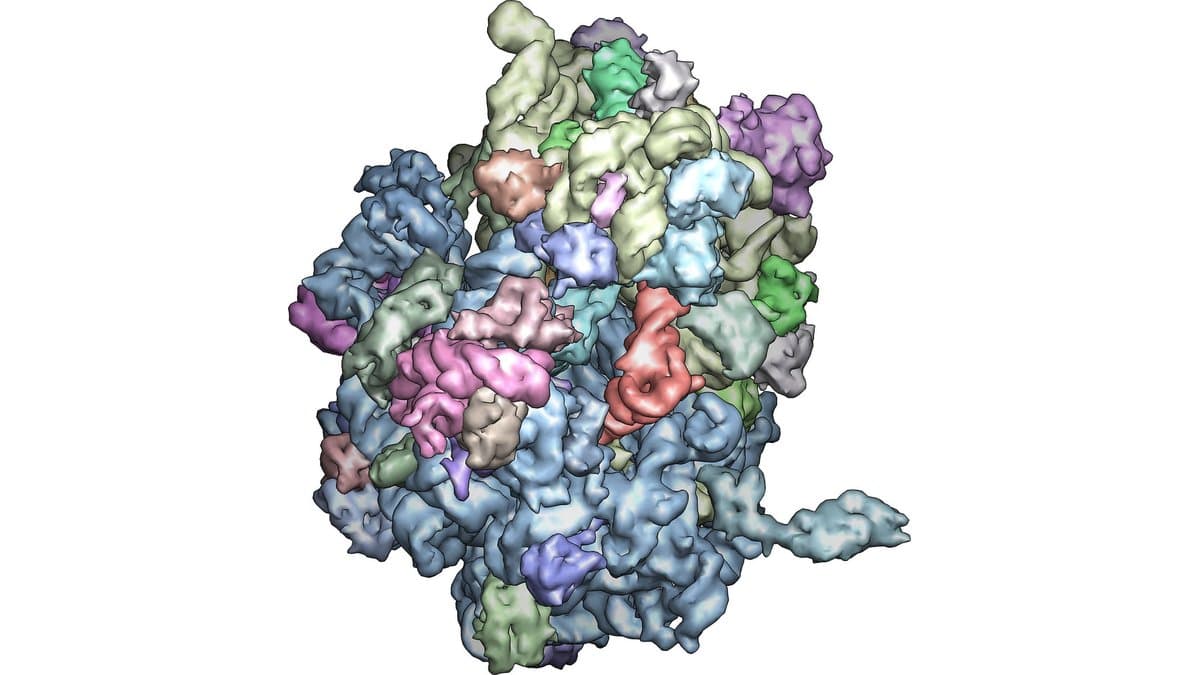
A three-dimensional model of a ribosome, the molecular machine that reads messenger RNA and assembles proteins, with its many subunits shown in different colors.
A structural model of the ribosome, the molecular machine that reads a gene's message and links amino acids into a protein (illustrative)."The Structure and Function of the Ribosome" by National Institutes of Health (NIH), via Flickr, BY-NC · BY-NC

A team at the Weizmann Institute of Science has counted the protein variants that sit in healthy human tissue alongside the standard version of the same protein: 13,910 of them across 29 tissues, covering 7,215 different single-amino-acid swaps. The work was published in Nature on September 14, 2026.
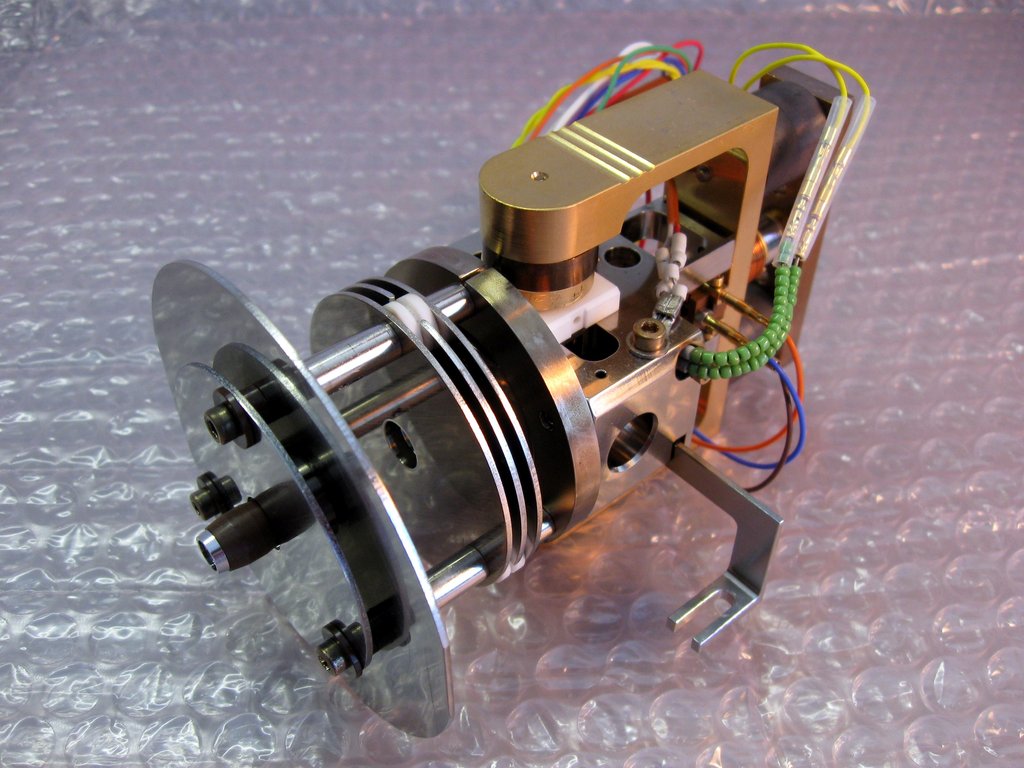
The metal ion source assembly of a mass spectrometer, a cylinder of machined steel with colored wiring, photographed on a bench.
The ion source of a mass spectrometer, the part where molecules are turned into ions before they are weighed. Instruments of this family are what a proteomics survey uses to read amino acid sequences (illustrative). — "Mass spectrometer ei ci ion source" by Fulvio314, via Wikimedia, CC-BY-SA-3.0

Methods to find such variants, count them and work out what they do have been lacking, the authors write. Their survey sets out to measure them across normal tissue.

They come from two directions. Some are written into a person's DNA: inherited differences, or mutations picked up during life. The rest are mistakes: the cell misreads a gene while assembling the protein and inserts the wrong amino acid. For both kinds, how abundant a variant is tracks how common the matching gene variant is in the human population.

Hundreds of the non-genetic versions showed up consistently in more than one healthy person, or landed on parts of a protein already recorded as functional. In laboratory-grown cancer cells starved of amino acids, specific substitution patterns recurred. The authors propose that these non-genetic variants make up a new class of functional variation, and that they open a route into protein sequences the genetic code cannot reach on its own.

The paper also reports experimental confirmation of non-genetic substitution on selected purified proteins. Nature posted the peer-reviewed accepted version and says the final edited version will replace it.

Sources

Spot an error?

Spot an error?

Report an error

Spotted a mistake on this page? Tell us what's wrong and our editors will take a look.

What kind of problem?

Only if you'd like us to be able to follow up. We won't use it for anything else.

We correct mistakes openly. Select any text to flag it. Fixes are logged under our Corrections Policy.

Report an error

Reporting on

Some of Your Proteins Are Not the Ones Your Genes Ordered

What kind of problem?

Only if you'd like us to be able to follow up. We won't use it for anything else.

We read every report. Corrections are logged publicly.