When It Rains, Rivers Deliver Far More Plastic to the Ocean
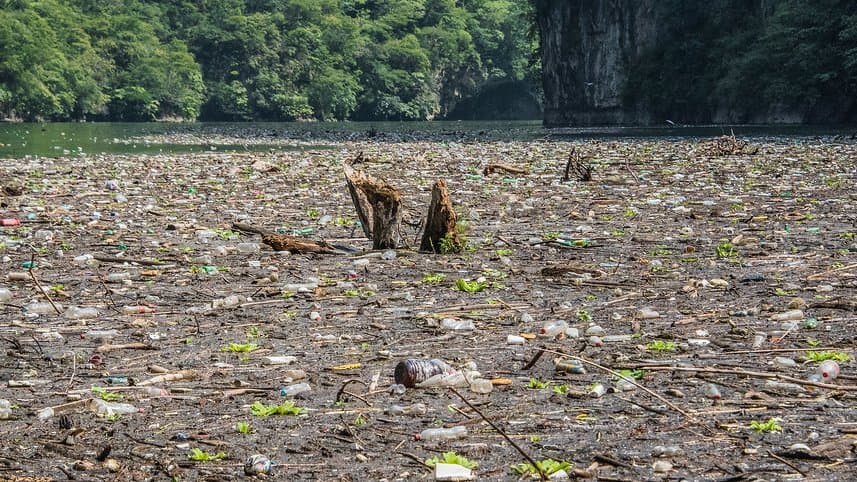
Rivers carry far more microplastic into the ocean than most earlier estimates suggest, and rainfall drives sharp spikes in what they deliver, researchers at Peking University reported Sept. 10 in the journal Science.
Hehao Qin, Xuejun Wang and colleagues assembled a global day-by-day record of how much microplastic rivers hold and how much they send to sea. How much rivers export and what controls that export had not been settled. A daily record separates ordinary days from the days a river runs high.
The researchers found that 96% of this export originated in the Global South, with Southeast and East Asia together contributing more than half of the world total.
About 70% of the world's freshwater flow shows what the study defines as pulse enrichment: rain-driven high flows set off spikes in both the concentration of microplastic and the amount carried downstream. Developing countries account for 80% of these cases.
Without stronger upstream controls on plastic production and waste management, increases in extreme rainfall driven by climate change may intensify those pulses and worsen marine microplastic pollution.
Qin and Wang work at Peking University's Ministry of Education Laboratory of Earth Surface Processes, and their co-authors include researchers at Yale University, Tulane University and Duke University in the United States. The work was funded by Chinese public research agencies, including the National Natural Science Foundation of China.
Sources
- Peer-revieweddoi.org