Rich Countries Can See a Week Ahead as Clearly as Poor Ones See Tomorrow
A seven-day temperature forecast in a high-income country is on average about as accurate as a one-day forecast in a low-income country, two researchers at Columbia University report in a global analysis published Sept. 14 in Nature Communications.
Manuel Linsenmeier of Columbia's Climate School and Jeffrey G. Shrader of the university's School of International and Public Affairs write that weather forecasts carry substantial economic value for society, and differences in their accuracy between regions can worsen existing economic inequalities and create new ones. These disparities matter more because forecasts help prevent damage from climate change.
The analysis reports two findings. Temperature forecasts are much more accurate in high-income countries than in low-income ones. While accuracy has improved steadily since 1985, the gap between the two groups has not closed.
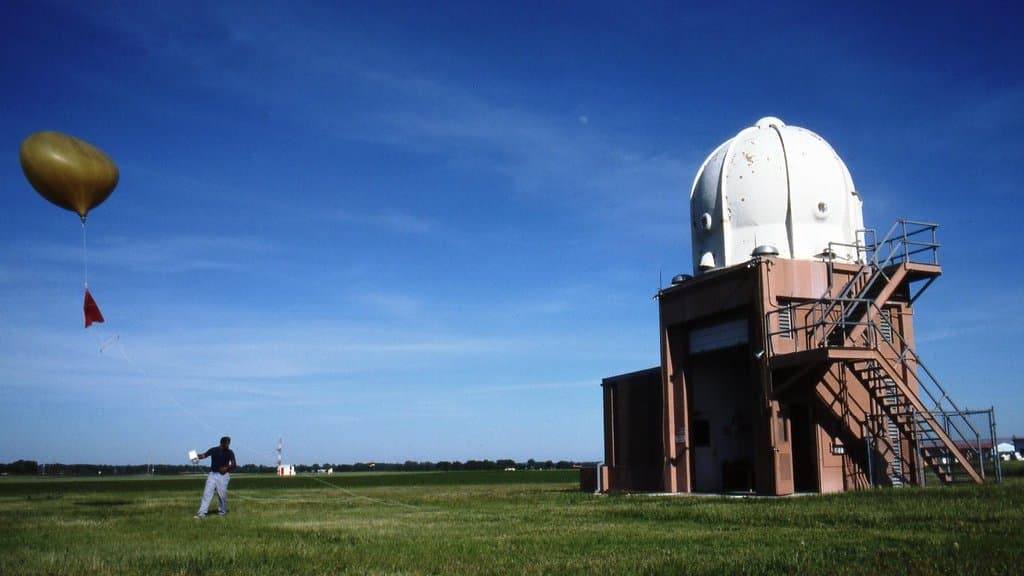
The authors attribute the gap to two causes. Some regions are inherently harder to predict than others; this is a scientific limit, not a problem with equipment. Beyond that, lower-income countries run fewer land-based weather stations and fewer radiosondes, the instruments that balloons carry aloft. The equipment they do have also reports less often.
Low-income countries also appear to have less institutional capacity to issue official local forecasts.
The team recommends that remedying the differences in monitoring infrastructure could help reduce the accuracy gap between higher-income and lower-income countries.
The work was supported in part by the U.S. National Science Foundation.
Sources
- Peer-reviewednature.com