Europe Launches Two Satellites at Once, and One Will Watch Plants Glow
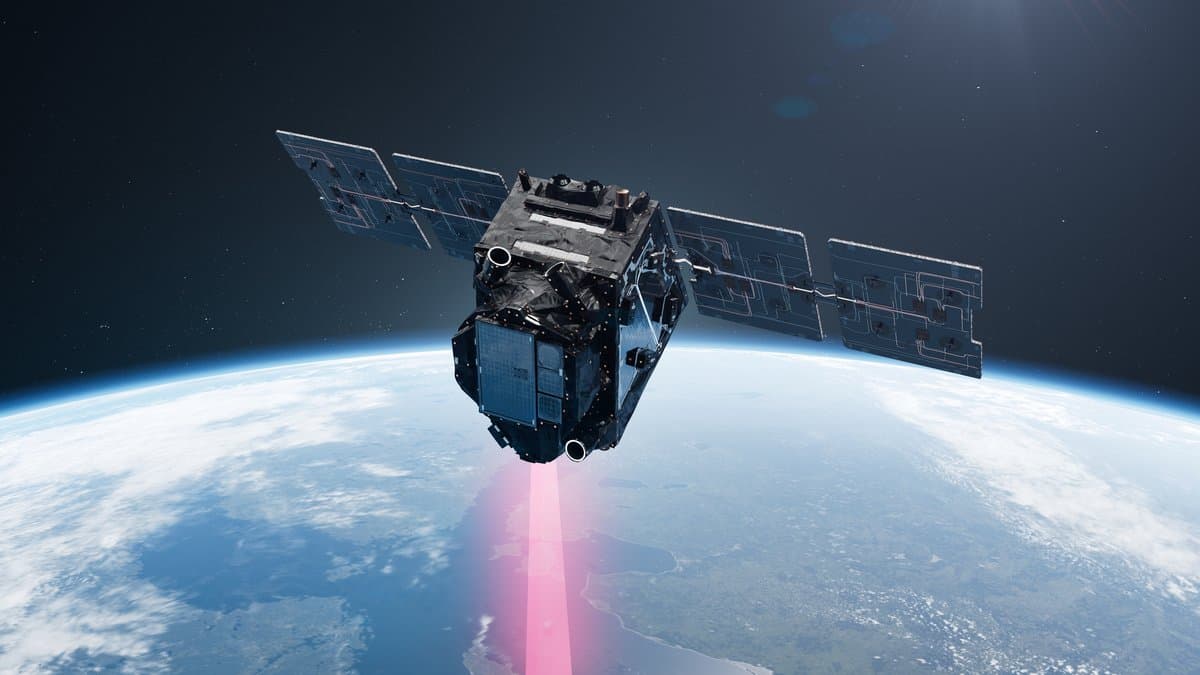
The European Space Agency launched two Earth observation satellites on a single Vega-C rocket from Europe's Spaceport in French Guiana, and says its mission control center in Germany has received a first signal from each. The two spacecraft are the research satellite FLEX and Copernicus Sentinel-3C.
ESA describes FLEX as its first satellite built specifically to measure photosynthesis from space. Its imaging spectrometer is designed to detect the very faint glow that plants give off as they absorb sunlight, a signal that shows how efficiently vegetation is turning sunlight and carbon dioxide into energy.
According to ESA's launch release, flight VV30 lifted off at 03:21 on September 15, or 22:21 local time on September 14. Both satellites flew inside the Vega-C fairing, stacked on a launch adapter called Vespa, with Sentinel-3C on top. Sentinel-3C was released into orbit first, and FLEX followed about an hour later. ESA's European Space Operations Centre then received a first signal from each satellite, confirming that both had separated from the rocket and established contact with ground control. Controllers will spend the coming days checking that both satellites are working as expected.
"Preparing and launching two satellites together is no easy task," said Simonetta Cheli, ESA's Director of Earth Observation Programmes.
Sentinel-3C is the third satellite in the Sentinel-3 series. The series measures ocean and land surface temperatures, ocean color, ice conditions and inland water levels for Europe's Copernicus program. ESA developed the satellite, and once its checks in orbit are complete, Eumetsat will operate it, while FLEX stays under ESA control.
FLEX will first fly in tandem with Sentinel-3A so that its glow measurements can be paired with near-simultaneous observations from that satellite. Sentinel-3C will later be moved into the formation in place of Sentinel-3A. ESA says the launch demonstrated Vega-C's ability to place two Earth observation missions into different orbits. ESA leads the Vega-C program, with Avio as prime contractor and, on this flight, launch service operator.