Arctic Greening Continues, but Its Plants Are Less Able to Recover
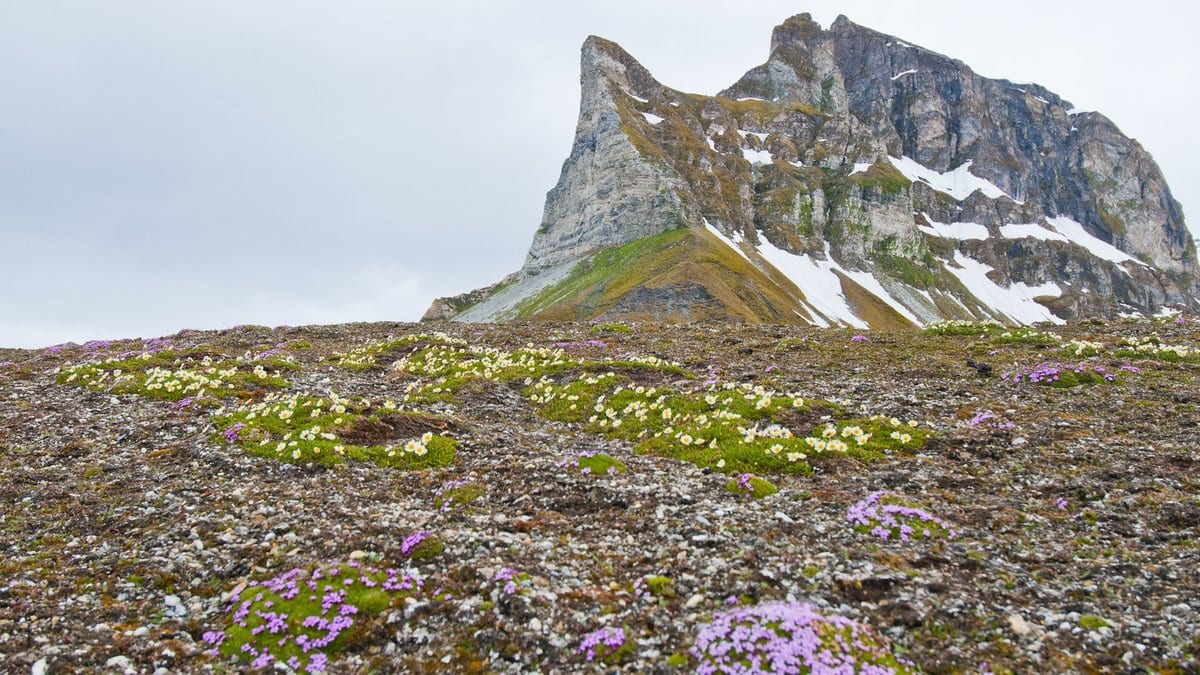
Vegetation across the Northern Hemisphere's permafrost regions has become less able to recover from disturbance since 2008, even as those same landscapes went on getting greener, according to a satellite analysis published Nov. 3, 2026, in Nature Plants.
The analysis covers satellite observations from 2000 to 2023 and was led from the University of Hong Kong. It tracks vegetation resilience, meaning how well plant cover withstands and recovers from a shock such as a fire or a dry spell, over ground that stays frozen year-round. Zhengfei Guo and colleagues report that resilience rose through the early part of the record and then reversed widely after 2008, and that the decline since then signals a destabilization of the carbon these plants take up.
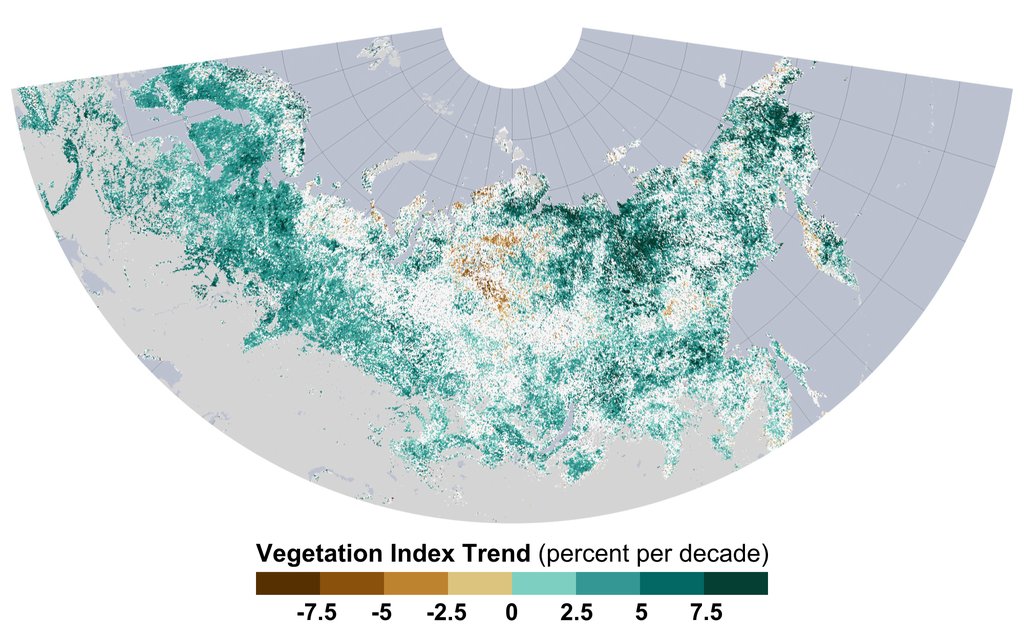
The authors note that the reversal was most strongly associated with intensifying atmospheric drought, or steadily drier air. Analyses of ocean evaporation and the movement of moisture through the atmosphere suggest that changes in the ocean's moisture supply may have contributed to the drying after 2008, and wildfires further amplified resilience losses where they burned.
The paper states that "current models fail to capture this observed reversal, suggesting an underestimation of climate risks to high-latitude carbon sinks." It describes the pattern as a decoupling between greening and resilience: the continued greening does not by itself show that the plant cover is stable. The authors also call for better representation of atmospheric drought, moisture transport and disturbance effects in the models used to project the future of permafrost ecosystems.
Co-authors are based at the Chinese Academy of Sciences in Beijing, the University of Potsdam, the University of Toronto and Sun Yat-sen University. Jian Wang of the Chinese Academy of Sciences and Yuyu Zhou of the University of Hong Kong are listed as the corresponding authors.
Sources
- Nature PlantsPeer-reviewed