Epilepsy Patients Asked an AI What Their Brain Monitor Saw, and It Answered
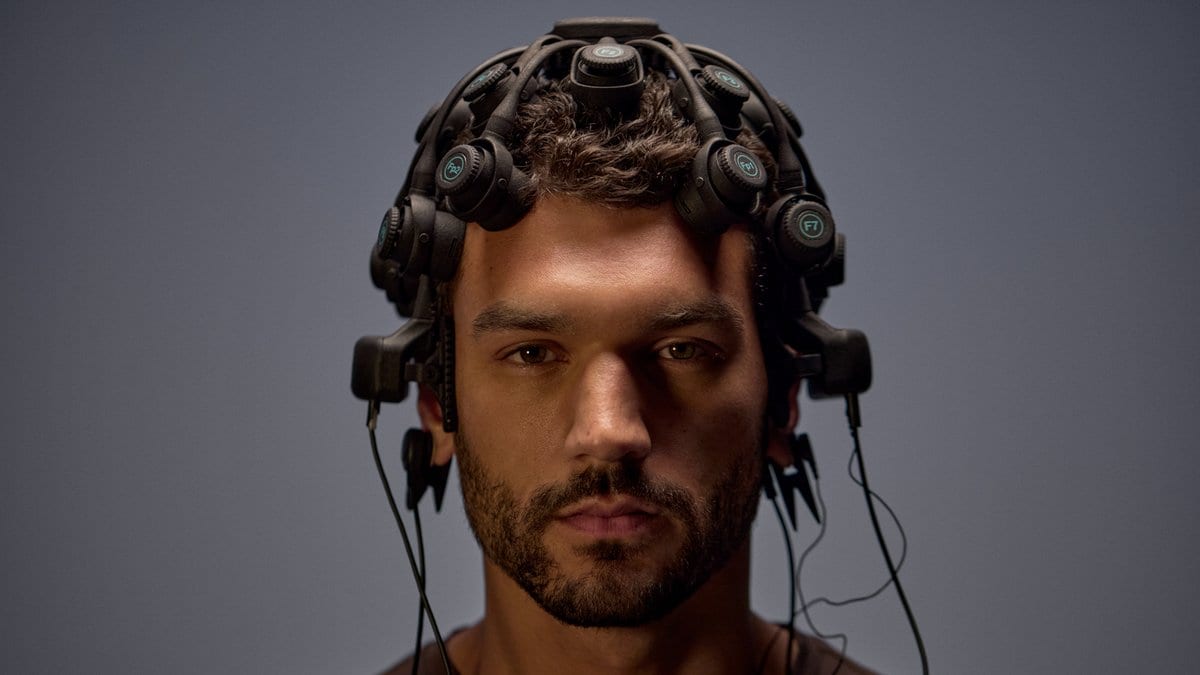
A group at the University of Pennsylvania has built a system that lets people under hospital seizure monitoring message an AI from a smartphone and ask what their own brain recording is showing, and has tested it in 13 patients. The work was published Oct. 13, 2026, in Nature Medicine, which labels it open access.
The authors describe the platform as closing a gap in what a medical device tells the person wearing it. The Nature Medicine paper states that monitors can already flag an oncoming seizure, a missed dose of medication or a dip in attention, but that they pass it to the clinic rather than to the patient. The group calls the platform a proof of concept, makes no claim about an effect on seizures, and says a study in outpatients is planned.
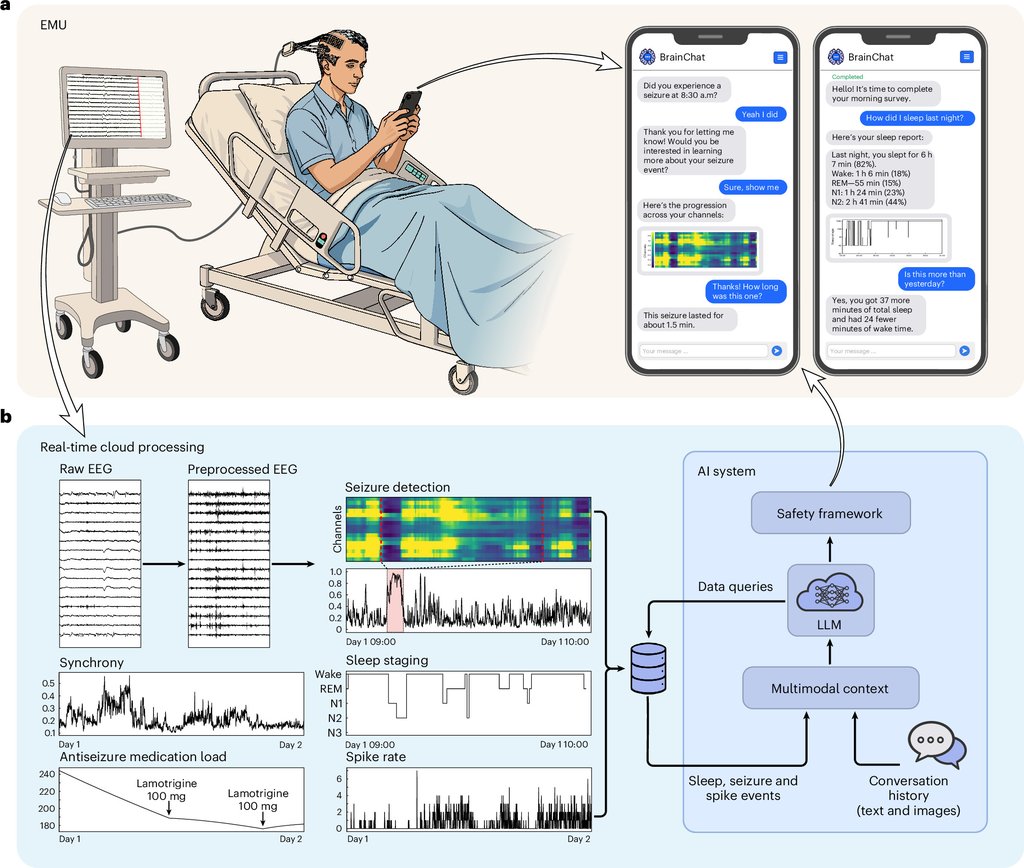
Zack Goldblum, Brian Litt and colleagues enrolled adults admitted to the university's epilepsy monitoring unit for continuous video and EEG monitoring (the electrical recording of brain activity) without changing their treatment. The recordings streamed to a secure cloud service that estimated seizure probability, sleep stage and medication load. A version of OpenAI's GPT-4o-mini running under US medical privacy rules answered patients' questions about those measures, sent alerts and ran short daily surveys. Patients and the system exchanged 1,307 messages, most of them ordinary conversation rather than requests for data.
Patients replied to most of the real-time seizure alerts the system sent them and marked 37.9% of those as false alarms, the kind of label passive monitoring never collects. In a simulated replay of the recordings rather than a live test, the authors report that retraining the detector on patients' answers alone cut its false-alarm rate by about 80%.
The paper states that the Food and Drug Administration has approved three devices to treat epilepsy, and that none of them shares what it records with patients in real time. About a third of the world's 70 million people with epilepsy keep having seizures despite medication.
The authors report that five of the patients asked for access to the platform once they were discharged.
Sources
- Nature MedicinePeer-reviewed

Medical Disclaimer: This content is provided for general informational and educational purposes only. It is not medical advice and should not be used as a substitute for professional medical advice, diagnosis, or treatment. Always consult a qualified healthcare professional regarding any medical condition, concern, symptom, or treatment decision.