Scientists Measure LSD's Grip on Its Main Brain Target
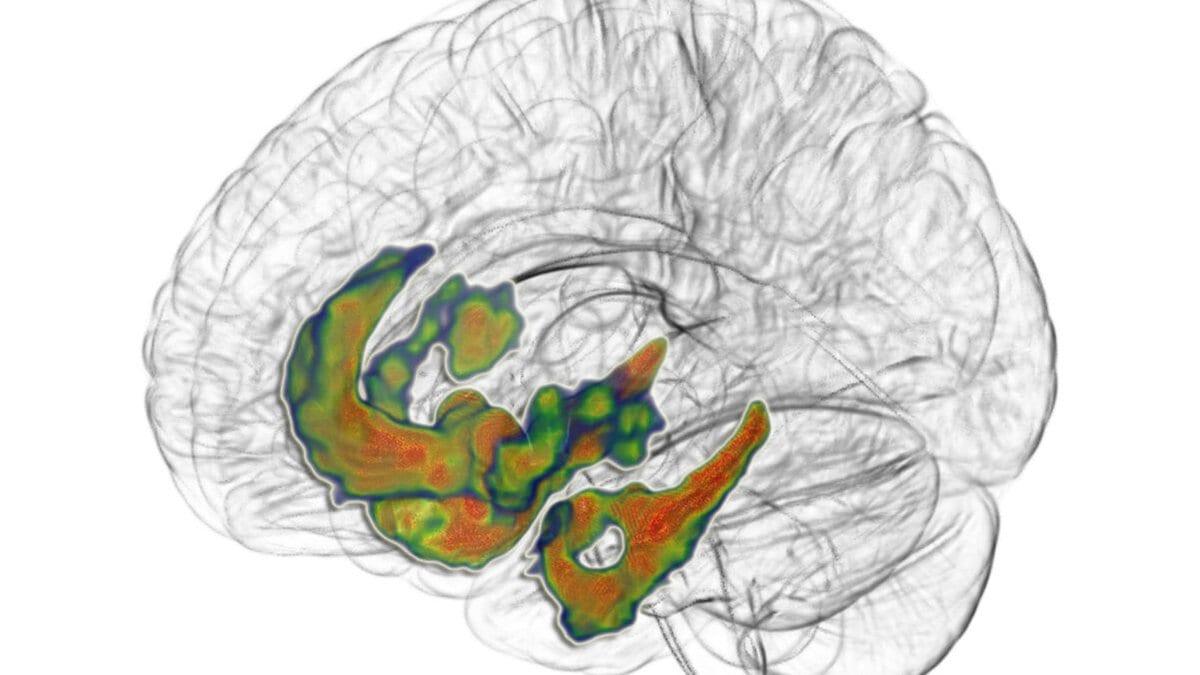
A brain-imaging study has measured how much of LSD's main receptor target the drug occupies in living people, using PET and MRI scans recorded at the same time in seven healthy volunteers who were blinded to the dose they received. It was published Oct. 12, 2026, in Nature Neuroscience.
The authors write that LSD is drawing increasing therapeutic interest, that this check had never been made in a living brain, and that the dose-occupancy relation they report is meant to inform the clinical development of psychedelic drugs. It is a measurement of what the drug does, not a test of whether it helps anyone.
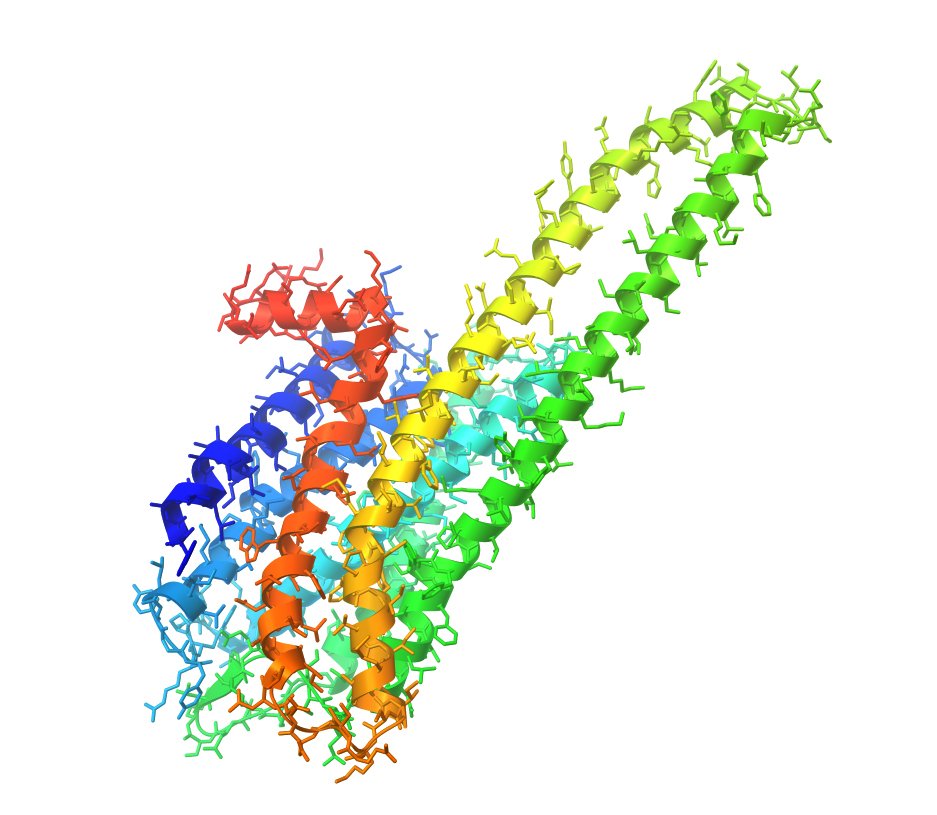
From those seven volunteers, the authors report that LSD occupies the serotonin 2A receptor with high affinity. Blood flow through the brain as a whole rose, and flow through the internal carotid artery rose with it, while a whole-brain measure of how strongly separate regions move together fell. The size of that drop tracked the size of the blood-flow increase, in the opposite direction.
Plasma levels of the drug and the volunteers' reported effects did not rise and fall together but traced a loop, which the authors say points to an unusual relation between the amount in the blood and the strength of the experience.
The team compared the blood-flow and connectivity results against a separate group of 25 participants given psilocybin, and reports that the two drugs produce opposing effects on the connectivity measure, alongside features the two have in common.
The analysis code is posted on GitHub, and the raw scan data sit in the Center for Integrated Molecular Brain Imaging database under restricted access, available by request because of European data-protection rules.
Sources
- Nature NeurosciencePeer-reviewed