Western Eurasia's Grasslands Have Shifted to Hotter, Drier Summers With No Sign of Recovery
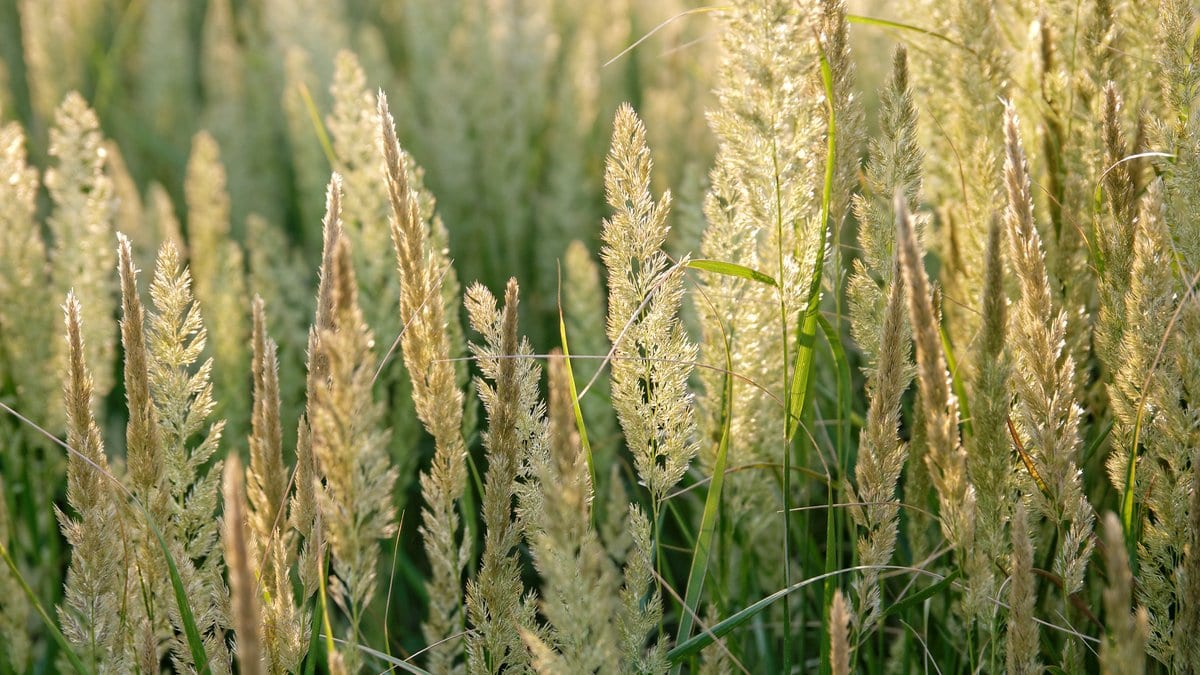
Summers across the semiarid grasslands of western Eurasia have shifted abruptly into a hotter, drier regime, and the drying is now stronger than anything the region's observational record attributes to natural variation. That is the central finding of a study published Oct. 12, 2026, in Nature Geoscience.
The authors present the region as an early warning for other semiarid drylands in the Northern Hemisphere's middle latitudes, where they say comparable feedbacks between land and air could drive similarly abrupt and lasting shifts as warming continues.
The Nature Geoscience paper combines reanalysis data, which blends decades of weather observations into one continuous record, with large sets of runs from single climate models and with simulations from several different models. Across those lines of evidence, the authors identify one abrupt transition rather than a steady trend, and they report no clear sign of recovery at any point in the observational record.
The study separates two contributions. An external push on the climate supplied the background drying, while the climate system's own internal variability sharpened the regional trend over recent decades.
The mechanism it describes runs as a loop. As soil moisture falls, less water evaporates, so less of the sun's energy goes into evaporation and more of it goes into heating the air. The hotter, drier air deepens the water shortfall and makes heat extremes more severe, which dries the soil further. The authors report that this loop has strengthened over recent decades, pushing both the drying and the heat extremes to levels with no precedent in the period they examine, and that it has contributed to widespread land degradation and to a decline in how much carbon the region's plants take up as they grow.
The study lists the climate, soil moisture and satellite datasets behind the analysis as publicly available, noting that its analysis code is available from the corresponding authors on request.
Sources
- Nature GeosciencePeer-reviewed