Liposuction Beat Conservative Therapy for Lipoedema Pain in the First Large Randomized Trial
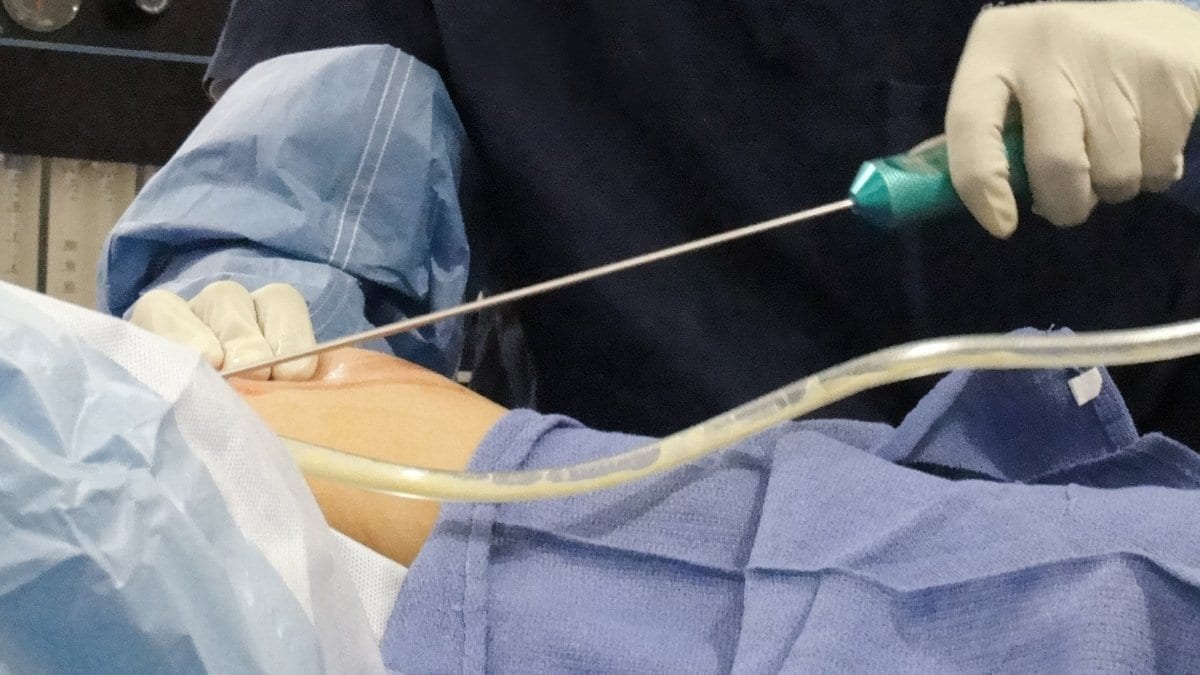
A multicenter randomized controlled trial has found that liposuction substantially reduced leg pain in women with lipoedema compared with the current standard of care, supplying the first large trial evidence for a surgery that has been offered for years without it.
Lipoedema is a chronic, painful buildup of fat beneath the skin that affects mostly women. Compression garments and manual lymph drainage, together known as conservative therapy, are the standard treatment but offer limited relief. Surgeons have performed liposuction for the condition for decades; this trial was designed to test whether it actually works better.
Maurizio Podda of Klinikum Darmstadt and Oliver A. Cornely of the University of Cologne and colleagues enrolled 410 women at 11 German centers, assigning them 2:1 to liposuction or continued conservative therapy. After 12 months, 190 of 278 liposuction patients (68%) met the primary endpoint of at least a 2-point reduction in self-reported leg pain on a 10-point scale. Ten of 132 patients in the conservative therapy group (8%), reached the same threshold, the paper reports.
Surgery also carried a higher rate of adverse events, meaning negative health effects reported by patients during the study. Adverse events occurred in 124 of 265 liposuction patients (47%), and 20 of those (8%) were rated serious. In the conservative therapy group, 30 of 145 patients (21%) reported adverse events, and five (3%) were serious, per the paper.
Patients' quality of life also improved more after surgery than with conservative treatment. A 36-month follow-up is ongoing. The paper's own interpretation describes liposuction as having "the potential to be a promising treatment option": a hedge, not a claim of established standard-of-care status. Funding was from Germany's Federal Joint Committee.
Sources
- The LancetPeer-reviewed
- clinicaltrials.gov

Medical Disclaimer: This content is provided for general informational and educational purposes only. It is not medical advice and should not be used as a substitute for professional medical advice, diagnosis, or treatment. Always consult a qualified healthcare professional regarding any medical condition, concern, symptom, or treatment decision.