Most of Europe's Wild Bee Species Are Found in Fewer Places Than a Century Ago
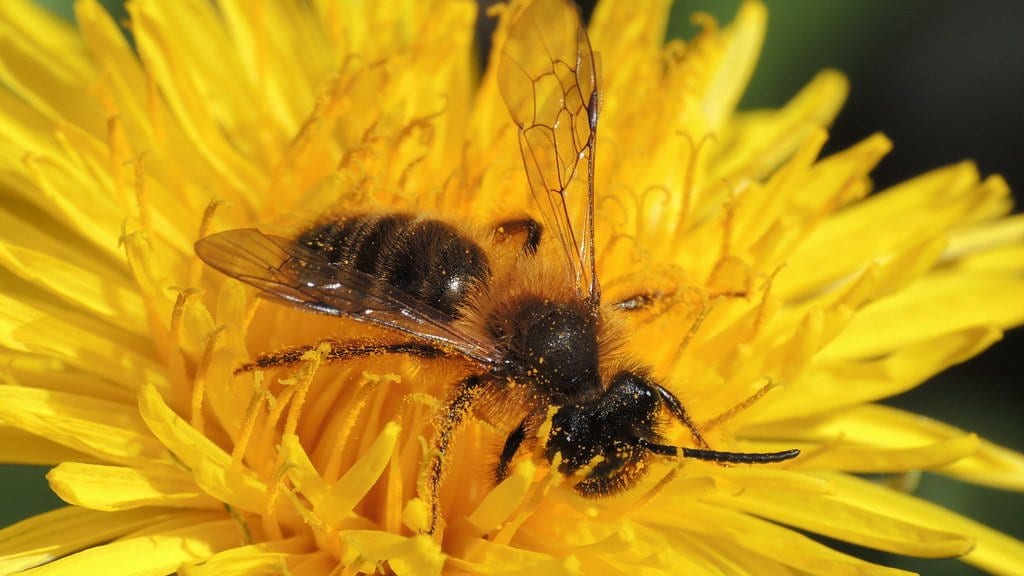
Most of Europe's wild bee species, and about half of its hoverfly species, are now found in fewer places than they were a century ago, a team of European ecologists reported Oct. 19, 2026, in Proceedings of the National Academy of Sciences.
The paper was written to fill a gap the authors name at the outset: long-term assessments of insect pollinator trends across a whole continent remain limited.
Carlos Martínez-Núñez and Ignasi Bartomeus of the Estación Biológica de Doñana (CSIC) in Spain, with colleagues at the University of Mons, the University of Novi Sad and France's CNRS, assembled a curated database of more than four million occurrence records covering 88% of the bee and hoverfly species still living in Europe. From it they measured three things over the past century: whether species persisted, how many species each region held, and occupancy, or how widely a species is spread.
The three measures did not agree. The authors report modern records for 87% of bee species and 89% of hoverfly species, so few have gone from the continent altogether. Regional species counts changed only modestly, falling in the Atlantic and Continental regions for both groups and rising recently in the Alpine region for bees. At the level of individual species, though, most bees and about half of hoverflies had declined in occupancy.
The team also tested whether species' traits predicted the declines, and reports that traits explained little of the variation. Cold-adapted bees showed a weak tendency toward steeper declines than warm-adapted ones. Some of the steepest-declining genera are parasites or specialist feeders, though the authors state that neither trait significantly predicted occupancy trends.
The paper cites a public Zenodo deposit of its analysis code, and PNAS published the article under a Creative Commons license, CC BY-NC-ND 4.0. The print version appears in the journal's Nov. 3, 2026, issue.
Sources
- Proceedings of the National Academy of SciencesPeer-reviewed