Quantinuum Reports Five Errors in a Million Operations on Its Helios Quantum Computer
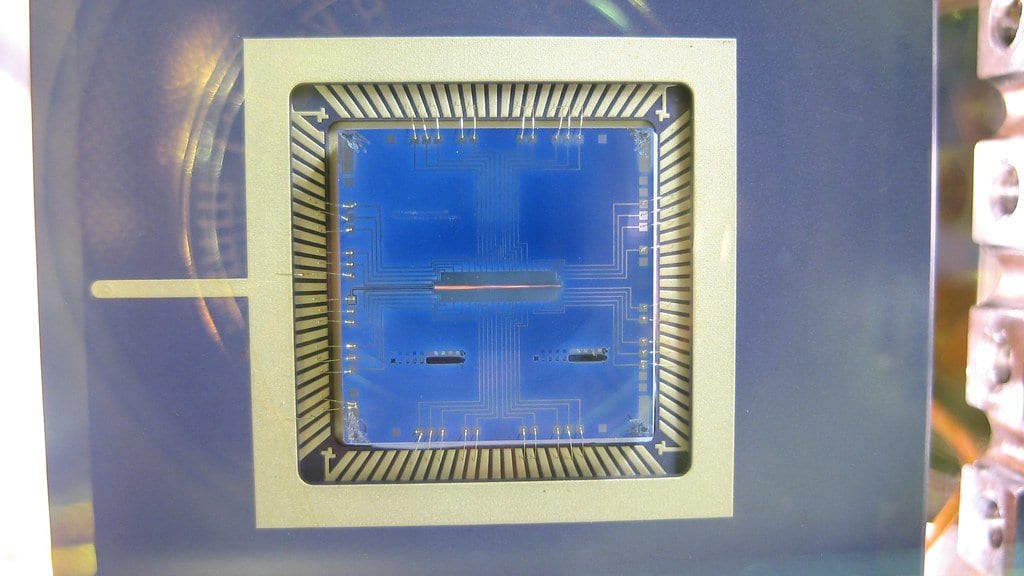
Quantinuum reported a quantum error-correction result on Oct. 19, 2026, saying it measured a logical fidelity of 99.9995% on Helios, the trapped-ion quantum computer it sells commercially. The company describes that as about five errors per million operations.
Error correction is what would let a quantum computer finish a long calculation without losing its answer, by spreading a unit of usable information across many error-prone physical qubits. Quantinuum says the measurement puts its hardware inside the accuracy range it is aiming at for Apollo, a general-purpose machine designed to keep computing correctly despite its own errors. The company expects Apollo to be available by 2029.
The release says the run used a color code, a standard family of error-correcting codes, and that protecting a single qubit of information took up to 37 physical qubits. In September 2026, the company ran a different code, Helix, on the same Helios hardware. That one needed 10 physical qubits per protected qubit, and Quantinuum says the color code produced the lower error rate. It also reports that errors fell exponentially as it increased the code distance, which sets how many physical qubits go into protecting the information. Quantinuum says each tested increase cut the remaining errors by a factor of 12.
Quantinuum calls the figure a world record. The measurement and the record claim are both the company's own, taken on its own machine. No independent group has published a check of either. The release points to a research write-up on Quantinuum's own site rather than to a journal paper.
The release also carries a comment from Robin Blume-Kohout, co-director of Sandia National Laboratories' Quantum Performance Lab, whom it describes as not involved in the work. "This is a significant milestone that quantum computing researchers have been working toward for many years," he said.