Two Experimental Eye Drugs Match the Standard Treatment for a Common Cause of Vision Loss

Kodiak Sciences said on Sept. 28 that both of the eye drugs it tested in the Phase 3 DAYBREAK trial met their primary endpoints in wet age-related macular degeneration. Each was non-inferior to aflibercept, the standard drug: the trial was built to show the new drugs were no worse on vision, not better.
Wet AMD blurs central vision when leaky blood vessels flood the retina, and the standard treatment is repeated injections into the eye. Kodiak says its drug stretches the gap between them. In the release it filed with the U.S. Securities and Exchange Commission, the company reports that 54% of patients taking Zenkuda reached six-month dosing by the end of the first year.
Patients in that arm were re-dosed whenever a scan showed any fluid in the retina, a rule Kodiak calls strict and says it resembles how retina specialists already treat patients. The other drug, tabirafusp alfa tedromer, also met its vision target and a secondary measure of the retina's condition, and Kodiak reports that both drugs' safety was consistent with aflibercept's established profile.
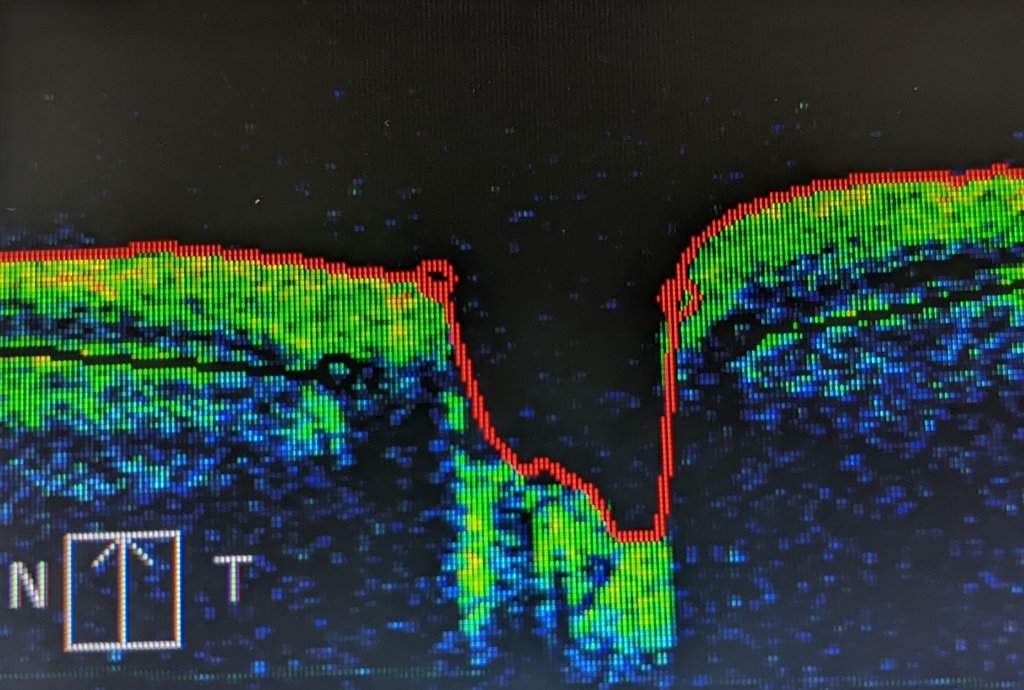
Kodiak credits the longer gaps to how long the drug lingers: an average of about 20 days in the eye, roughly three times that of approved therapies, on the company's own measurement. Both drugs are still experimental, and none of the DAYBREAK results has been published in a peer-reviewed journal. Kodiak says it plans to file for U.S. approval of Zenkuda in the fourth quarter of 2026, on five completed Phase 3 studies.
Another late-stage trial, ALTO, is enrolling patients, and in it the company is testing tabirafusp for something DAYBREAK did not claim: beating aflibercept outright, in people whose retinas swell because of diabetes.
Sources

Medical Disclaimer: This content is provided for general informational and educational purposes only. It is not medical advice and should not be used as a substitute for professional medical advice, diagnosis, or treatment. Always consult a qualified healthcare professional regarding any medical condition, concern, symptom, or treatment decision.