Nearly Every Virus in a Deep-Sea Mining Zone Is New to Science
Nature Communications published a catalog of the viruses living in the deep-sea sediment of the Clarion-Clipperton Fracture Zone on Sept. 29, 2026, and its authors report that more than 99% of the virus groups they recovered are absent from current reference databases.
Bowen Hou, Lilan Zhang and Dong Sun of Chongqing University and the Second Institute of Oceanography in Hangzhou offer the dataset as a pre-mining baseline for future environmental impact assessments. Their paper calls the zone the world's largest deep-sea mineral exploration region.
The authors sorted the recovered genomes by their shared proteins and by evolutionary relationship, and report extensive viral diversity in the sediment. Their inferred virus-host pairings span a broad range of bacteria and other single-celled microbes that drive the cycling of carbon, nitrogen, phosphorus, sulfur and metals. Because the viruses infect those microbes and carry genes that feed into a host's metabolism, they may change how a host survives an infection, with possible consequences for the chemistry of the seabed sediment. A separate analysis of gene exchange points to the potential for viruses to help their hosts cope with metal stress.
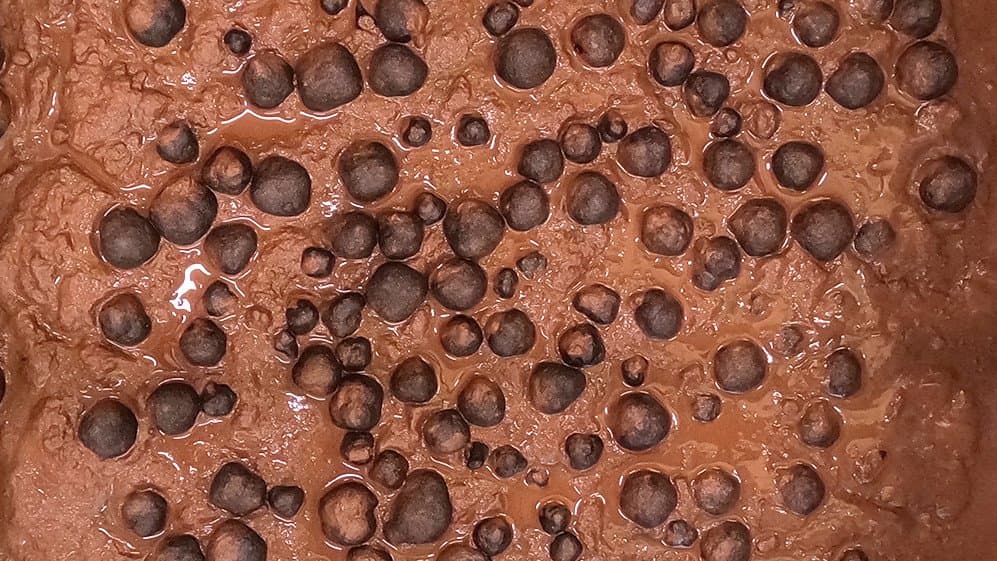
The Clarion-Clipperton Fracture Zone is a stretch of Pacific seabed strewn with polymetallic nodules, the metal-rich lumps that deep-sea mining is after. The zone is licensed for mineral exploration, and that is why the authors call their dataset pre-mining. The context sits outside the survey itself, which records what lives in the sediment now and measures no effect of mining.
The paper is open access, and Nature Communications published this accepted version ahead of the final version of record. The supplementary tables and the source data files are posted with it.
Sources
- Nature CommunicationsPeer-reviewed