A Century of Watching Two Nearby Suns Finds No Giant Planet
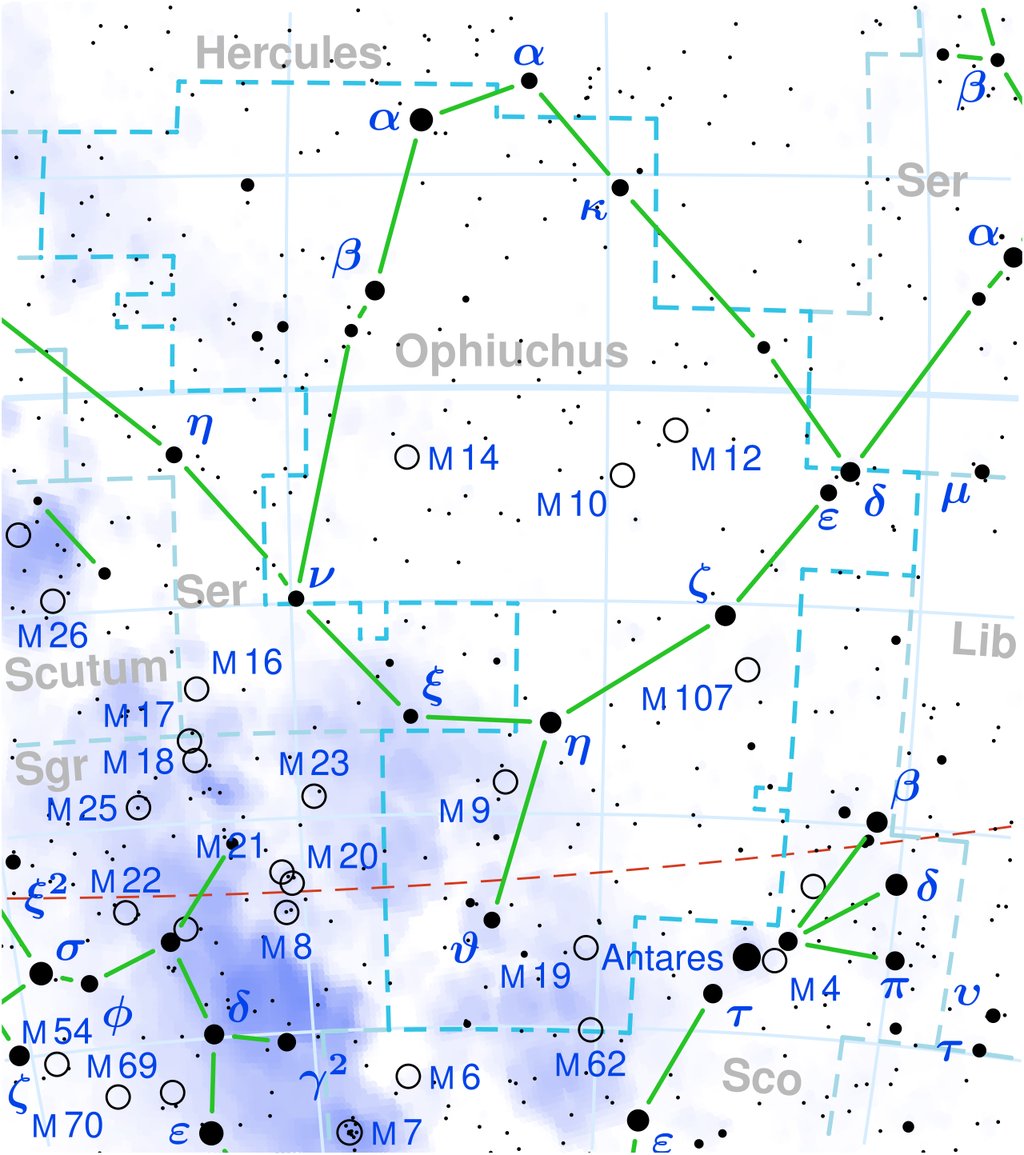
Astronomers have ruled out a giant planet around 70 Ophiuchi, a pair of Sun-like stars about 17 light-years away, after a century of watching them. A team led by Yiting Li of the University of Michigan reports no planetary signal from either star.
The work was published Sept. 29 in The Astrophysical Journal. Li, senior author Michael R. Meyer of the same university, and colleagues write that the pair is one of the most promising places for future missions to look for mature rocky worlds. Such a mission would photograph a planet directly, or track a star's position closely enough to see it shift as the planet tugs on it. The new limits are meant to guide where those searches point.
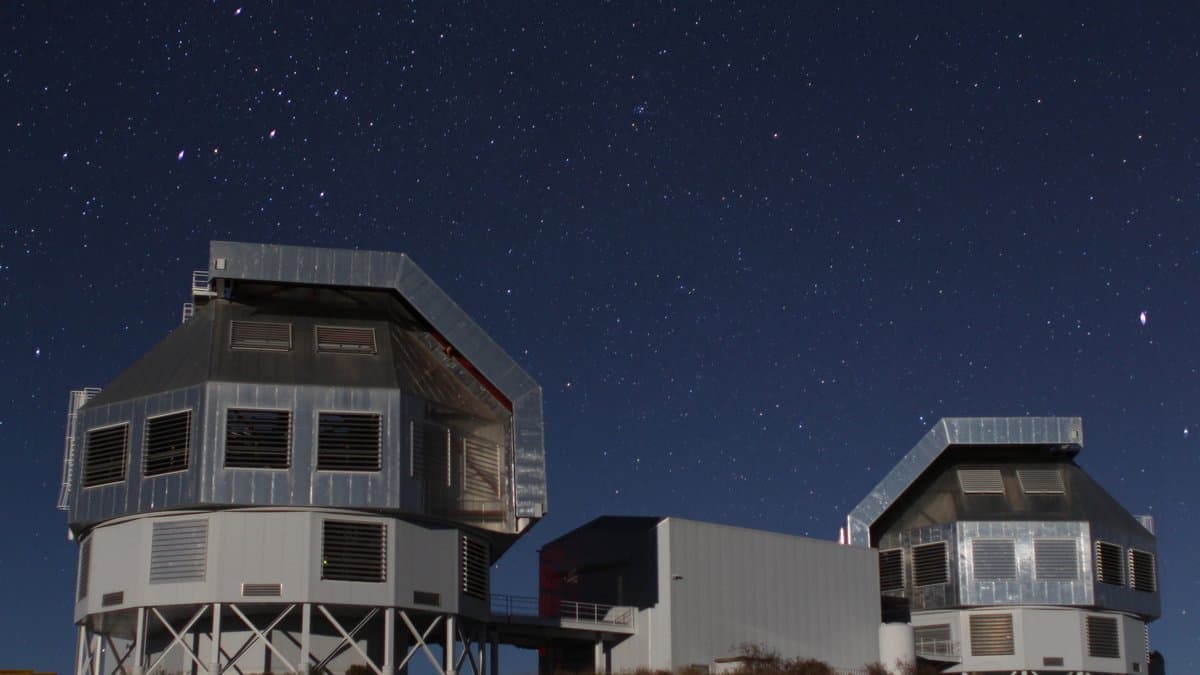
The team collected more than 800 new measurements of the two stars with the Planet Finder Spectrograph on the Magellan II Clay Telescope in Chile, then combined them with decades of archival observations. The slow changes in both stars match surface activity that keeps time with their rotation rather than an orbiting planet.
Across a 27-year record of the brighter star's motion, the measurements exclude Jupiter-mass planets closer in than five times the Earth-Sun distance.
What the work leaves room for is smaller. Stable orbits around the brighter star reach out to about 2.5 times the Earth-Sun distance, covering its habitable zone, the band where a planet could hold liquid water. Saturn-mass planets or smaller on stable orbits there are allowed, in the paper's word, and none has been detected.
Around the fainter companion, the new data rule out anything heavier than about a quarter of Jupiter's mass within half that distance.
Sources
- The Astrophysical JournalPeer-reviewed