Birds Born Elsewhere Explain When a Wild Population Evolves and When It Stalls
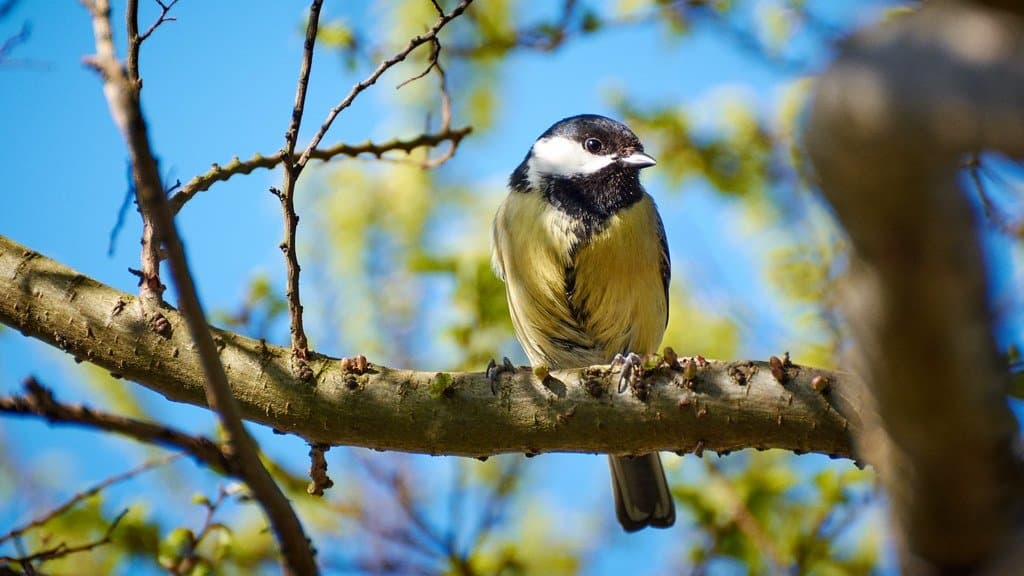
Great tits arriving from outside a population, rather than natural selection acting on the birds already there, explain when that population's genetics shifted and when it held still. Simon Evans and Erik Postma of the University of Exeter, with colleagues at the Netherlands Institute of Ecology, report the result from 44 years of nest records on a Dutch island.
Evolutionary stasis is the long-standing puzzle of a trait that stays put for decades even though selection should be pushing it one way. The authors argue that forecasts of how wild populations will evolve as their surroundings change have to include gene flow, the genes carried in by outsiders that settle and breed. A population can look unchanged from the outside while evolving underneath, because what the newcomers bring in cancels what selection does locally.
The study appeared on September 21 in PLOS Biology. It follows clutch size, the number of eggs a female lays in one nest, in two neighboring great tit populations at opposite ends of the Dutch island of Vlieland. Between 1996 and 2003 an artificial selection experiment deliberately reversed the genetic difference in clutch size between them.
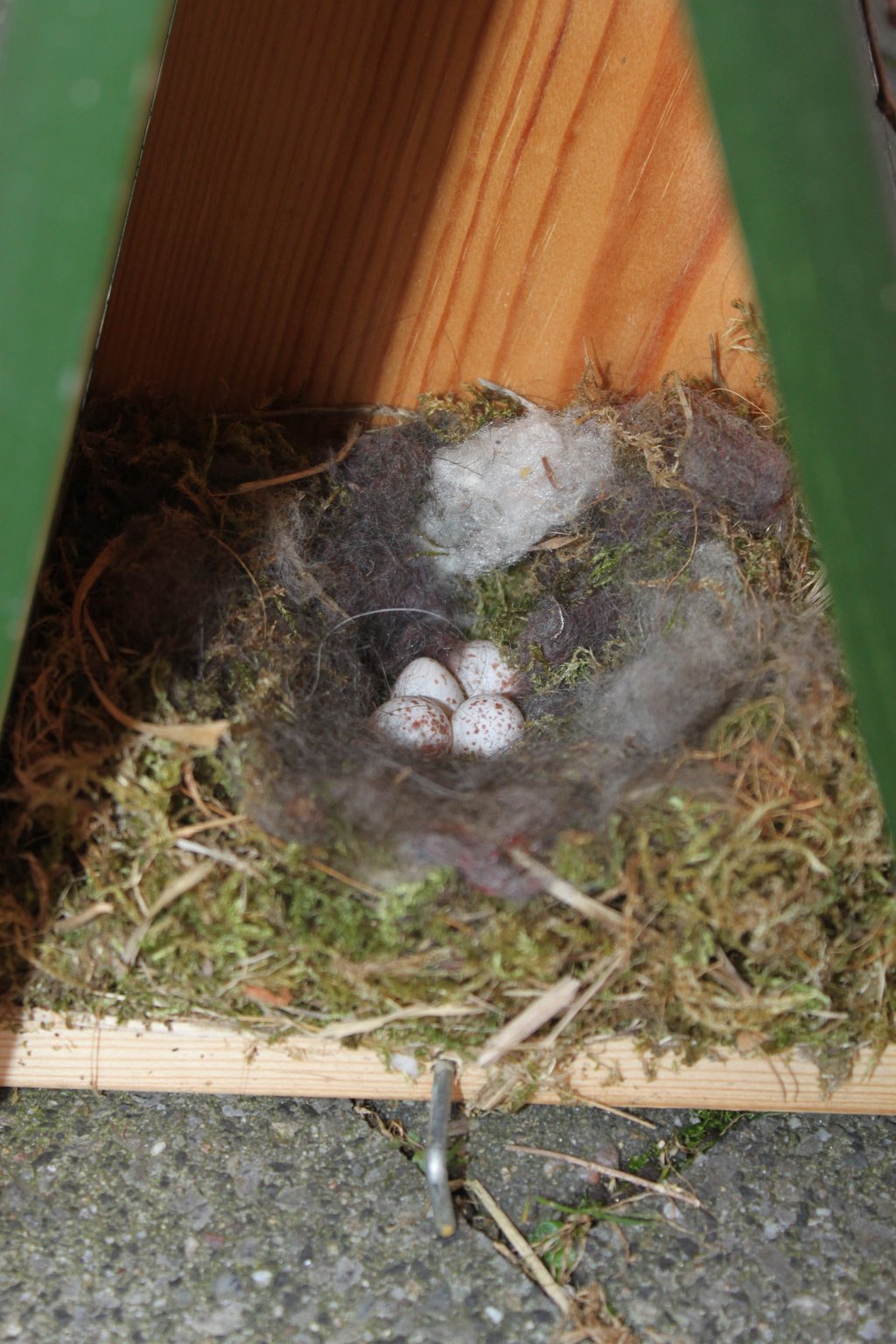
The authors report that year-to-year genetic change did move in the direction selection predicted, which rules out complete stasis, but was smaller than adaptive models forecast. On average, 3% of the selection measured in the population turned into genetic change, against the 11% expected from how strongly clutch size is inherited. Leaving newly arrived immigrants out of that calculation, and counting only birds hatched on the study site, made selection a better predictor.
Splitting each year's change between breeder deaths, local recruits and immigrant recruits, the authors found immigration often outweighed the change generated within the population itself. In the eastern population before the experiment, clutch size looked genetically static while local evolution toward smaller clutches was being offset by incoming birds pushing the other way.
The data, code and models behind the analysis are archived and openly available on Zenodo.