Bats Got as Sick as Rodents in 86 Years of Lab Infections
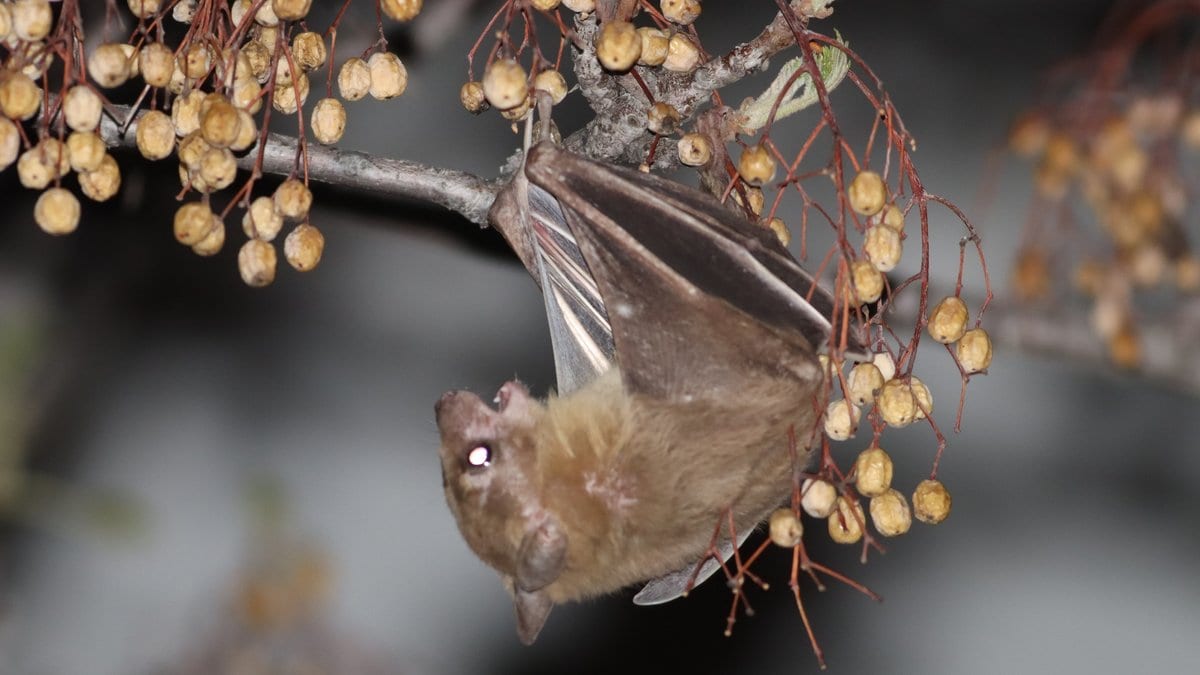
Bats infected with viruses in the laboratory got sick as often and as severely as rodents did, a team at the University of Glasgow reports after pooling 86 years of published infection experiments.
The belief that bats carry dangerous viruses without falling ill has driven a search for unusual defenses in their immune systems, in the hope of finding a drug that works against many viruses at once. Writing in PLOS Biology on Oct. 29, 2026, Maxwell J. Farrell, Daniel G. Streicker and two colleagues say that premise had never been formally tested.
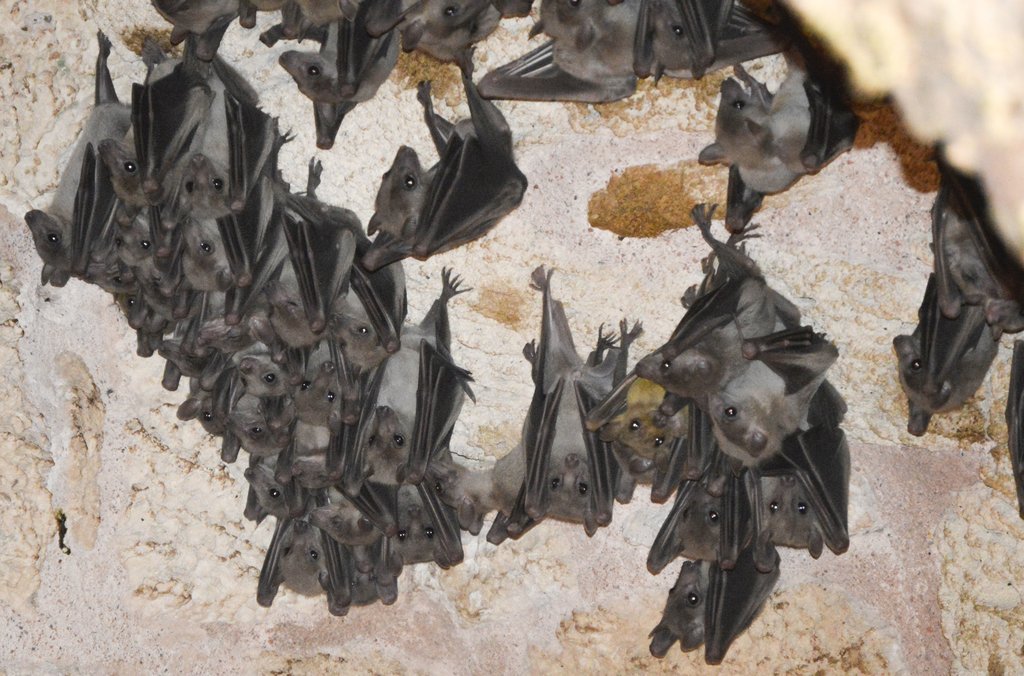
The dataset they assembled covers 54 viruses and more than 5,600 inoculated animals. Illness was not confined to a few odd pairings. Severe disease or death appears in bats given rabies-family viruses, tick-borne encephalitis virus, dengue virus and West Nile virus, among others.
Disease showed up in 73% of the bat and virus pairs in the collection and 48% of the rodent ones. Bat experiments tended to use more animals each, which can make illness easier to notice. The team therefore ran statistical models adjusting for the number of animals, the dose, the way the virus was given and the hosts' shared ancestry. In those models, host group made no difference to any of the three measures: whether disease appeared, how bad it got, and whether the animal died.
What shaped the outcome instead was the design of the experiment, the number of host species a virus can infect, and the evolutionary relationship between virus and host. The pattern held when the comparison was narrowed to viruses that circulate naturally in bats given to bats, and rodent viruses given to rodents.
The team calls the synthesis the first quantitative test of the idea. It does not rule out drugs derived from bat immunity, the authors write, but they read bat immune systems as shaped by ordinary co-evolution rather than by anything unique to bats. The data and analysis scripts are public, posted on GitHub and archived at Zenodo. The journal has posted the paper as an uncorrected proof.
Sources
- PLOS BiologyPeer-reviewed