FDA Approves Its First Treatment for a Rare Disorder That Traps Thyroid Hormone in the Blood

The U.S. Food and Drug Administration approved Emcitate, a once-daily liquid form of the drug tiratricol, on Sept. 28, 2026, the first therapy the agency has cleared for the rare inherited disease MCT8 deficiency.
The drug is approved for peripheral thyrotoxicosis, or excess thyroid hormone in the blood. In these patients it brings a rapid heart rate, raised blood pressure and metabolic effects. The FDA said that until this approval, patients and their families had no approved treatment option.
MCT8 deficiency, also known as Allan-Herndon-Dudley syndrome, is caused by a faulty gene for the MCT8 transporter, the protein that carries thyroid hormone into the brain. Without a working transporter, the brain receives too little of the hormone while too much builds up in the bloodstream. The disease mainly affects males. Many patients cannot walk or sit unaided and have absent or severely limited speech. The disease also brings intellectual disability, feeding difficulties and chronic strain on the heart and metabolism.
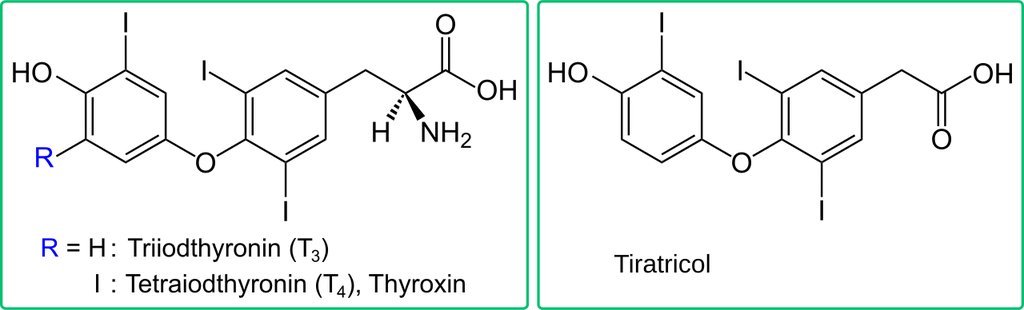
"The challenge in treating MCT8 deficiency has always been that the protein needed to deliver thyroid hormone into cells is the one that isn't working," said Hylton V. Joffe, an office director at the FDA's Center for Drug Evaluation and Research. He said tiratricol enters cells on its own without relying on the broken transporter, which lowers the elevated hormone level in the blood.
The FDA said it based the approval on two studies in patients ranging from infants to adults: an international randomized trial against placebo (NCT05579327) and a longer-term open-label study. In both, patients treated with Emcitate had lower excess thyroid hormone in the blood and improvements in thyroid-driven symptoms including systolic blood pressure and heart rate.
Patients who have difficulty swallowing can take the liquid through a feeding tube. The most common side effects were diarrhea, vomiting, rash and excessive sweating. The agency said Emcitate should not be used alongside another thyroid medication.
The approval went to Egetis Therapeutics US Inc. Emcitate carried orphan drug, rare pediatric disease, fast track and breakthrough therapy designations, and a priority review.
Sources

Medical Disclaimer: This content is provided for general informational and educational purposes only. It is not medical advice and should not be used as a substitute for professional medical advice, diagnosis, or treatment. Always consult a qualified healthcare professional regarding any medical condition, concern, symptom, or treatment decision.