Microbes Consume Most of the Methane in Africa's Lakes Before It Reaches the Air
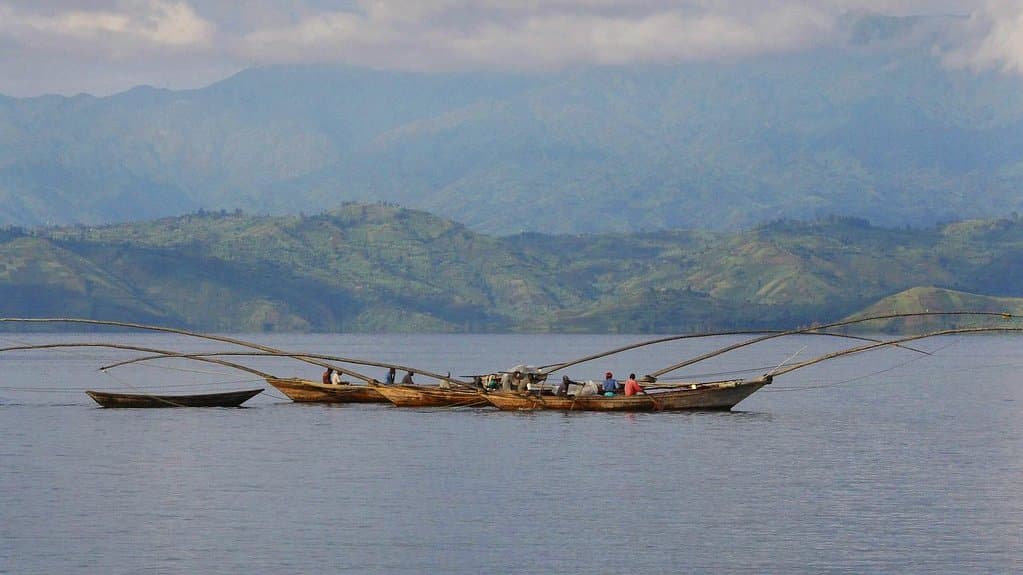
Microbes consume more than 70% of the methane dissolved in the surface water of African lakes, according to measurements across 79 of them published Sept. 29 in Nature Communications.
Lakes are large natural sources of methane, a potent greenhouse gas, and how much of it reaches the air depends on the balance between what is produced in the water and what is destroyed there. The paper measures the destruction side of that balance across an unusually large set of tropical lakes.
Alberto V. Borges of the University of Liège, Steven Bouillon of KU Leuven and colleagues report that the bacterial consumption of methane, known as oxidation, is the largest sink of the dissolved gas in the surface layer. Oxidation removes more than 70% of it, measured against the amount that seeps out into the air. It is strongest in the most productive lakes, where they presume methane-eating bacteria live attached to floating algae, and in lakes draining the wetlands of the Congo Basin, where they attribute the effect to bacteria washing in from flooded forest soils.
They also weighed oxidation against methane that photosynthesis is thought to produce in oxygen-rich water, estimated from figures already in the published literature. That source amounted to a small fraction both of the methane oxidized and of the methane emitted, and its share fell as lakes grew more productive and their emissions grew stronger. Based on the available evidence, they note that a rise in such production driven by nutrient enrichment could be offset by a stronger rise in oxidation.
The survey was funded by the Belgian Federal Science Policy Office and the Fonds National de la Recherche Scientifique, and its authors include researchers at fisheries and higher-education institutes in Uganda, Tanzania and the Democratic Republic of the Congo.
Sources
- Nature CommunicationsPeer-reviewed