Endometriosis Gene Study Looks Beyond European Ancestry and Finds 27 New Regions
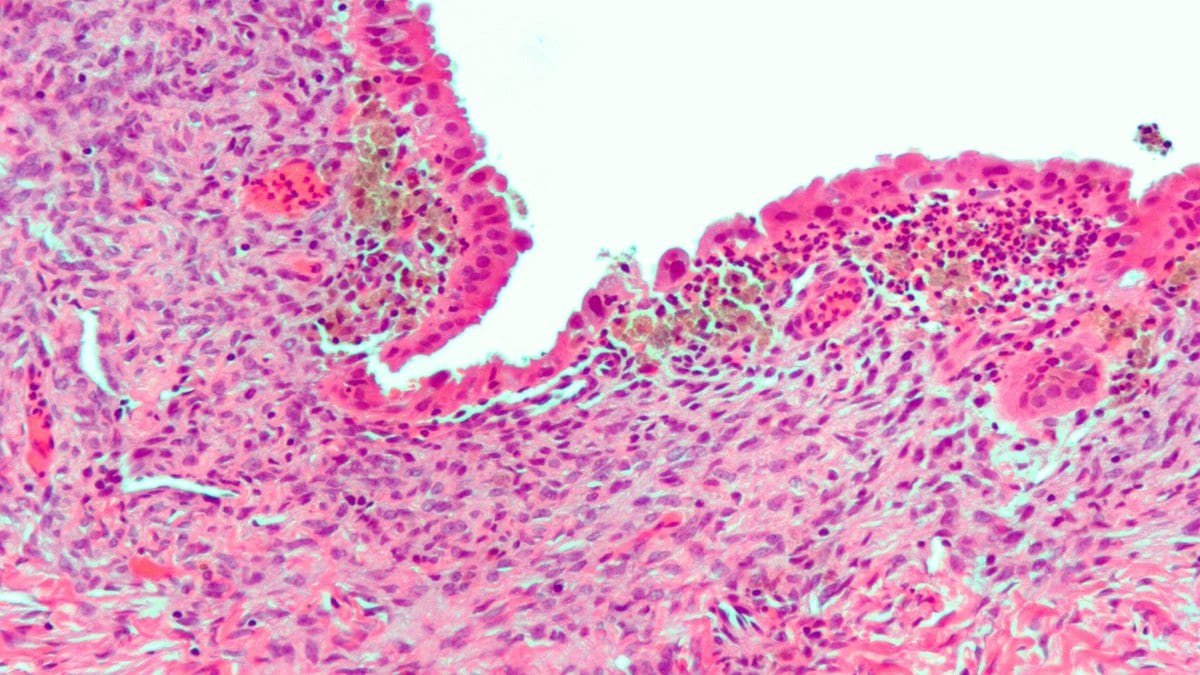
A genome study of more than 1 million participants, 32% of them of non-European ancestry, has linked endometriosis to 58 regions of the genome, 27 of them previously unreported. Lindsay A. Guare, Shefali Setia-Verma and colleagues at the University of Pennsylvania published the analysis Nov. 20, 2026, in Nature Genetics.
The authors describe endometriosis, in which tissue like the lining of the uterus grows outside it, as an incurable condition that affects up to one in ten women and leaves patients with severe pain and fertility problems. They note that earlier genome-wide studies of the condition drew almost entirely on participants of European ancestry, with some East Asian participants, and included no African, South Asian or mixed-ancestry American populations.
The study pooled 14 datasets through the Global Biobank Meta-analysis Initiative, among them the Penn Medicine Biobank, the All of Us research program, the Million Veteran Program and published results from Finland's FinnGen. Cases came from hospital records, and the strictest definitions required a surgical or imaging procedure to confirm the diagnosis. Several of the associated regions showed up only in participants of African or mixed American ancestry — the variants driving them are rare elsewhere.
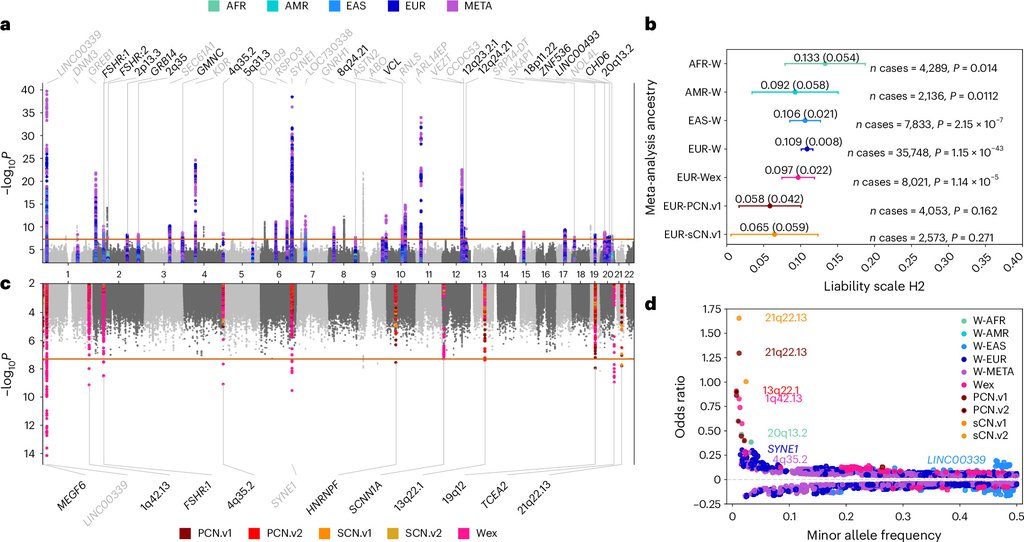
Adding data on gene activity and proteins to the genetic signals, the team implicates 314 genes in total and says those point to multiple possible targets for treatment. Common inherited variants explained more of the risk of the disease here than in earlier, mostly European work, a difference they attribute to the size and diversity of the pooled group. The analysis also found genetic signals shared between the condition and dozens of other traits, among them insomnia, headache and prescriptions for antidepressants.
They also report a possible sign of unequal diagnosis: participants of European ancestry had the highest rate of diagnosis under the broadest case definition and the lowest under the strictest, surgery-confirmed one. They say that pattern may mean patients of European ancestry are recommended for surgical care more often.
Sources
- Nature GeneticsPeer-reviewed