In Bacteria and Yeast, a Gene's Importance Does Not Protect It From Mutation
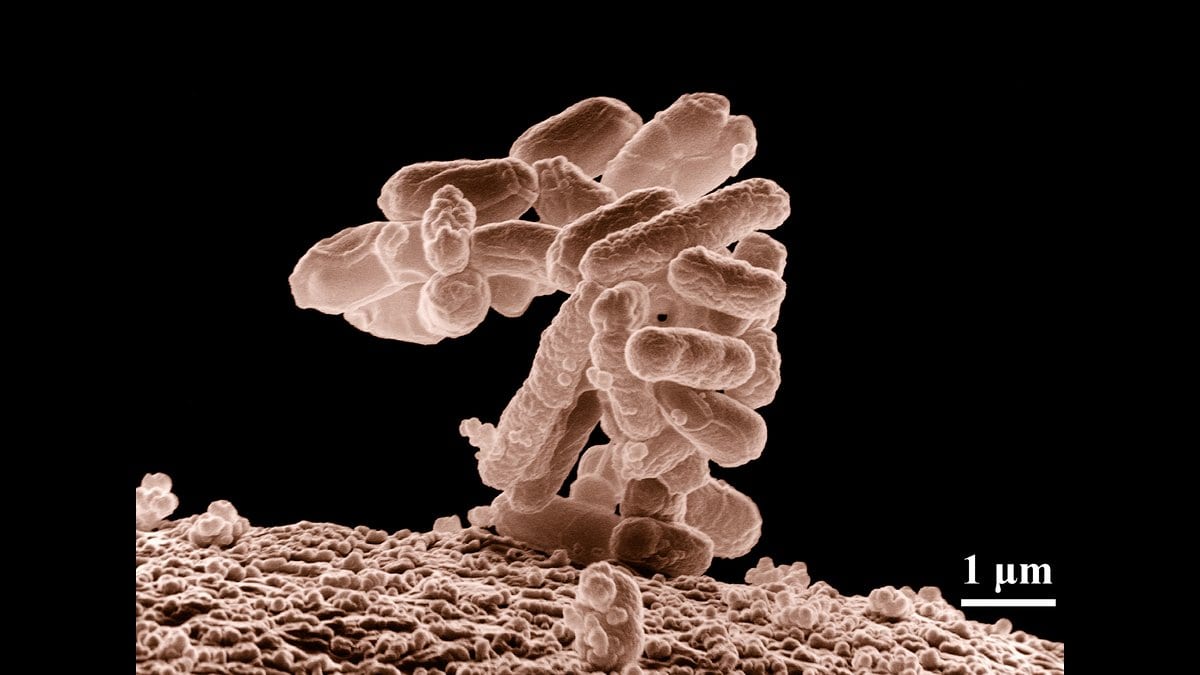
How important a gene is to the cell does not predict how often it mutates, two researchers at the University of Bath report. Genes the cell cannot do without, and genes that make the most protein, mutated no less often than any other gene in the bacterium Escherichia coli or in baker's yeast.
The idea they tested dates to 1972: that natural selection holds down the mutation rate of a cell's most important genes, so fewer damaging errors land in them. The paper, published Nov. 12, 2026, in PLOS Biology, notes that such claims are usually offered as evidence that evolutionary theory is wrong to treat mutation as undirected. Sofia Radrizzani and Laurence D. Hurst conclude that the trends they found present no challenge to that convention.
Their analysis pooled more than 3,500 well-resolved mutations from normal E. coli lines, rather than the repair-deficient strains many earlier reanalyses used, and repeated the tests in yeast. The pair controlled for gene length, base composition, chromosome position and how much RNA each gene makes. In E. coli, there was also no difference between genes on the two DNA strands, which the cell copies by different routes.
The paper contrasts those results with the original claims. A report in the plant Arabidopsis had put essential genes' mutation rate at up to half that of other genes; the Bath pair measure about 3.5% in E. coli, no stronger than chance in their simulations. A strand difference once described as 2.5-fold comes out near 4%, in the opposite direction. Radrizzani and Hurst write that, as explanations of why genes differ, "the effect sizes are so small as to appear biologically irrelevant."
One predictor survived in E. coli: more heavily transcribed genes carry slightly fewer mutations, an effect explaining less than 0.5% of the variation, and in yeast the trend runs weakly the other way. The pair also report that the standard statistic used for such tests makes long genes look more mutable than they are, an artifact of the many short genes with no mutations. Their scripts and data are posted on Zenodo.
Sources
- PLOS BiologyPeer-reviewed