Designed From Scratch, New Enzymes Cut Proteins Inside Living Cells
Researchers at the University of Washington's Institute for Protein Design have designed protein-cutting enzymes from scratch, and report that 13 of the 69 designs work, including inside living mammalian cells. The paper was published Oct. 14, 2026, in Nature.
The authors say designed proteases that work inside cells open the door to a wide range of uses in synthetic biology, which builds new functions into living cells. Peptide bonds, the links that hold a protein's amino acids in a chain, survive for hundreds of years in neutral water. The paper notes that enzyme design from scratch had until now been largely limited to reactions with much lower energy barriers.
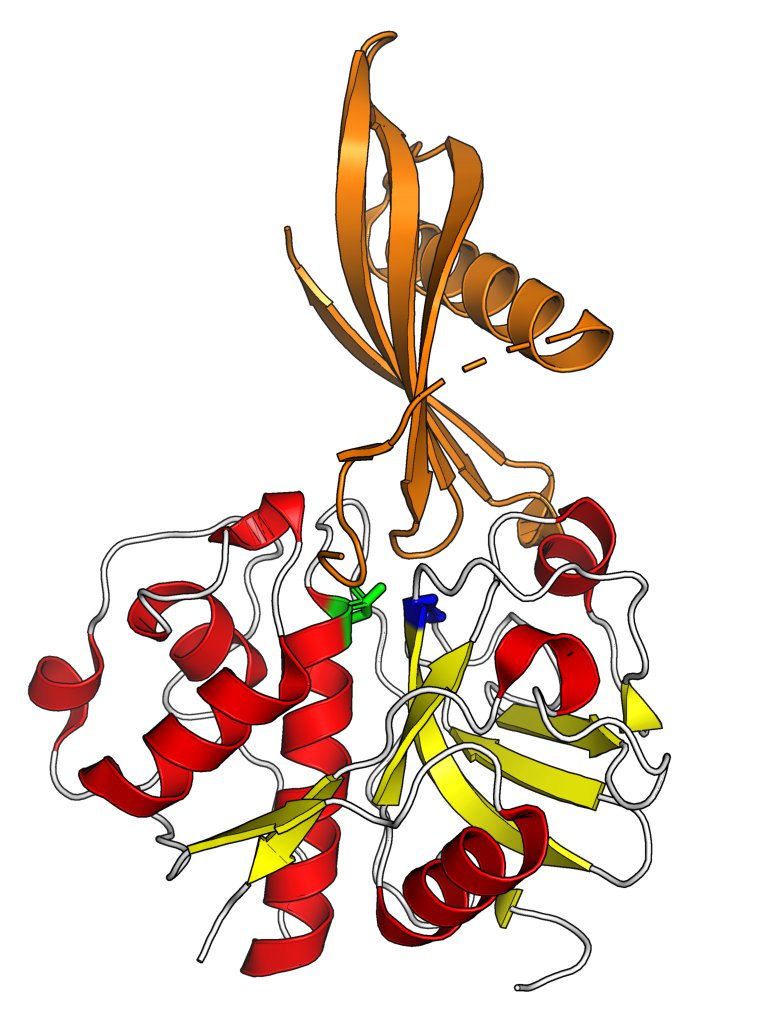
For its best designs, the team reports rate enhancements of up to 3 x 10^7, roughly 30-million-fold. That ratio is measured against the background reaction, the same cut proceeding on its own in solution, and not against any natural enzyme. The authors attribute the remaining gap in activity between their designs and the most active natural cysteine proteases to imperfections in the way the reactive pocket is arranged and the way the target sits in it.
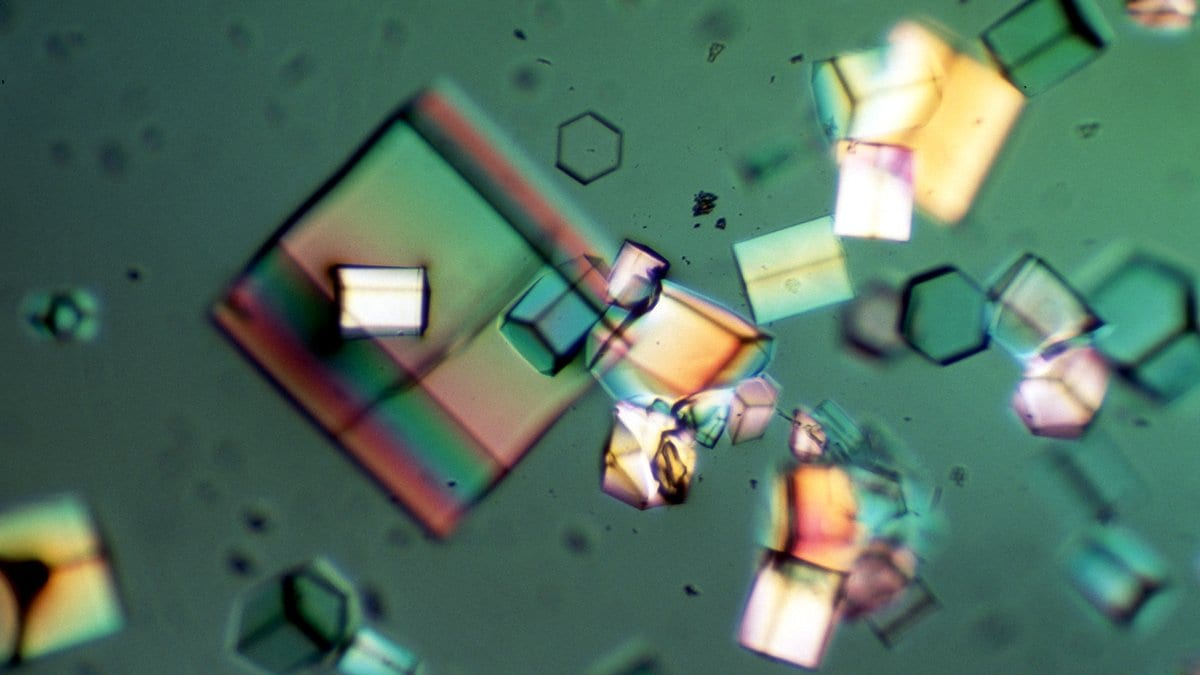
The designs use an activated cysteine, a sulfur-bearing amino acid, as the reactive part that breaks the bond. Their folds are very different from those of proteases in nature, and six X-ray crystal structures of the designed enzymes came out very close to the models they were built from.
Coordinates for the structures are deposited in the Protein Data Bank, and the design and analysis code is posted on GitHub. The work was funded by the Howard Hughes Medical Institute, the Gates Foundation, the Defense Threat Reduction Agency and the US National Institutes of Health, among others.
Sources
- NaturePeer-reviewed