Chemical Tags Switched off the Hepatitis B Virus in Mice
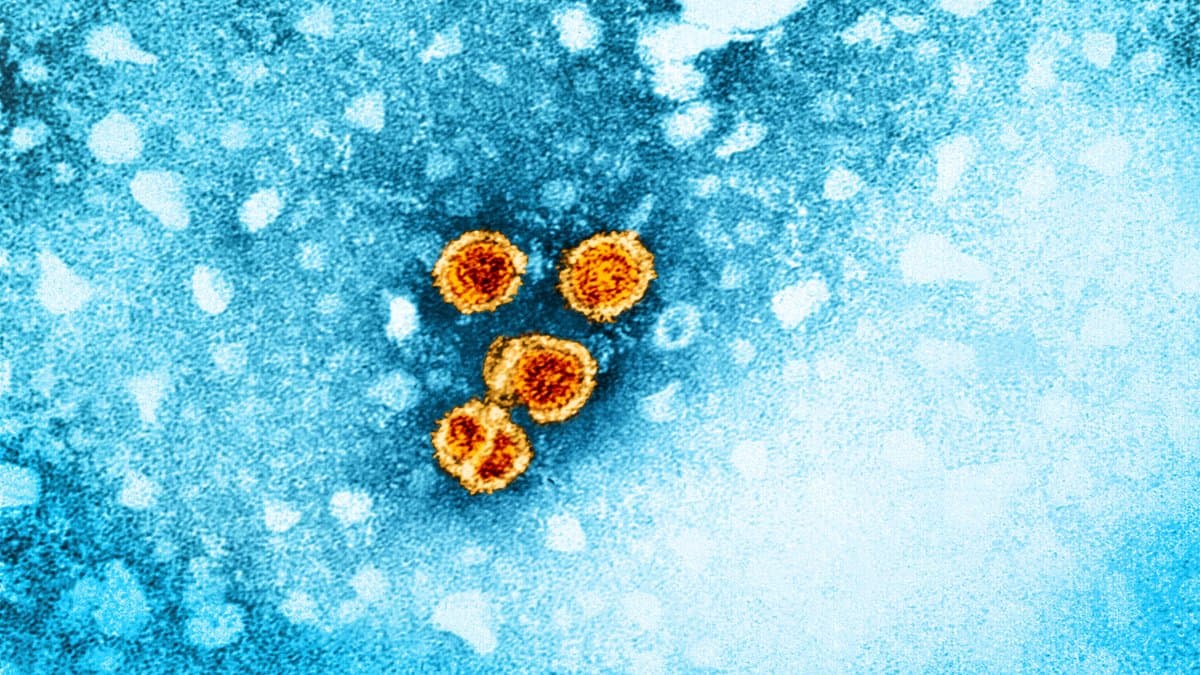
An experimental therapy switched the hepatitis B virus off inside the liver cells of mice, and three monthly doses left up to 90% of treated animals with no detectable virus six months later. The work was done in mice and monkeys. The paper reports no results in people.
The therapy, CRMA-1001, is meant to replace lifelong daily pills with a short course of treatment. Writing in Nature Biomedical Engineering on September 21, the authors say the drugs used first against chronic hepatitis B hold the virus down but rarely clear it, so most patients stay on them indefinitely and risk a rebound if they stop. Chronic hepatitis B affects about 250 million people worldwide.
Instead of cutting viral DNA, CRMA-1001 adds chemical markers called methyl tags to it. The tags switch the virus's genes off while leaving the sequence itself intact, an approach known as epigenetic silencing. Anglero-Rodriguez and colleagues report that a single dose cut viral markers in the blood of mice by more than a thousandfold. Three doses given a month apart pushed both the virus's surface protein and its DNA below the level the tests could measure.
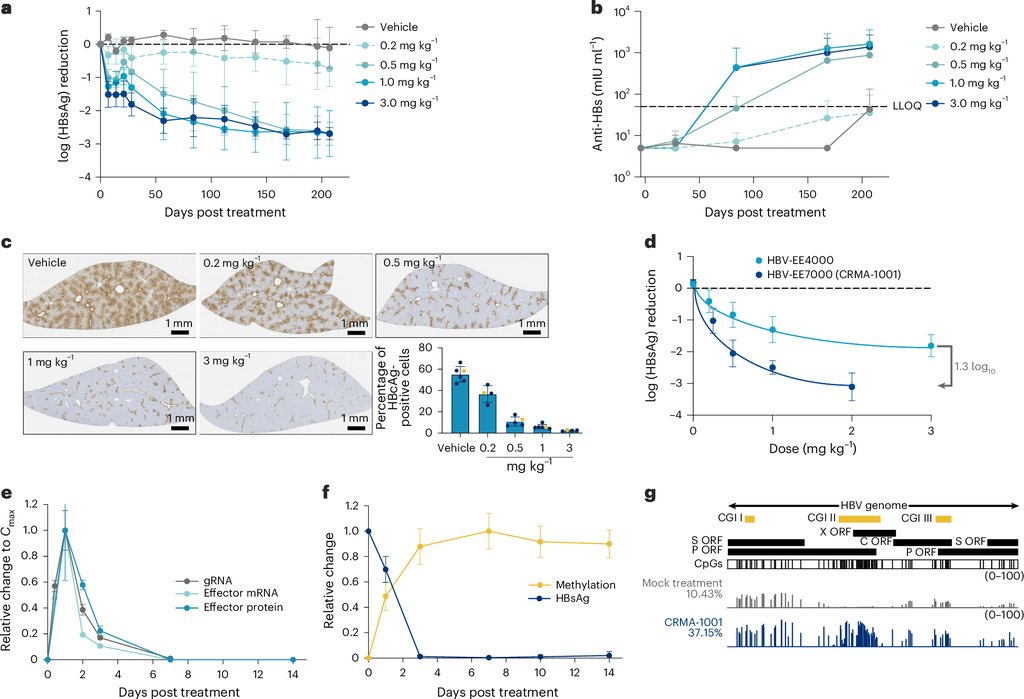
In monkeys, brief rises in liver enzymes appeared only at the highest dose tested. Profiling treated human cells turned up no detectable unintended targets in the human genome.
The paper stops short of calling this a cure: the authors write only that the findings support starting clinical development of CRMA-1001 as a finite course of treatment. Nature's news team reported that nChroma Bio, the Boston company behind the therapy, has begun a trial in Hong Kong and New Zealand, and that the first participant was dosed in January.
Sources

Medical Disclaimer: This content is provided for general informational and educational purposes only. It is not medical advice and should not be used as a substitute for professional medical advice, diagnosis, or treatment. Always consult a qualified healthcare professional regarding any medical condition or treatment decision.