Lower Cholesterol on Statins Came With Fewer Heart Attacks, Not More Deaths
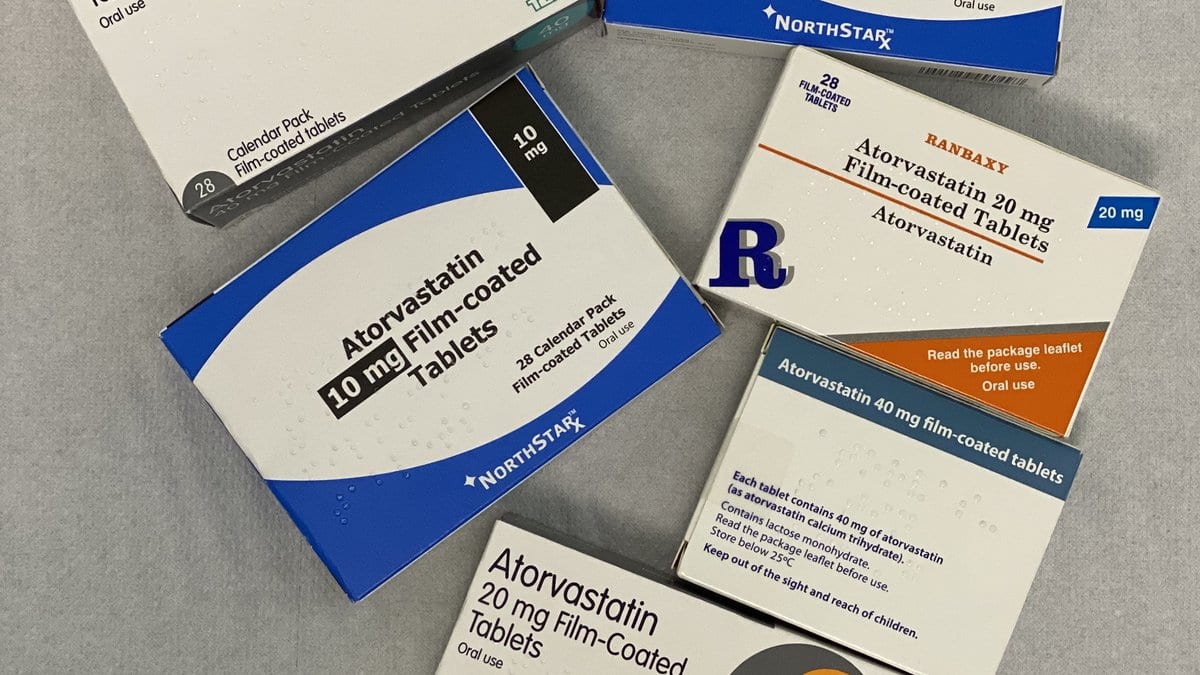
People who reached lower cholesterol in the two years after starting a statin had fewer heart attacks and strokes than those whose levels stayed higher, with no clear rise in deaths at the lowest levels. That is the finding of a study of 185,237 patients in Hong Kong, New Zealand and the United Kingdom, published Nov. 3, 2026, in PLOS Medicine.
The paper says the question was open: the trial evidence behind guideline cholesterol targets came mostly from patients who already had heart disease, and earlier studies of patient records had linked very low cholesterol to a higher risk of death. This cohort instead covers people taking statins to prevent a first heart attack or stroke.
Joseph Edgar Blais of the University of Hong Kong, Ralph Kwame Akyea of the University of Nottingham, senior author Jeff Harrison of the University of Auckland and colleagues used electronic health records to follow patients who started statins between 2007 and 2012, with follow-up to 2017. They tracked LDL cholesterol, often called bad cholesterol, and the wider non-HDL measure. Compared with patients at 2.6 mmol/L of LDL or above at the two-year mark, those at 1.8–2.5 mmol/L had about 20% fewer events on the study's main outcome, which combined coronary heart disease, stroke and cardiovascular death. These are associations in patient records, not the result of a trial.
At the very lowest levels, LDL cholesterol below 1.4 mmol/L, the authors found no association with death from any cause once other patient factors were accounted for, though they call those estimates imprecise and inconsistent between the three cohorts. The limitations they list include that difference and confounding by indication, where more intensive treatment followed a patient's higher risk.
The authors conclude that further reductions in cardiovascular events could be obtained by reaching the non-HDL level guidelines recommend, below 3.4 mmol/L, within two years of starting a statin.
The work was funded by a Universitas 21 Graduate Collaborative Research Award. The paper's declarations list one co-author employed by GSK and several authors with payments from drug companies outside this work.
Sources
- PLOS MedicinePeer-reviewed

Medical Disclaimer: This content is provided for general informational and educational purposes only. It is not medical advice and should not be used as a substitute for professional medical advice, diagnosis, or treatment. Always consult a qualified healthcare professional regarding any medical condition, concern, symptom, or treatment decision.